Catalytic vs Non-Catalytic Wood Stove: Which Is Better?
By Chimney Insight Editorial Team
Posted on October 5, 2026
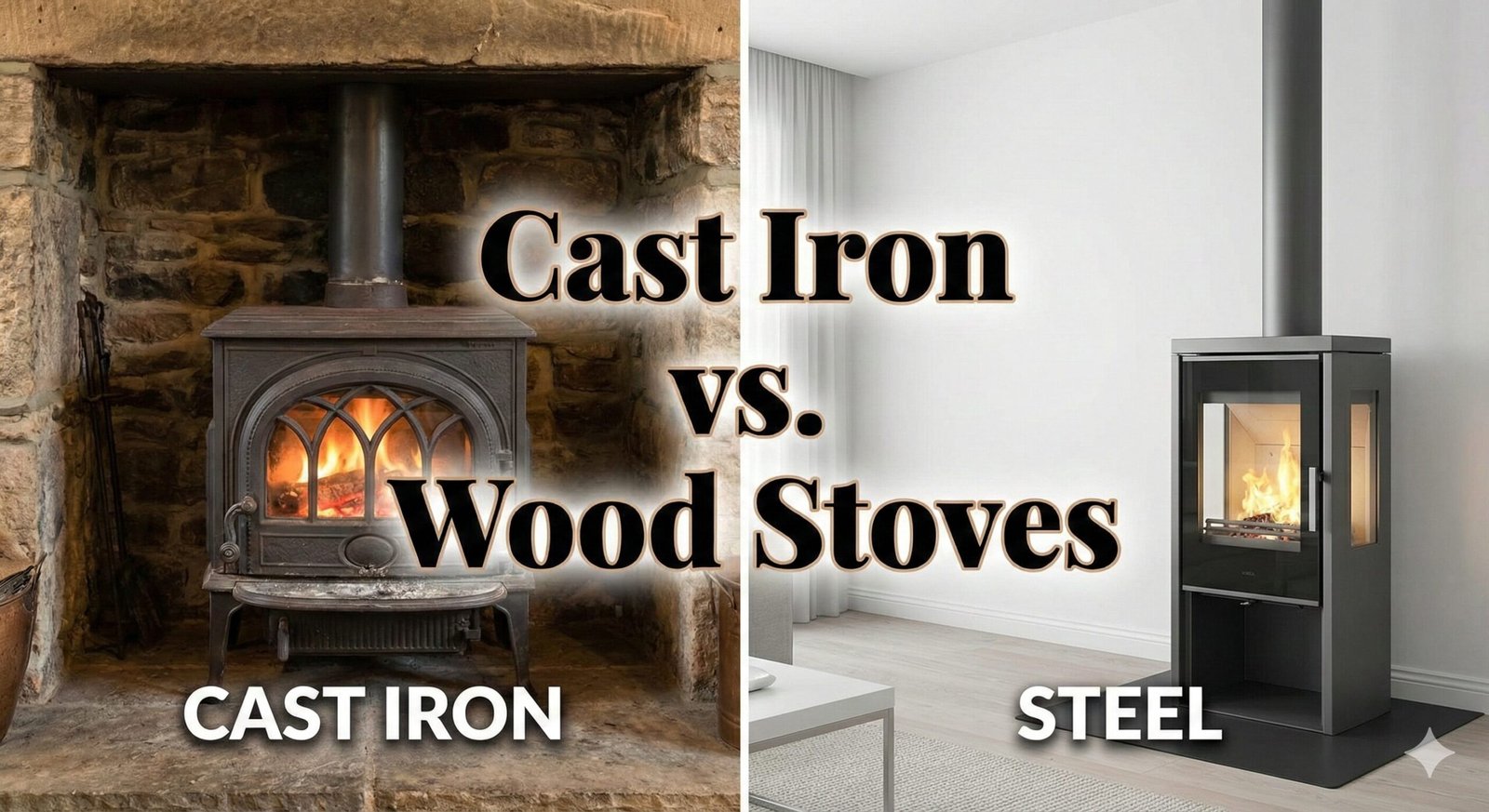
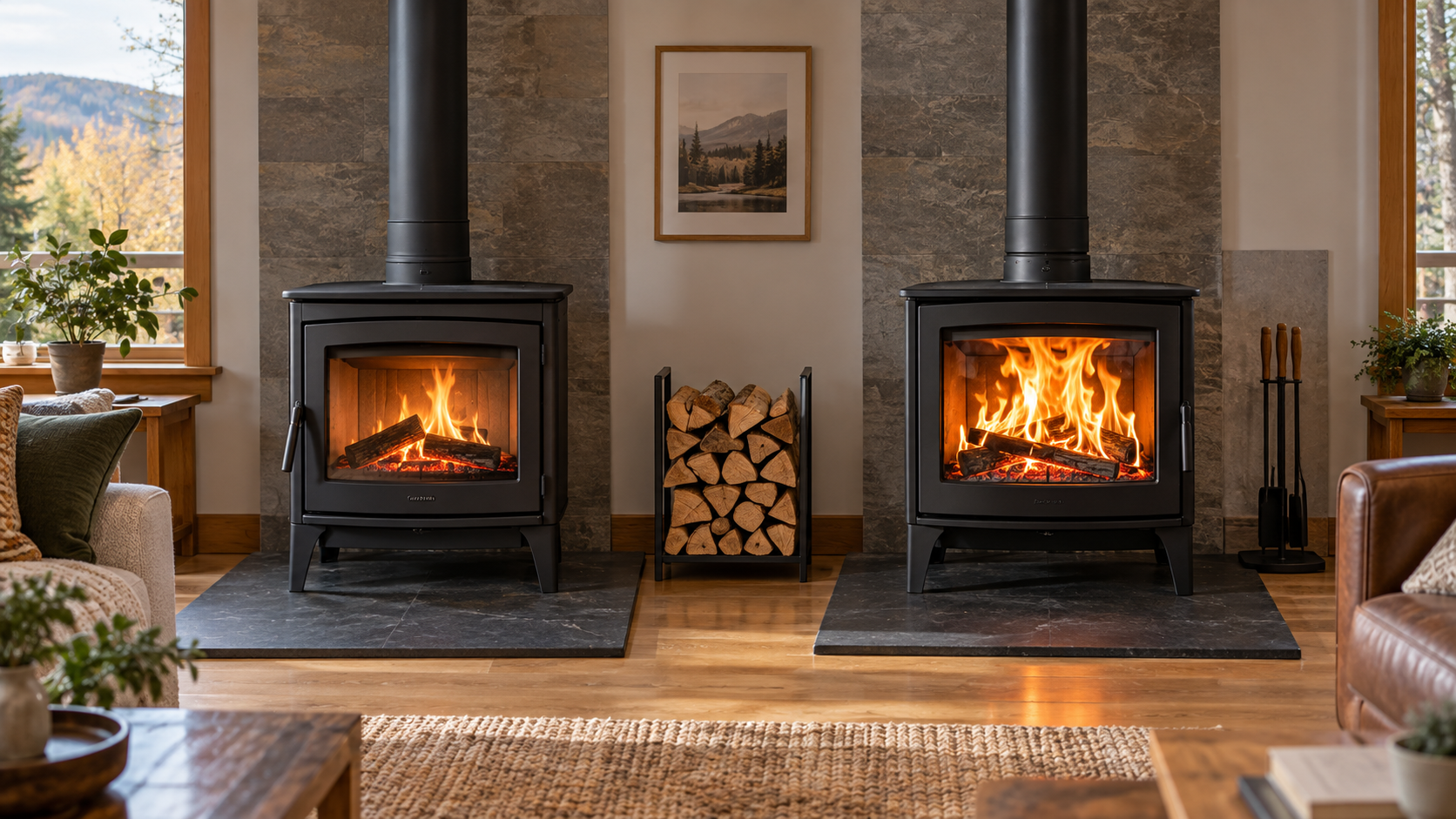
For most homeowners, the choice between a catalytic and non-catalytic wood stove comes down to heat pattern and operating style—not a simple good-versus-bad verdict. A catalytic stove is often the better fit when you want long, steady, lower-output burns and are willing to manage a catalyst and bypass control. A non-catalytic stove is usually easier to operate, produces a more active flame, and avoids catalyst replacement, but its heat output can rise and fall more noticeably through the burn cycle.
Both designs can meet current U.S. emissions requirements. The smarter comparison is between specific EPA-certified models that fit your home, chimney, climate, and daily routine. This guide explains how the two combustion systems work, what ownership feels like, which specifications deserve attention, and when each design makes more sense.
Catalytic vs Non-Catalytic Wood Stove at a Glance
| Decision factor | Catalytic wood stove | Non-catalytic wood stove |
|---|---|---|
| Combustion method | Smoke passes through a coated catalyst that helps burn remaining gases and particles | Insulated firebox, baffle, and preheated secondary air support additional combustion |
| Typical heat character | Long, even output; well suited to steady heating | More pronounced peaks and a livelier visible flame |
| Operator involvement | Requires correct bypass and catalyst engagement | Simpler controls for many first-time owners |
| Wear components | Catalyst eventually needs inspection and replacement | Baffle, tubes, and other high-heat internal parts can deteriorate |
| Fuel sensitivity | Poor fuel and improper operation can damage or contaminate the catalyst | Still requires dry, approved firewood for clean performance |
| Best fit | Frequent heating, long burn preference, and attentive owners | Simpler operation, intermittent fires, and visible flame appeal |
This table describes common tendencies, not promises. Firebox size, tested overall efficiency, control range, chimney draft, fuel quality, and the home’s heat loss can matter more than the combustion label alone.
How a Catalytic Wood Stove Works
A catalytic stove routes smoky exhaust through a coated ceramic or metal honeycomb. Once the stove and catalyst reach the operating conditions specified by the manufacturer, the user closes a bypass damper so the exhaust passes through the catalyst. The catalyst helps remaining smoke gases and particles ignite before they enter the chimney.
This design can support a long, controlled burn with relatively even heat. That is useful in a well-insulated home where a sharp heat spike would make the room uncomfortable. It can also appeal to owners who depend on the stove for sustained heating rather than occasional ambiance.
The tradeoff is an extra operating step and another component to maintain. The bypass must be open during cold starts and normally during reloading, then closed at the correct time according to the manual. Engaging the catalyst too early, overfiring the stove, burning prohibited material, or neglecting cleaning can shorten its life. EPA guidance notes that a properly used catalyst can last more than six heating seasons, while misuse and poor maintenance can reduce that life substantially.
How a Non-Catalytic Wood Stove Works
A non-catalytic stove does not send exhaust through a catalyst. Instead, it uses an insulated firebox, a baffle that lengthens the hot gas path, and preheated secondary air introduced above the fire. When temperatures and airflow are right, gases released by the wood burn above the logs, often creating the rolling flame pattern people associate with modern secondary combustion.
Many homeowners find this system easier to understand. You still have to build a hot fire, manage the air control, reload correctly, and avoid smoldering, but there is no catalyst bypass sequence. The stronger visible flame can also be a major part of the appeal.
“No catalyst” does not mean “no maintenance.” Baffles, secondary-air tubes, firebrick, door gaskets, and other internal components experience high heat and may need service or replacement. A non-catalytic stove also performs poorly when it is oversized, underfired, connected to a weak chimney, or fed wet wood.
Which Type Is More Efficient?
Do not choose by a generic claim that one technology is always more efficient. Compare the tested overall efficiency of the exact models on your shortlist. EPA explains that overall efficiency measures how much fuel energy reaches the room, while combustion efficiency only describes how completely the fuel burns. Marketing may highlight the higher combustion number, so verify which metric you are reading.
A catalytic design can be especially effective at maintaining combustion during a long, lower-output burn. A well-designed non-catalytic model can also deliver strong measured efficiency and clean combustion when operated within its intended range. Installation and behavior matter: dry fuel, correct sizing, adequate draft, and a hot, non-smoldering fire all affect real-world results.
When comparing labels or the EPA certified-heater database, record these items for each model:
- Overall measured efficiency—not an unlabeled headline percentage
- Certified emissions rate and current certification status
- Firebox size and the manufacturer’s intended heating range
- Minimum and maximum heat-output information, when documented
- Required chimney diameter, height, and configuration
- Clearances and approved floor or wall protection
- Warranty coverage for the catalyst and other internal components
Heat Output and Burn Style
Choose steady output for a tightly insulated space
If your home retains heat well, the ability to hold a lower, steadier output may be more valuable than maximum firebox size. A catalytic stove often has an advantage in this use pattern. The goal is to maintain comfort without repeatedly overheating the room and then letting it cool.
Choose active flames for shorter heating sessions
A non-catalytic stove often suits evening or weekend fires where you want a quicker, visibly active burn. It can be easier for a new owner to understand because the relationship between fuel, air control, and flame is more direct. However, exact performance depends on the model; do not assume every non-catalytic stove heats up faster.
Do not solve sizing problems with combustion technology
An oversized stove may be run too cool because full output makes the room uncomfortable. That can produce dirty combustion and deposits regardless of design. An undersized stove may be pushed too hard. Have the appliance sized to the area it will actually heat, the home’s insulation and layout, and local winter conditions. If you are comparing a stove with other heating formats, start with our wood stove versus fireplace heating guide.
Maintenance and Ownership Costs
A catalytic stove adds the catalyst to the ownership plan. It should be inspected and cleaned only as the manual allows, protected from prohibited fuels, and replaced when it no longer performs correctly. Ask the dealer about the replacement part, warranty terms, availability, and the signs that indicate service is needed.
A non-catalytic stove avoids that specific part, but its baffle and secondary-combustion components are not permanent. Ask for an exploded parts diagram and current replacement-part availability before buying either design. A lower purchase price can be poor value if model-specific parts become difficult to obtain.
Both systems require ash management, glass and gasket checks, chimney inspection, and cleaning based on use and deposits. EPA reports that fire officials recommend professional inspection of the appliance, chimney, and venting system each year. Review chimney cleaning frequency and budget for professional service rather than comparing stove prices alone.
Fuel Quality Matters for Both Designs
Neither stove can compensate for wet firewood. EPA recommends wood at less than 20% moisture, tested on a freshly split surface. Wet fuel wastes heat on water, encourages smoke and deposits, and makes clean secondary combustion harder to sustain. Our firewood moisture testing guide explains how to get a useful meter reading.
Burn only fuel approved by the stove manufacturer. Never burn trash, painted or pressure-treated lumber, plywood, particleboard, plastics, or liquid fire starters. These materials can release harmful chemicals and may damage the appliance or catalyst. A catalytic owner must be particularly disciplined because contamination can impair the coated honeycomb.
Installation, Chimney, and Power-Outage Considerations
Both catalytic and non-catalytic cordwood stoves can generally operate without household electricity, although optional blowers will stop during an outage. That makes either type potentially useful as backup heat, but only when the chimney provides proper natural draft and the installation is safe.
The stove and chimney must function as one listed system. Flue height, diameter, insulation, routing, and exposure to cold affect draft. A stove installed into an existing masonry fireplace may require a correctly sized liner and other changes; read the requirements in our guide to installing a wood stove in an existing fireplace.
Before purchase, ask the installer to confirm the proposed connector path, chimney system, clearances, floor protection, outside-air provisions when required, permit process, and final inspection. Also ask your insurer about documentation and notification requirements before installation.
Who Should Choose Each Type?
A catalytic stove may suit you if:
- You heat frequently and value long, even output.
- Your home is efficient enough that low controllable heat matters.
- You are comfortable following a bypass and catalyst-engagement routine.
- You will burn dry approved fuel and maintain the catalyst correctly.
- The manufacturer has clear catalyst warranty and replacement support.
A non-catalytic stove may suit you if:
- You prefer a simpler operating sequence.
- You mainly burn evenings, weekends, or for supplemental heat.
- You enjoy a more active visible flame.
- You accept that baffles and secondary-air components still require service.
- A specific certified model fits your heat load and chimney better.
A Practical Showroom Checklist
- Start with the heating load. Bring a floor plan, ceiling heights, insulation details, and the area you intend to heat.
- Compare exact certified models. Record overall efficiency, emissions, output range, firebox size, and required venting.
- Ask for an operating demonstration. For a catalytic stove, have the dealer show the bypass and catalyst indicator. For a non-catalytic model, ask how the secondary burn is established and controlled.
- Price the complete installation. Include chimney or liner work, hearth protection, permits, delivery, and inspection.
- Check replacement parts. Confirm the cost and availability of catalysts, baffles, tubes, firebrick, glass, and gaskets.
- Read the manual before committing. Verify clearances, fuel restrictions, cleaning procedures, and warranty conditions.
Bottom Line
Catalytic wood stoves are compelling for long, even heating and owners who will follow the catalyst-management routine. Non-catalytic stoves are compelling for simpler operation, active flames, and shorter heating sessions. Neither label guarantees the best stove for your home.
Choose the specific EPA-certified model that matches your heat load, chimney, fuel supply, maintenance tolerance, and local requirements. Correct sizing and installation, dry firewood, and disciplined operation will influence safety and satisfaction more than choosing a technology by reputation alone.
Frequently Asked Questions
Are catalytic wood stoves better than non-catalytic stoves?
Not universally. Catalytic stoves often excel at long, steady, lower-output burns, while non-catalytic stoves often offer simpler operation and a livelier flame. Compare exact EPA-certified models, installation requirements, and the heat pattern your home needs.
Do catalytic wood stoves need electricity?
A typical cordwood catalytic stove uses natural chimney draft and does not require household electricity for combustion. An optional blower may require power, so heat distribution can change during an outage. Always confirm the exact model’s manual.
How often does a wood-stove catalyst need replacement?
There is no universal schedule. EPA notes that a properly used catalyst can last more than six heating seasons, while overfiring, prohibited fuel, contamination, and neglected maintenance can shorten its life. Follow the manufacturer’s inspection and replacement criteria.
Is a non-catalytic stove maintenance-free?
No. It avoids a catalyst, but baffles, secondary-air tubes, firebrick, gaskets, and other high-heat parts still need inspection and may eventually require replacement. The chimney and venting system also need regular professional evaluation.
Can I burn the same firewood in both stove types?
Both should burn only dry, approved cordwood that meets the appliance manufacturer’s instructions. Aim for less than 20% moisture on a freshly split surface, and never burn trash, treated lumber, painted wood, plywood, or other prohibited material.
Sources: EPA: Choosing the Right Wood-Burning Stove; EPA: Energy Efficiency and Your Wood-Burning Appliance; EPA: Installation and Maintenance.