Chimney Brick Spalling: Causes, Repairs & Prevention
By Chimney Insight Editorial Team
Posted on October 4, 2026
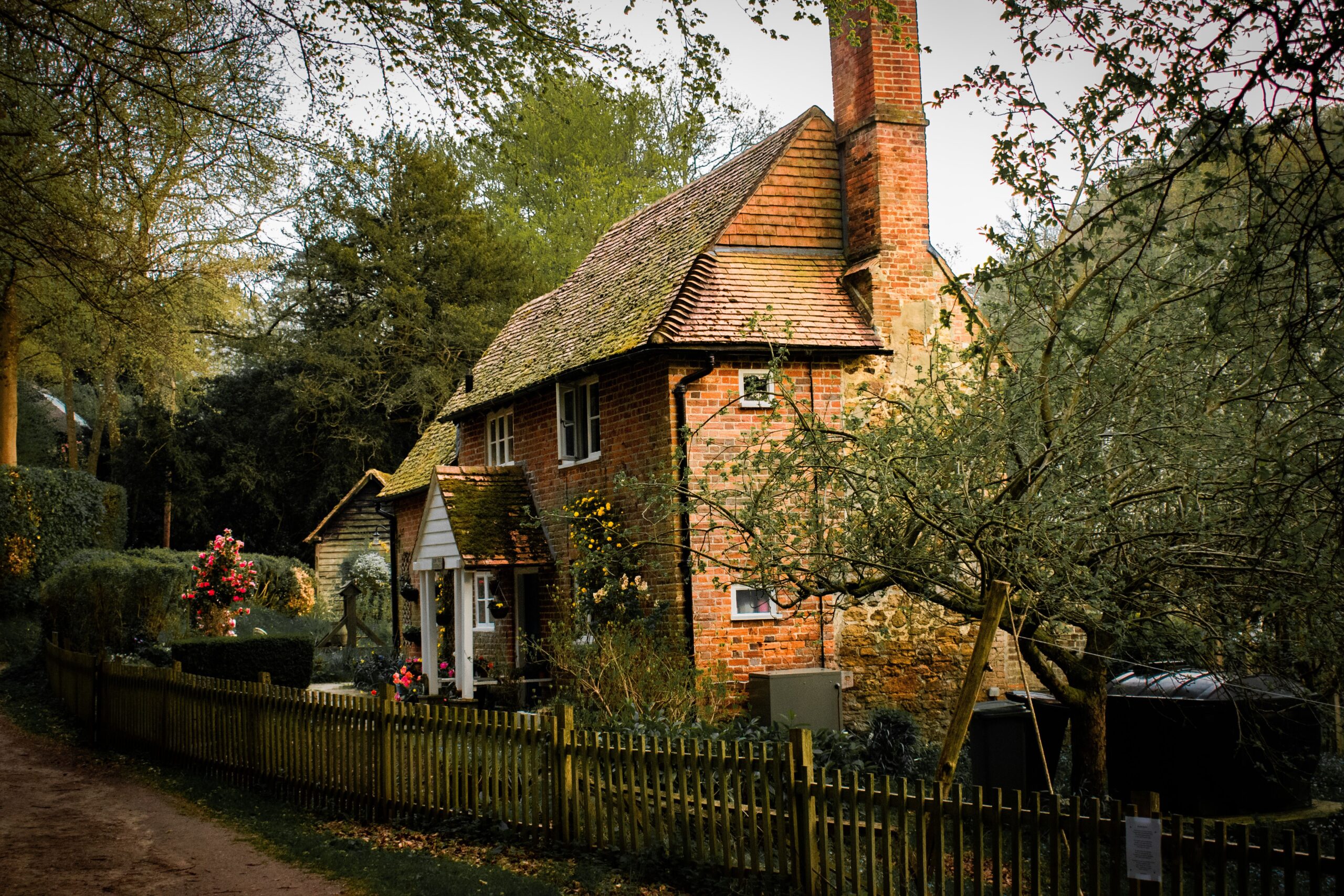
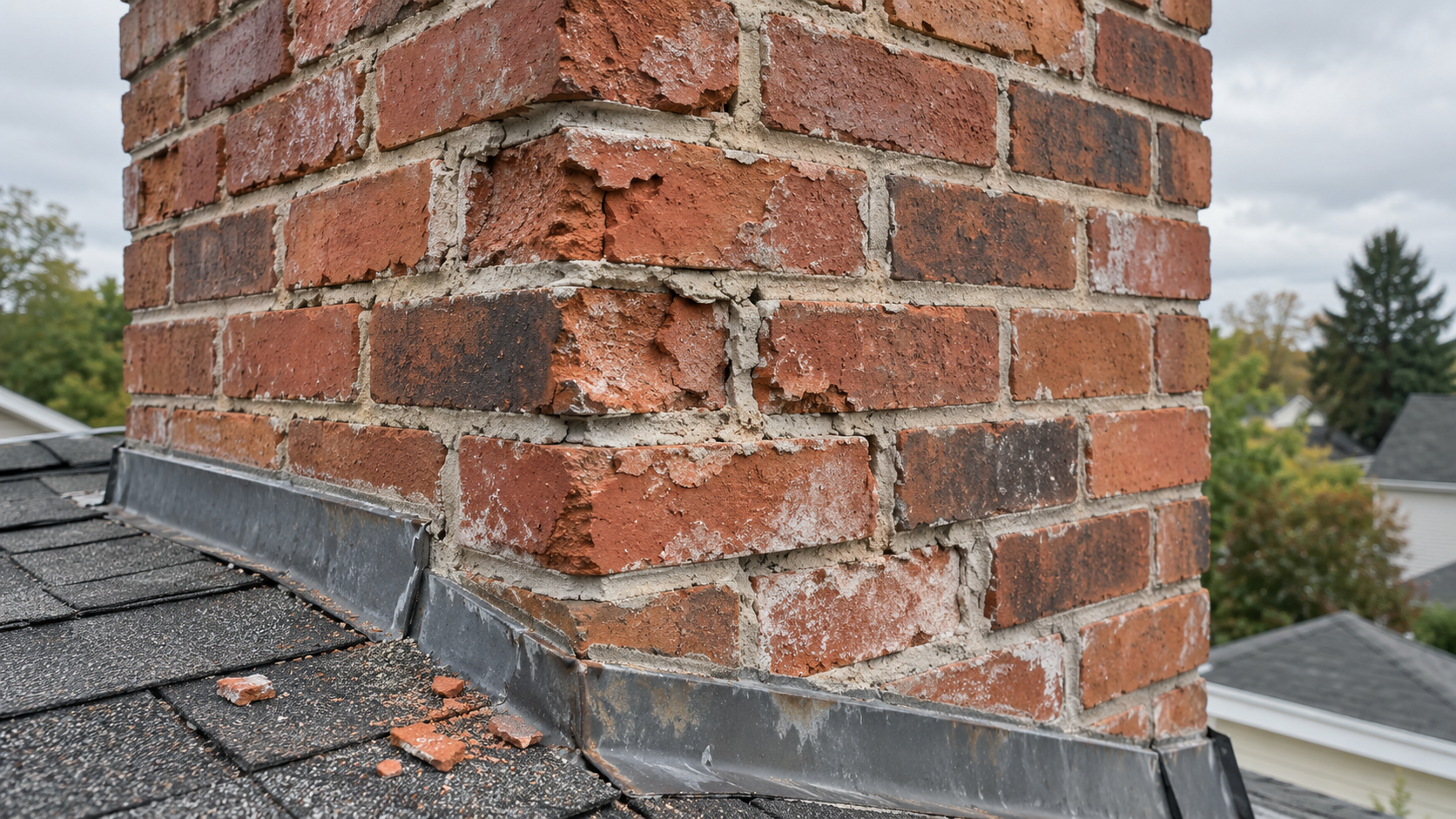
Chimney brick spalling is the flaking, chipping, or breaking away of a brick’s outer face. It usually means moisture has entered the masonry and the brick has begun to deteriorate. Freeze-thaw cycles can accelerate the damage, but leaks, incompatible mortar, trapped moisture, salts, and earlier abrasive cleaning can also contribute.
Spalling is not repaired by painting over the brick or smearing mortar across its face. The durable approach is to identify how water is entering, correct that source, evaluate the mortar and surrounding masonry, replace bricks that have lost too much material, and repoint deteriorated joints with a compatible mortar. Because chimneys are exposed, elevated structures that also contain combustion gases, significant repair belongs with a qualified masonry or chimney professional. For a wider overview of exterior deterioration, see our masonry chimney damage and maintenance guide.
What Does Spalling Brick Look Like?
Early spalling can be subtle. A brick face may appear rougher than nearby units or show shallow flakes along an edge. As deterioration progresses, thin layers detach, corners break away, and the softer red or orange core becomes visible. Loose chips may collect on roof shingles or at the base of the chimney.
The National Park Service recommends periodically checking exposed masonry for spalling, cracking, leaning, bulging, and mortar deterioration. Its guidance also warns that the cause must be understood before selecting a treatment, especially on older masonry. See the NPS overview of common brick masonry problems.
| What you see | Likely condition | Best next step |
|---|---|---|
| White powder on an otherwise intact face | Efflorescence, which indicates moisture moving soluble salts | Find the moisture source; do not confuse the deposit alone with lost brick material |
| Shallow flakes or small chips | Early surface spalling | Document the area and arrange a masonry assessment before winter or prolonged wet weather |
| Deep pits and exposed soft brick core | Advanced spalling | Plan individual brick replacement and correct the moisture source |
| Missing or powdery mortar joints | Mortar deterioration | Evaluate repointing with a compatible mortar |
| Stair-step cracks, leaning, or a widening gap | Possible movement or structural distress | Keep clear and obtain prompt professional evaluation |
Why Chimney Bricks Spall
A chimney experiences rain, snow, wind, temperature changes, and heat from the flue. The exposed top and four exterior faces receive more weather than many walls. Spalling often results from several problems acting together rather than one isolated defect.
Water entering through the crown, cap, flashing, or joints
A cracked crown can send water into the top courses. Missing or damaged caps allow precipitation into the flue area. Failed flashing admits water where the chimney meets the roof, while open mortar joints absorb wind-driven rain. Before replacing bricks, inspect the whole water-management system. Our chimney flashing leak guide explains the clues that distinguish flashing problems from other entry points.
Freeze-thaw cycling
When water saturates porous brick and freezes, the expanding ice stresses the material. Repeated cycles can loosen the fired outer surface and expose the more absorbent core. Damage often becomes more visible after winter, but the moisture may have entered months earlier.
Mortar that is too hard for the brick
Mortar joints should help accommodate movement and manage moisture. On older or softer brick, a very hard, dense repair mortar can force stress and moisture into the brick units instead of the joints. The NPS explains that repointing mortar should be selected for the building’s masonry, exposure, condition, and existing materials—not chosen from a universal recipe. Its Preservation Brief 2 is especially useful for older masonry.
Impermeable paint or the wrong coating
Some coatings slow drying by trapping moisture behind the surface. Painting deteriorated chimney brick can hide symptoms without correcting the leak, and an unsuitable film-forming sealer can worsen moisture pressure. A water-repellent treatment, when appropriate, is not the same as waterproof paint and should be selected only after cracks, crown defects, flashing problems, and failed joints are repaired.
Salt movement and abrasive damage
Moisture can carry salts through masonry. Crystallization near the surface may contribute to flaking and powdering. Sandblasting or aggressive grinding can also remove a brick’s durable fired face, leaving a softer interior exposed. Once that protective face is gone, coating the damage does not restore the original brick.
How Serious Is Spalling on a Chimney?
One shallow chip does not always mean the chimney is failing, but active deterioration should not be ignored. Exposed brick cores absorb water more readily, so a small defect can expand through additional wetting and freezing. Mortar erosion around the damaged unit may also loosen it.
Priority increases when:
- Brick fragments are falling onto the roof, yard, driveway, or walkway.
- Several adjacent bricks have lost their faces.
- Damage is concentrated near the crown or roofline, where water entry is common.
- Mortar joints can be brushed out by hand or show deep voids.
- The chimney leans, bulges, or has cracks that cross multiple bricks.
- Water stains, damp odors, or ceiling damage appear inside.
- The clay liner, smoke chamber, or firebox may also be cracked.
If the chimney has recently experienced a chimney fire, do not treat exterior brick repair as the only task. The flue system needs a suitable inspection before the appliance is used again.
How Professionals Repair Spalling Chimney Brick
A sound repair sequence starts with diagnosis. Replacing visible bricks while leaving a leaking crown or failed flashing in place usually allows the damage to return.
1. Find and correct the moisture source
The inspection should cover the cap, crown, flue termination, mortar joints, flashing, roof intersection, and nearby drainage. Small crown cracks may be repairable, while extensive cracking, poor slope, or missing overhang can require more substantial work. Review our guide to repairing and sealing a chimney crown for the difference between surface maintenance and defects that need reconstruction.
2. Replace bricks that have lost too much material
A brick with deep face loss cannot be rebuilt reliably by spreading mortar over the front. A mason typically removes the damaged unit without harming its neighbors, cleans the opening, installs a compatible replacement brick, and finishes the joints to match the surrounding work. Replacement bricks should be compatible in size, absorption, durability, and appearance.
3. Repoint deteriorated mortar joints
Repointing means removing unsound mortar to an appropriate depth and packing the joint with compatible new mortar. It is not a thin surface smear. The joint profile, color, texture, strength, and vapor behavior all matter. Historic or unusually soft masonry deserves special analysis because a mismatched modern mortar can damage the bricks.
4. Repair or rebuild the crown when needed
The crown should direct water away from the chimney and protect the masonry below. If it is flat, separated, severely cracked, or crumbling, coating only the visible fissures may not be enough. The scope should address the crown’s shape, edge projection, joints, and connection around flue tiles.
5. Consider a breathable water-repellent treatment
After masonry is dry and repairs have cured, a professional may recommend a vapor-permeable treatment formulated for above-grade masonry. It should reduce liquid-water absorption without forming an impermeable film. Suitability depends on the brick, previous coatings, exposure, and moisture path. Our brick chimney waterproofing guide covers preparation and common application mistakes.
Repairs That Commonly Fail
- Mortar smeared over a damaged brick face: The patch may detach and can conceal continued decay.
- Painting to hide flaking: Cosmetic coverage does not replace lost masonry and may slow drying.
- Sealing before the leak is fixed: Water can continue entering through the crown, flashing, cap, or open joints.
- Using the hardest mortar available: Greater compressive strength does not automatically mean better compatibility.
- Replacing only the worst brick: Adjacent joints and water-entry details may still require repair.
- Working from an unsecured ladder or roof edge: Chimney repair combines fall hazards with loose masonry and power tools.
What a Good Chimney Repair Quote Should Include
Ask the contractor to identify the likely moisture source and separate each part of the scope. A useful written quote should state:
- Which bricks will be replaced and how replacements will be matched
- Which mortar joints will be repointed
- The proposed mortar approach and why it is compatible
- Whether the crown, cap, or flashing needs work
- Whether a water-repellent treatment is included and what type it is
- How roof surfaces, landscaping, and walkways will be protected
- How debris and loose masonry will be contained
- Whether a flue inspection is recommended before continued use
- Warranty terms and exclusions
Do not evaluate quotes by the lowest total alone. One contractor may quote brick replacement while another includes the water source, repointing, crown work, and access equipment. Use our guide to choosing chimney repair services to compare scope and warning signs.
Can You Prevent Chimney Brick Spalling?
You cannot stop weather exposure, but you can reduce prolonged saturation and catch defects earlier. Inspect the chimney from the ground after winter storms and heavy rain. Look for new chips, open joints, crown cracks, rust staining, damaged caps, and flashing gaps. Keep roof drainage from directing water toward the chimney, and address interior leaks promptly.
Schedule professional chimney inspection at the interval appropriate for your appliance, use, and local requirements. A chimney professional can evaluate accessible combustion components; a qualified mason may be needed for material matching and extensive exterior repair. Older homes sometimes require both specialties.
Conclusion
Chimney brick spalling is a moisture warning, not merely a cosmetic blemish. The visible flakes are the result; the real repair begins by finding how water entered and whether the mortar, crown, flashing, cap, or previous coating contributed.
Small, isolated damage may be repairable with individual brick replacement and localized repointing. Widespread face loss, falling fragments, structural cracks, or movement requires faster professional attention. A compatible repair that restores drainage and drying will protect the chimney better than paint, surface mortar, or a one-size-fits-all sealer.
Frequently Asked Questions
Can spalling chimney bricks be repaired without replacement?
Very shallow surface damage may be monitored after the moisture source is corrected, but a brick with deep face loss or a soft exposed core usually needs replacement. Smearing mortar over the face is not equivalent to installing a sound brick.
Does sealing a chimney stop brick spalling?
Not by itself. Crown cracks, flashing defects, open joints, and cap problems must be corrected first. An appropriate vapor-permeable water repellent may be useful on compatible, repaired masonry, while an impermeable coating can trap moisture.
What is the difference between spalling and efflorescence?
Spalling is physical loss of the brick surface through flakes, chips, or crumbling. Efflorescence is a light-colored salt deposit left as moisture moves through masonry and evaporates. Efflorescence signals moisture movement but does not always mean the brick face has detached.
Can the wrong mortar cause chimney brick damage?
Yes. A repair mortar that is too hard or too impermeable for older, softer masonry can shift stress and moisture into the bricks. Mortar should be selected for the existing materials, exposure, and condition rather than chosen only for maximum strength.
When is chimney spalling an emergency?
Treat it as urgent when bricks are falling, the chimney is leaning or bulging, cracks are widening across multiple units, or the structure appears separated from the house. Keep people away from the fall zone and arrange prompt professional evaluation.