How to Choose a Trusted Chimney Sweep
By Chimney Insight Editorial Team
Posted on April 26, 2025
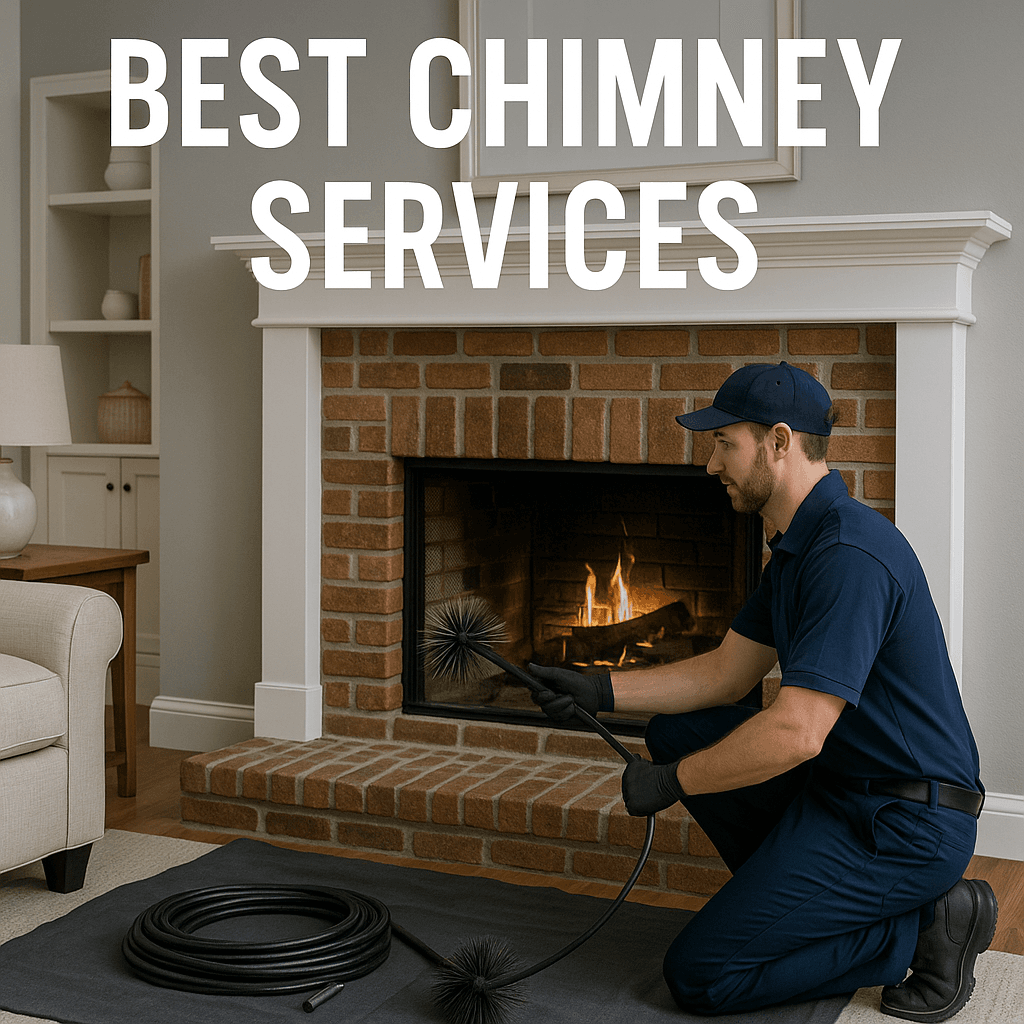
A trusted chimney sweep should be able to explain what your chimney needs, document what they find, and separate urgent safety work from optional improvements. Before hiring, verify the company’s identity and credentials, ask what level of inspection is included, request a written scope, and compare the findings rather than choosing only by price.
The right professional helps you understand the condition of the chimney without using fear or pressure. The checklist below gives US homeowners a practical way to screen companies, evaluate estimates, and recognize warning signs before authorizing work.
Start With the Service You Actually Need
“Chimney sweep” is often used as a catch-all term, but cleaning, inspection, diagnosis, and repair are different services. A routine cleaning removes accessible soot and deposits. An inspection evaluates the system’s visible condition. A leak, smoke problem, chimney fire, property transfer, or appliance change may require more investigation than a basic sweep.
Ask the company to name the service in writing. If an inspection is included, confirm its level and what areas will be examined. Our guide to chimney inspection Levels 1, 2, and 3 explains how the scope changes when there is a suspected hazard, a system change, or a need to access concealed areas.
Verify the Company Before the Appointment
A professional-looking website or van is not enough. Confirm the business name, physical service area, phone number, and how long the company has operated under that name. Ask who will enter your home and whether that person is an employee or subcontractor.
Credentials and training
Ask whether the technician holds a current, relevant credential and verify it with the issuing organization. The Chimney Safety Institute of America directory is one place homeowners can check participating certified professionals. A credential does not guarantee perfect work, but verification is more meaningful than a badge displayed without a name or expiration information.
Also ask about experience with your exact system: masonry chimney, factory-built fireplace, wood stove, pellet appliance, gas insert, or another vented appliance. Different systems have different clearances, components, and inspection limitations.
Insurance and business documentation
Request proof of current general liability insurance. If the company has employees, ask whether it carries the coverage required in your state. Requirements vary, so contact your state or local licensing authority when a contractor claims that no license or registration is needed.
Questions to Ask a Chimney Sweep
| Question | What a useful answer should clarify |
|---|---|
| What is included in the quoted price? | Cleaning, inspection level, camera use, cleanup, report, and any travel or access charges. |
| Who will perform the work? | The technician’s name, training, employment status, and experience with your appliance type. |
| Will I receive photos or a written report? | How defects will be documented and how urgent versus routine items will be labeled. |
| How do you protect the room? | Drop cloths, dust control, vacuum equipment, and the plan for containing debris. |
| What could change the price? | Heavy deposits, difficult roof access, animal material, multiple flues, or added diagnostic work. |
| Do you perform repairs too? | Whether the inspector benefits financially from every recommended repair and whether a second opinion is reasonable. |
Compare Scope, Not Just the Lowest Price
Two estimates can look similar while covering very different work. One may include only brushing the flue; another may include a documented inspection, accessible appliance checks, and a condition report. Use our chimney sweep cost factors to understand why access, system type, deposit level, and location can affect a quote.
A good estimate identifies the chimney or appliance, the work to be performed, the limitations of the inspection, the total price or pricing method, and what happens if unexpected conditions are found. Do not authorize open-ended work based only on a verbal statement.
What a Professional Visit Should Look Like
The technician should confirm the appliance and flue being serviced, protect nearby surfaces, and explain how the work will be performed. After cleaning or inspection, you should receive a plain-language summary of observed conditions. Important defects should be supported by photographs, video, measurements, or another clear form of evidence whenever accessible.
A sweep cannot see through every wall or guarantee that a concealed area is defect-free. Honest professionals state these limitations. If a more invasive inspection is recommended, the reason and proposed access should be explained before work begins.
Red Flags That Justify a Pause
- Unsolicited scare tactics: the salesperson claims your home is in immediate danger but will not show evidence.
- A very low teaser price: the advertised rate does not match the service you need, and expensive additions appear after arrival.
- No written report or scope: major repairs are recommended only verbally.
- Pressure to decide immediately: you are discouraged from seeking another estimate for non-emergency work.
- Unverifiable credentials: certification logos are shown, but the technician cannot be found through the issuing organization.
- Cash-only demands or vague payment terms: the company will not provide a detailed invoice or normal business identification.
- Repair claims unrelated to the evidence: proposed work does not identify the defect, location, materials, or expected result.
How to Evaluate a Repair Recommendation
Ask the sweep to show the location and severity of the problem. A useful repair proposal should identify the component, the observed defect, the intended repair method, materials, warranty terms, and exclusions. For significant work, obtain another qualified opinion, especially when the first inspection was performed by the same company selling the repair.
Urgency should be tied to a specific risk. Active flue damage, signs of a chimney fire, combustion-gas spillage, or an unstable component can justify stopping use until the system is evaluated. Cosmetic staining or a future maintenance suggestion may not have the same timeline.
Prepare for the Appointment
- Stop using the appliance for the period requested by the company so surfaces can cool safely.
- Clear furniture and fragile items from the work area.
- Secure pets and provide safe access to the appliance, attic, basement, and exterior as needed.
- Gather prior inspection reports, repair invoices, and the appliance manual if available.
- Write down symptoms such as odors, leaks, poor draft, visible damage, or smoke entry.
If you are unsure how often service may be needed, review our guide to chimney cleaning frequency. Usage, fuel, appliance condition, and deposit formation matter more than a one-size-fits-all calendar rule.
Safety Limits for Homeowners
Do not climb onto a roof, dismantle a connector, or operate an appliance that is spilling smoke or combustion gases. Leave the home and call emergency services if a carbon-monoxide alarm sounds, anyone feels ill, or you suspect a fire. After a suspected chimney fire, stop using the system until it has been professionally evaluated. Our guide to chimney fire warning signs explains what requires prompt attention.
Final Hiring Checklist
- Business identity and contact information verified
- Technician and relevant credentials verified
- Insurance documentation requested
- Experience with your system confirmed
- Inspection level and cleaning scope written down
- Price, possible additions, and payment terms explained
- Photos or a written condition report included
- Major repair recommendations compared when practical
- No pressure to authorize unexplained work
Frequently Asked Questions
Should a chimney sweep be certified?
Certification is a useful sign of training when it is current and verifiable, but it is only one part of the decision. Also evaluate insurance, relevant experience, documentation quality, references, and the clarity of the proposed scope.
Should I hire the cheapest chimney sweep?
Not automatically. Compare what each quote includes. A low price may exclude an inspection report, camera work, difficult access, or additional flues. The best value is a clear, appropriate scope performed by a qualified technician.
Do I need a second opinion on chimney repairs?
A second opinion is sensible for expensive, invasive, or poorly explained repairs when there is no immediate emergency. Ask both companies to document the same defect so you can compare the diagnosis as well as the price.
What should I receive after a chimney inspection?
You should receive a summary of accessible conditions, identified limitations, and recommendations. Significant defects should be documented with clear locations and supporting images or measurements when possible.
How often should a chimney be inspected?
Inspection timing depends on the appliance, use, fuel, prior findings, and manufacturer or local requirements. Arrange an evaluation sooner when you notice smoke entry, odors, water, falling debris, visible damage, or after a suspected chimney fire.