Best Mortar for Chimney Repair: Types & Compatibility
By Chimney Insight Editorial Team
Posted on July 8, 2025
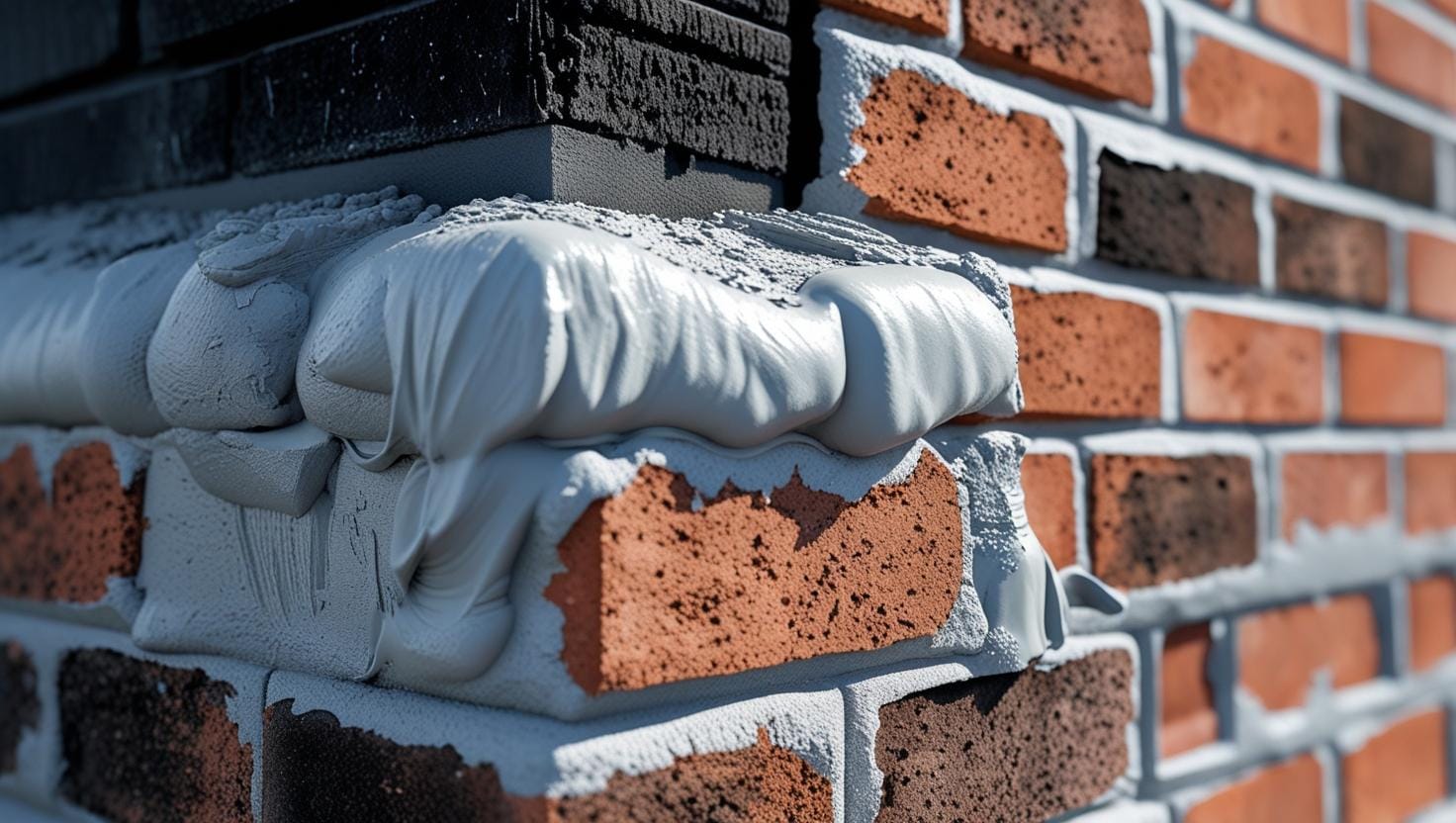
The best mortar for chimney repair is the mortar that is compatible with the existing brick or stone, the repair location, and the chimney’s exposure. A stronger mix is not automatically better. Mortar that is too hard or impermeable can transfer stress and moisture into softer masonry, while an overly weak or poorly cured mix can fail early.
Because a chimney is exposed to wind, rain, freeze-thaw cycles, heat, and combustion byproducts, choosing a bag by label alone is risky. Start by identifying the masonry and the reason the joints failed.
Quick Comparison of Common Mortar Types
| Mortar type | General characteristic | Typical consideration |
|---|---|---|
| Type N | Moderate strength and workability | Often considered for above-grade exterior masonry when compatible. |
| Type S | Higher strength and stronger bond | May be specified for structural or high-load exposure; can be too hard for some older brick. |
| Type O | Lower strength, softer mix | Sometimes considered for compatible historic or softer masonry in appropriate conditions. |
| Historic lime mortar | Flexible and vapor permeable | Requires analysis and appropriate materials, proportions, workmanship, and curing. |
| Refractory mortar | Designed for specified high-temperature applications | Used only where approved for firebox or flue components; it is not a universal exterior-joint mortar. |
These are general distinctions, not a project specification. Local codes, the original masonry, structural loads, and product instructions control the final choice.
Why Mortar Compatibility Matters
Mortar joints are intended to work with the surrounding units. In many historic chimneys, the mortar is deliberately softer than the brick. When a dense, high-strength repair is installed around softer brick, moisture and movement may damage the brick faces instead of the replaceable joints.
Compatibility involves more than compressive strength. A mason may consider vapor permeability, water retention, bond, elasticity, aggregate, joint profile, color, exposure, and the condition of the existing wall.
Where the Repair Is Located
Exterior stack and joints
Above-roof masonry receives severe weather exposure. The mortar must be appropriate for the brick and local climate, and the crown, flashing, cap, and water-shedding details must also work. Repointing joints will not solve a cracked crown or failed flashing.
Firebox
Firebox joints face high temperatures. Ordinary exterior masonry mortar may not be approved for this location. Use a system specifically listed or specified for the appliance or firebox construction and the expected temperature.
Smoke chamber and flue
These areas affect safe venting and can be difficult to access. Repairs should follow applicable codes and listed system requirements. Coatings or patch materials should never be used merely to hide a damaged liner.
Foundation or structural masonry
Cracks, leaning, or separation may indicate movement. Repointing cannot stabilize a failing footing. If the chimney is separating, read our guide to a chimney pulling away from the house and arrange structural assessment.
Signs That Repointing May Be Appropriate
- Mortar is recessed, eroded, cracked, or loose while the brick remains generally sound.
- Deterioration is concentrated in accessible joints rather than throughout the units.
- The chimney is stable and the source of water entry can be corrected.
- A compatible replacement mix and joint profile can be identified.
Loose bricks, bulging walls, widespread spalling, major vertical cracks, or a leaning stack may require partial or full rebuilding. Review the factors in our chimney stack rebuilding guide.
Mortar Selection Process
- Identify the masonry. Determine whether the units are modern fired-clay brick, older soft brick, concrete masonry, stone, or another material.
- Investigate the failure. Look for crown cracks, flashing leaks, saturation, movement, incompatible past repairs, and freeze-thaw damage.
- Study the original mortar. Historic work may require laboratory analysis or an experienced preservation mason.
- Match performance. Select strength, permeability, aggregate, color, and joint profile appropriate for the wall.
- Confirm location requirements. Exterior joints, firebox joints, and listed chimney systems can require different materials.
- Plan curing. Temperature, sun, wind, rain, and moisture control affect the repair.
Why Premixed “Chimney Repair” Products Need Scrutiny
A product name does not guarantee compatibility. Read the technical data sheet, approved substrates, application thickness, temperature range, exposure limits, and curing instructions. A sealant intended for a small joint is not repointing mortar; a resurfacing coating is not a structural repair.
Avoid mixing products or adding extra cement, lime, pigment, antifreeze, or water outside the manufacturer’s directions. Small proportion changes can alter bond, shrinkage, color, and durability.
Preparation and Curing Matter
New mortar needs clean, properly prepared joint surfaces and adequate depth. Aggressive grinding can damage brick edges, widen joints, and leave a poor visual result. Dust and loose material interfere with bond.
The mason should control joint moisture, pack the mortar thoroughly, finish it to an appropriate profile, and protect the work during curing. Hot sun, freezing conditions, wind, or heavy rain can damage fresh mortar. The exact procedure depends on the mix and weather.
When to Hire a Mason
Use a qualified masonry or chimney professional when the stack is tall, access requires roof work, bricks are loose, the chimney leans, cracks cross multiple units, or damage involves the flue or smoke chamber. Historic masonry deserves a contractor familiar with preservation-compatible work.
Ask the contractor to identify the proposed mortar, explain why it is compatible, describe preparation and curing, and separate repointing from crown, flashing, or liner repairs. For crown problems, see our guide to chimney crown repair and sealing.
Homeowner Checklist
- Existing brick or stone identified
- Water and movement sources investigated
- Repair location clearly defined
- Mortar performance matched to masonry
- Joint removal method will not damage brick
- Weather protection and curing plan included
- Structural or flue defects evaluated separately
- Written scope identifies materials and exclusions
Frequently Asked Questions
Is Type S mortar always best for chimneys?
No. Its higher strength may suit some work but may be incompatible with softer or historic brick. Selection must consider the wall, exposure, and repair location.
Can I use refractory mortar outside the chimney?
Only if the manufacturer approves the exact substrate and exposure. A high-temperature rating does not automatically make a material suitable for exterior weathering or repointing.
Can new mortar be applied over old joints?
A thin surface smear usually lacks sufficient depth and preparation for durable repointing. Deteriorated material generally must be removed carefully to a suitable depth before replacement.
Will repointing stop a chimney leak?
It may correct water entry through deteriorated joints, but leaks can also come from flashing, the crown, cap, roof, condensation, or damaged masonry.
Can mortar fix a leaning chimney?
No. A leaning or separating chimney may have foundation or structural movement. Stabilization or rebuilding decisions require an appropriate professional assessment.