Best Chimney Waterproofing Products: Stop Leaks & Protect Your Masonry
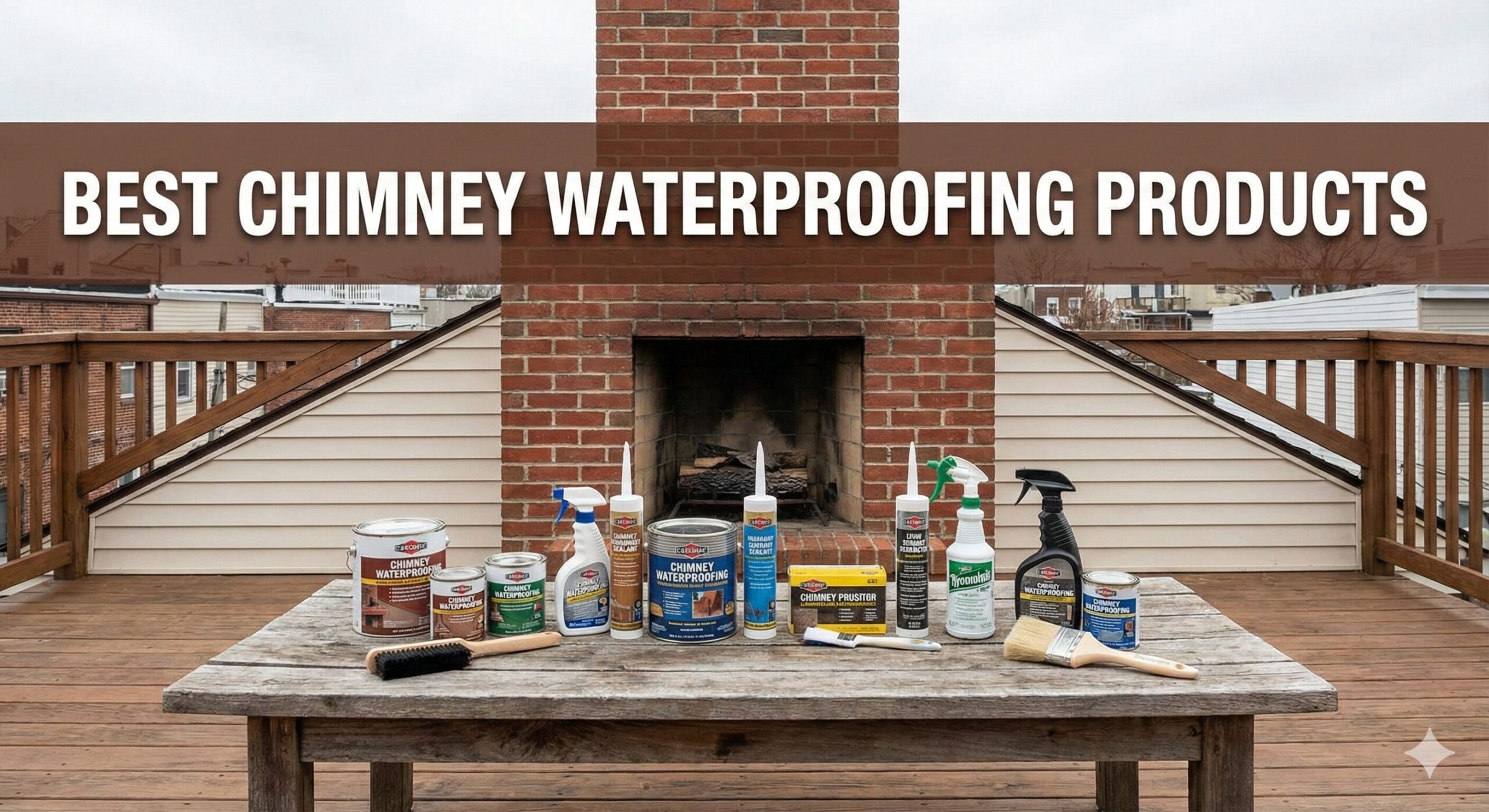
Water is the silent, relentless destroyer of masonry. Unlike the catastrophic, immediate, and visible damage caused by a violent chimney fire, water damage is deeply insidious. It seeps invisibly into the microscopic pores of your bricks and mortar joints over months and years. When winter arrives, this trapped moisture freezes, expands by roughly 9%, and slowly crumbles your expensive chimney from the inside out. By the time you actually see thick green moss growing or notice the crumbled faces of spalling bricks scattered on your lawn or roof, the structural damage is already severe.
If you have recently noticed the signs of a leaky chimney—such as water pooling in your firebox, musty damp smells, or white salt stains (efflorescence) on the exterior brick—or if you simply want to extend the lifespan of your masonry and avoid a massive rebuilding bill, applying a high-quality water repellent is one of the highest ROI (Return on Investment) maintenance tasks a homeowner can perform.
But be warned: not all “sealers” are created equal. In fact, marching down to the local big-box hardware store and choosing the wrong type of masonry sealer (specifically, a film-forming paint or cheap acrylic) can actually accelerate the destruction of your chimney by trapping internal moisture inside. In this comprehensive, expert-led guide, we rigorously test and review the best chimney waterproofing products currently available on the market. We break down the complex chemistry (Silane vs. Siloxane formulations), analyze breathability (perm ratings), verify long-term warranties, and evaluate the ease of DIY application to help you confidently shield your home against the harshest elements.
Quick Comparison: Top Waterproofing Picks for 2026
Short on time? Use this responsive comparison table to quickly identify the best water repellent for your specific masonry needs. Swipe horizontally on mobile devices to view all columns.
| Product Name | Best Application Use | Chemical Base Type | Expected Lifespan/Warranty |
|---|---|---|---|
| ChimneySaver Water Repellent | Overall Best (The Pro Choice) | 100% Siloxane (Water or Solvent) | 10 Years (Industry Leading) |
| SaverSystems Chimney Rx | Best DIY Friendly Option | Silane/Siloxane Blend | 10 Years |
| Ghostshield Siloxa-Tek 8500 | Heavy Duty Industrial / Coastal | High-Active Silane/Siloxane | 100 Years (Structural depth) |
| Rain Guard Water Sealers | Best Eco-Friendly Budget Pick | Micro-Lok Proprietary Blend | 5 Years |
Why “Sealing” Your Chimney is a Catastrophic Mistake (Read This First)
Before we dive into the specific product reviews, we must clarify a massive, persistent misconception in the home improvement industry: the critical chemical difference between sealers (film-formers) and water repellents (penetrators).
The Breathability Factor (Vapor Permeability)
Bricks, concrete blocks, and mortar are essentially hard sponges—they are naturally highly porous materials. They are designed to absorb water during heavy rainstorms and then release that moisture safely back into the atmosphere through evaporation when the sun comes out and temperatures rise.
The Danger of Film-Forming Sealers
If you use a film-forming sealer (like a clear coat paint, a generic deck/concrete sealer found at hardware stores, or a thick acrylic), you effectively shrink-wrap your chimney in a plastic-like barrier over the brick face. While this plastic barrier successfully stops exterior rain from getting in, it traps internal moisture trying to get out. Moisture is constantly generated from your home’s interior humidity and from the condensation of hot flue gases (especially if you have gas appliances venting into the chimney). When that trapped moisture freezes in winter, it expands with immense hydraulic pressure, literally popping the protective hard face of the brick off—a devastating process known as spalling. To understand more about breathable masonry coatings, review our guide on comparing brick paints for chimney durability.
The Only Safe Solution: Penetrating Water Repellents. The products listed below are not sealers; they are repellents. They are 100% vapor permeable (breathable). Instead of sitting on the surface like plastic, they dive deep into the pores of the brick and mortar. Once inside, they create a hydrophobic (water-fearing) chemical zone that blocks large liquid water molecules from entering, but allows tiny water vapor molecules to easily escape. This is the only structurally safe way to waterproof a masonry chimney.
Deep Dive Reviews: The Best Chimney Waterproofing Products
1. ChimneySaver Water Repellent Top Pro Choice
The Undisputed Industry Standard used by Certified Chimney Sweeps across North America.

If you hire a certified, professional chimney sweep to come to your home and waterproof your stack, there is a 90% chance they are pulling a bucket of ChimneySaver out of their van. This is a commercial-grade, 100% siloxane-based water repellent specifically engineered from the ground up for the unique demands of vertical masonry surfaces.
Unlike cheap hardware store sealers that contain low levels of active ingredients and quickly degrade under harsh UV sunlight within 12 to 24 months, ChimneySaver is different. It relies on siloxane, which forms a permanent, molecular chemical bond with the silica naturally present in the brick and mortar. It creates a robust hydrophobic barrier that is practically invisible once cured, perfectly maintaining the natural, matte look of your brick without leaving a glossy, artificial sheen that looks like plastic.
ChimneySaver is available in both water-based (easier cleanup, lower odor, environmentally friendly) and solvent-based (can be applied in slightly colder temperatures, deeper initial penetration) formulas.
Pros
- 100% Vapor Permeable (allows bricks to breathe and prevents spalling).
- Non-glossy, completely invisible finish maintains architectural aesthetics.
- Highly resistant to mildew, fungus, and mold growth on shaded walls.
- Backed by a legitimate 10-Year Warranty when applied correctly.
- Actively prevents efflorescence (the ugly white salt stains blooming on brick).
Cons
- Significantly more expensive per gallon than generic hardware store brands.
- Requires meticulous overspray protection; it will permanently etch glass windows and ruin asphalt shingles if spilled.
- Requires a window of dry weather for application (typically a 6-hour dry cure time).
Verdict: If you want to do the dangerous job of climbing on your roof exactly once and not worry about water intrusion for a decade, this is the product you must buy. It is the absolute best defense against catastrophic freeze-thaw masonry damage.
2. SaverSystems Chimney Rx Masonry Water Repellent
The Best DIY-Friendly Option for Older, Highly Porous Bricks.

Manufactured by the exact same parent company that produces the professional-grade ChimneySaver, the Chimney Rx line is formulated specifically for the consumer and DIY market. While sharing much of the same high-end chemical DNA as the pro version, Chimney Rx is designed to be slightly more forgiving during application for homeowners who aren’t professional masons.
It utilizes a sophisticated silane/siloxane blend. This combination is brilliant: the silane molecules are incredibly tiny, allowing them to penetrate deep (up to 1/4 inch) into the dense substrate for core structural protection, while the larger siloxane molecules remain nearer to the surface to create that satisfying, highly visible water beading effect. This “one-two punch” makes it excellent for older, slightly more porous, or neglected chimneys that haven’t seen a drop of maintenance in years. It pairs excellently if you have recently repaired crumbling mortar joints using the best chimney mortar mixes to point up the brickwork prior to sealing.
Pros
- Deep substrate penetration (up to 1/4 inch into the brick).
- Excellent, highly visible water beading effect immediately after curing.
- Water-based formulation means drastically lower VOCs and safer handling than solvent-based options.
- Easy, safe cleanup of sprayers and tools with just warm soap and water.
Cons
- Can slightly darken some very light, highly porous sandstones or limestone accents upon application.
- Strictly formulated for vertical walls; not intended for horizontal surfaces where water pools (like the concrete chimney crown).
3. Ghostshield Siloxa-Tek 8500
The High-Tech, Heavyweight Armor for Extreme Climates and Coastal Homes.

Ghostshield is a company that creates brutal, industrial-grade concrete sealers for commercial applications (like bridge supports and parking garages), and their Siloxa-Tek 8500 is a marvel of modern nanotechnology brought to the residential market. If you live in an area with punishing, harsh winters (heavy snow, driving ice, and rapid freeze-thaw temperature fluctuations), this is your masonry armor.
It is a highly concentrated, ultra-high active ingredient silane/siloxane sealer. You typically purchase it in a small concentrate bottle and mix it with distilled water at home, which saves significantly on shipping weight. Its defining, standout feature is its extreme resistance to de-icing salts and chlorides. While you likely aren’t dumping rock salt on your chimney, coastal homes exposed to relentless, corrosive sea spray will benefit immensely from this salt-resistant formula. It penetrates deeper and helps prevent spalling and micro-cracking better than almost any other consumer-grade product available.
Pros
- True industrial-strength nanotechnology utilized in commercial construction.
- Unmatched resistance to salt degradation and chloride ion penetration (perfect for coastal/beachfront homes).
- Very high coverage rate when mixed properly from the concentrate.
- Does not alter the surface appearance, color, or texture of the masonry whatsoever.
Cons
- Often sold as a concentrate, meaning it requires careful, precise mixing with distilled water before use.
- Higher initial price point per mixed gallon.
- Arguably structural “overkill” if you live in a mild, temperate climate with zero freezing temperatures.
4. Rain Guard Water Sealers (Brick Sealer)
The Eco-Friendly, Budget-Conscious Choice for Mild Climates.

Rain Guard offers a distinctly different chemical approach called Micro-Lok technology. Instead of relying solely on reactive silanes, it uses a proprietary blend that creates a mechanical, rather than purely chemical, bond within the pores of the substrate. It has become incredibly popular in recent years due to its focus on eco-friendliness—it boasts ultra-low VOCs and is heavily marketed as being safe to use around delicate foundation landscaping, plants, and pets. This is a massive concern for many homeowners spraying airborne liquids from a roof on a breezy day.
While it may not possess the 10-year, deep-penetrating longevity of a professional siloxane like ChimneySaver, it is significantly more affordable, widely available, and incredibly easy to apply. For a quick, weekend DIY project to hastily seal a chimney or a decorative brick retaining wall right before the autumn rainy season begins, Rain Guard is a solid, dependable contender.
Pros
- Very affordable price point, excellent for large surface areas on a budget.
- Highly eco-friendly, non-toxic, and safe for surrounding plants and grass.
- Ready to use straight out of the bottle (no mixing required).
- Incredibly fast drying time (often rain-ready in just 1 to 2 hours).
Cons
- Shorter overall lifespan; will likely require re-application every 3 to 5 years.
- Less penetration depth than premium silanes, offering slightly less protection against severe freeze-thaw cycles.
Advanced Buying Guide: How to Choose the Exact Right Product
Before you click “buy” and haul a heavy bucket up a ladder, consider these critical factors to ensure compatibility with your specific chimney architecture and local climate.
1. Water-Based vs. Solvent-Based Formulas
Water-based repellents (like the ChimneySaver water-base or Chimney Rx) are generally easier to clean up if you make a mess, have significantly less odor, and are fully compliant with strict VOC environmental laws in states like California and New York. They require a completely dry brick to absorb properly.
Solvent-based repellents, on the other hand, cure much faster, penetrate slightly deeper on the first pass, and can sometimes be applied in colder temperatures (closer to freezing). However, they are messier, smell very strong (requiring a respirator), and are highly flammable during application.
2. The “Chimney Crown” Exception
You must remember a crucial rule: the products listed above are designed exclusively for the vertical brick walls of the chimney. They are absolutely NOT intended for the chimney crown (the flat, horizontal concrete slab sitting on the very top of the stack). The crown takes the most brutal beating of the entire system because it faces direct vertical rain impact and pooling snow accumulation. Water repellents will simply wash off a flat crown.
If your concrete crown is covered in hairline cracks, you need an elastomeric crown sealer (a thick, rubberized coating). Check out our comprehensive guide on assessing crown damage and choosing the best chimney rain caps for drainage performance to protect that top slab.
3. Climate and Environmental Considerations
If you live in the Northeast, Midwest, or Canada, where winter freeze-thaw cycles are brutal and constant, you must invest in the deep-penetrating Siloxane based products (like ChimneySaver or Ghostshield). If you are in a milder, rainy climate like the Pacific Northwest or the Southeast, where freezing isn’t the primary enemy but constant dampness is, a standard water-based silane/siloxane blend (like Chimney Rx) works perfectly to keep the brick dry and free of moss.
Step-by-Step Guide: How to Waterproof Your Chimney Like a Pro
Buying the most expensive premium product is only half the battle. Your application technique will ultimately determine the success or failure of the job. For a full, exhaustive walkthrough, read our master guide: Chimney Waterproofing Methods for Masonry Protection. Here is the condensed, essential version to get you started:
Step 1: Inspect, Clean, and Repair First
Never attempt to waterproof a dirty, mossy, or broken chimney. If you have missing chunks of mortar or gaping cracks in the brick, the liquid water repellent will not magically bridge the physical gap. Water will pour right in.
- Fix structural cracks and missing mortar first. Allow new mortar to cure for at least 28 days before applying repellent.
- Seal the metal flashing at the roofline with a high-quality chimney flashing sealant.
- Remove moss, mold, and heavy soot using a stiff masonry brush and a chemical cleaner. Do not use a high-pressure power washer, as it can blast the old mortar right out of the joints.
- Remove efflorescence (the white, powdery salt stains) with a specialized acidic masonry cleaner. Repellent will not penetrate through efflorescence.
Step 2: Calculate Accurate Coverage
Most quality repellents will cover 100 to 150 square feet per gallon, depending on how porous your specific brick is. A typical, standard single-story chimney might only need 1 to 1.5 gallons. However, a massive, wide, two-story exterior stack might easily consume 3 to 4 gallons. Always buy one gallon more than you think you need; you do not want to run out while balanced on a roof.
Step 3: The “Flood Coat” Application Technique
Ditch the paint rollers. Use a high-quality garden pump sprayer for the best, most even results. The golden rule of application is to start from the bottom and work your way up. This prevents the liquid from creating “rundown” streaks that can permanently stain the dry brick below.
Apply what professionals call a “flood coat.” This means you spray the brick heavily enough that the liquid literally runs down the face of the brick about 6 to 8 inches below your spray nozzle. This heavy application ensures deep, thorough saturation into the pores. Apply a second coat while the first coat is still damp (“wet-on-wet” application) for maximum protection.
Beyond Waterproofing: Holistic Chimney Health
Waterproofing protects the porous faces of the bricks and mortar, but water is tricky and can enter through several other mechanical vulnerabilities. To fully seal your system and protect your home’s interior, you must consider the chimney as a whole system:
- The Roof Flashing: The intricate stepped metal seal between the brick chimney stack and your roof shingles is the #1 most common leak point. If it’s rusted or lifting, waterproofing the brick won’t stop the leak in your attic.
- The Chimney Cap: An open flue without a cap is literally a dark bucket waiting to catch rain, snow, and nesting animals. Ensure you have a high-quality, stainless steel cap securely installed.
- The Concrete Crown: As mentioned earlier, use a brushable, elastomeric crown sealer to fix cracks on the top slab where water pools.
If the structural damage is already severe (e.g., loose, shifting bricks, a leaning stack, or massive interior water damage), spraying waterproofing on it is like putting a band-aid on a broken leg. You will need professional masonry rebuilding. Check our guide on how to choose trusted chimney sweep and repair services to find a qualified professional in your area.
Frequently Asked Questions About Chimney Waterproofing
While Thompson’s is a very famous and popular brand for horizontal wood decks, many professional chimney sweeps strongly advise against using generic deck/concrete sealers on vertical masonry. Some cheaper formulations are film-forming and contain waxes or silicones that can trap internal moisture, ultimately leading to severe spalling damage during winter. Always check the label to ensure the specific product you buy is guaranteed to be 100% vapor permeable (breathable) and is explicitly approved for vertical brick masonry.
If you prep the brick correctly and use a high-quality, professional siloxane product like ChimneySaver, the protection can easily last 10 years or more before breaking down. Cheaper, acrylic-based hardware store brands typically need re-application every 2 to 4 years. The best way to test is through visual inspection: spray water onto the dry bricks with a hose. If the water beads up and rolls off, you are protected. If the water immediately darkens the brick and soaks in, the repellent has failed, and it’s time to re-apply.
Most premium silane/siloxane water repellents dry completely clear and matte, leaving the brick looking entirely natural and untouched. However, some lower-quality products or solvent-based sealers can slightly darken the substrate, giving the brick a permanently “wet” look, or leave a slight, unwanted sheen if they are heavily over-applied. Always test the product on a small, inconspicuous area near the base of the chimney first and let it dry for 24 hours to ensure you are happy with the finish.
No. Penetrating water repellents need to physically soak into the open pores of the masonry to establish a chemical bond. If the brick is already painted, the pores are blocked by the paint film, and the repellent will simply run off the wall and be wasted. You would need to aggressively strip the paint first using chemicals or sandblasting (which is difficult), or simply rely on maintaining the existing paint layer to act as the waterproof barrier. For tips on maintaining painted masonry, see our guide on comparing masonry paint options.
Final Verdict: Which Product Should You Add to Your Cart?
Your chimney is the most exposed, vulnerable architectural element on your entire home. It takes the brunt of every rainstorm, blizzard, and hurricane. Investing a few hundred dollars in premium protection today reliably saves thousands of dollars in tearing down and rebuilding costs later.
- For the absolute best, professional-grade long-term protection: You cannot go wrong with ChimneySaver Water Repellent. It is the gold standard for a reason, offering the best breathability profile and the longest warranty in the business.
- For harsh, freezing winter climates or coastal salt spray: Choose the heavy-duty Ghostshield Siloxa-Tek 8500 for its industrial durability and deep structural penetration.
- For a budget-friendly, weekend DIY fix: The eco-friendly Rain Guard Water Sealer is a safe, easy entry point that gets the job done quickly.
Do not wait for the first hard freeze of the year to start thinking about masonry protection. Order your supplies now, and apply your waterproofing while the weather is mild, dry, and safe for ladder work. If you are ever unsure about the structural condition of your chimney before sealing it, always consult a CSIA-certified sweep. For more routine maintenance tips, check our comprehensive article detailing exactly how often you should clean a chimney based on usage.
Ready to Protect Your Home?
Stop the leaks before winter arrives. Browse the top-rated masonry sealers and application tools to get the job done right the first time.
Shop All Top Rated Sealers on Amazon