Best Paint for Chimney Brick: Interior vs Exterior Masonry Guide
By Chimney Insight Editorial Team
Posted on July 9, 2025
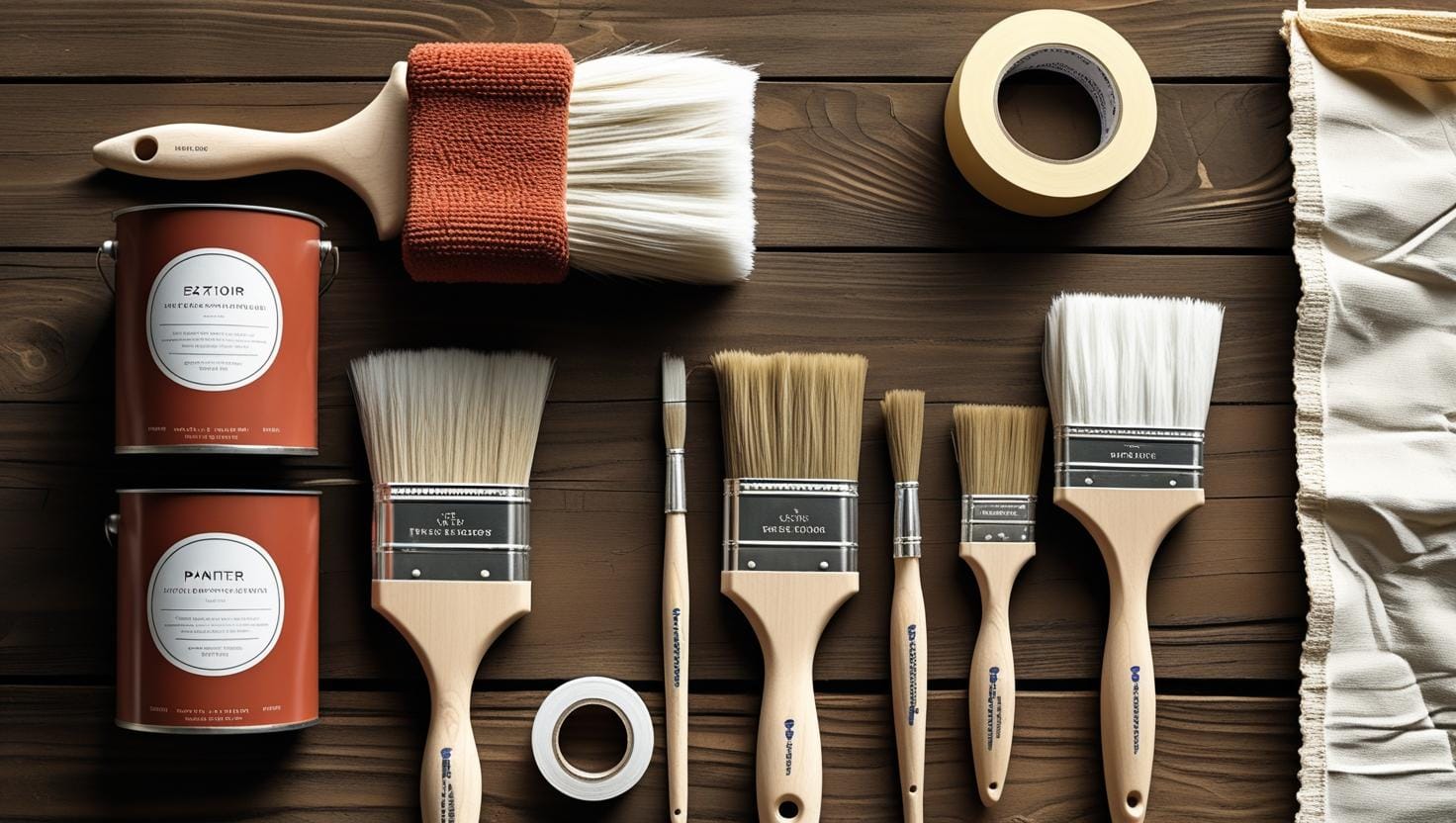
The best paint for chimney brick depends on whether the brick is indoors, outdoors, or exposed to high heat. For exterior fired-clay brick, prioritize a vapor-permeable mineral masonry coating and repair moisture problems first. For an interior decorative surround outside the firebox, use a compatible masonry primer and finish. Ordinary wall or exterior paint should never be applied inside a firebox.
Quick Selection Guide
| Surface | Starting point | Avoid |
|---|---|---|
| Exterior chimney brick | Breathable mineral masonry system approved for the brick and climate | Dense film-forming coating over damp or deteriorated masonry |
| Interior surround outside heat limits | Masonry-compatible primer and interior finish approved for expected temperature | Painting over soot, wax, dust, or efflorescence |
| Firebox interior | Only a product specifically rated and approved for that firebox application | Ordinary latex, acrylic, or decorative masonry paint |
| Metal fireplace component | Model-approved high-temperature coating or replacement part | Using brick paint on metal doors, louvers, or inserts |
Should Exterior Chimney Brick Be Painted?
Sound fired-clay brick normally has a durable finished surface and does not need ordinary paint for protection. A heavy coating can trap moisture, hide deterioration, and create a permanent recoating cycle. Painting is an appearance choice, not a repair for leaking or spalled masonry.
The Brick Industry Association discusses compatible ways of changing the appearance of brick masonry and cautions about moisture behavior. Review current manufacturer and masonry guidance for the exact brick.
Why Breathability Matters
Exterior masonry absorbs and releases moisture. A vapor-permeable mineral coating can allow drying more readily than a dense film. “Breathable” is not a universal guarantee: surface preparation, previous coatings, joints, climate, and water sources still affect performance.
Do not apply paint to stop an active leak. Water may enter through flashing, the crown, cap, mortar joints, porous units, or roof intersections. Read our guide to identifying chimney flashing leaks.
Fix These Problems Before Painting
- Loose, cracked, or missing mortar
- Spalled, soft, or fractured brick
- Efflorescence or persistent dampness
- Failed crown or wash
- Loose cap or damaged termination
- Failed roof and counterflashing
- Existing peeling or incompatible coating
- Structural movement or leaning
Coating defective masonry can make diagnosis harder and may accelerate hidden damage.
Interior Fireplace Surrounds
Brick around a fireplace, but outside the firebox and manufacturer-defined hot zones, can often be painted after correct cleaning and preparation. Confirm the surface-temperature limits for the primer and finish. Fireplace inserts and metal surrounds may transfer heat differently than the original open fireplace.
Remove dry dust and soot using methods suitable for the masonry. Grease, wax, smoke residue, and cleaner residue can interfere with adhesion. Allow the brick to dry fully before priming.
Never Use Ordinary Paint Inside the Firebox
The firebox is exposed to flame and extreme temperature changes. Ordinary latex, acrylic, masonry, or exterior house paint can discolor, peel, smoke, or release unwanted fumes. If a coating is considered, it must be specifically approved by its manufacturer for firebox interiors and the expected temperature.
Cracked firebrick or failed refractory joints should be repaired as a firebox system, not concealed under paint. A qualified fireplace professional can determine whether units or joints need replacement.
Mineral Paint, Acrylic Paint, Limewash, or Stain?
| Finish | Appearance | Main consideration |
|---|---|---|
| Mineral masonry paint | Opaque, matte masonry finish | Substrate compatibility and mineral preparation requirements |
| Acrylic masonry paint | Uniform film in many colors | Moisture can be trapped if the wall cannot dry |
| Limewash | Soft, varied, traditional look | Appearance changes with coats and weathering; substrate matters |
| Masonry stain | Color change while retaining texture | Absorption and final color vary by brick |
| Clear water repellent | Little visible color change | Not paint; must be vapor permeable and appropriate for vertical masonry |
Test the complete system in a discreet location. Brick porosity and previous treatments can produce uneven color.
Preparation Steps
- Identify the brick and all previous coatings.
- Correct water, crown, flashing, mortar, and structural defects.
- Remove loose coating using a method that does not damage the masonry.
- Clean soot, salts, dust, biological growth, and contaminants appropriately.
- Allow repairs to cure and masonry to dry as required.
- Test primer and finish for adhesion and appearance.
- Apply within the manufacturer’s temperature, humidity, and weather limits.
- Protect roof, metal, glass, vegetation, and adjacent finishes.
Aggressive sandblasting or high-pressure washing can damage brick faces and drive water into the chimney. Use the gentlest effective cleaning method.
Primer and Application
Use the primer specified by the coating manufacturer for the exact masonry and exposure. Some mineral systems require their own preparatory coat; some stains require bare absorbent brick. Mixing brands can void system performance claims.
Follow spread rate, film thickness, recoating time, and curing instructions. Thick extra coats are not automatically more protective and may reduce vapor movement.
Exterior Maintenance
Inspect painted masonry for peeling, blistering, cracks, efflorescence, dark damp areas, and open joints. Do not simply recoat a failure. Identify whether the cause is water entry, incompatibility, poor preparation, or movement.
For moisture control options, review our chimney waterproofing methods. Water repellent should not be applied over unsound or saturated masonry.
Buying Checklist
- Approved for interior or exterior location
- Compatible with fired-clay brick and existing coating
- Suitable vapor permeability for exterior masonry
- Temperature rating appropriate for the surface
- Primer, cleaning, and curing instructions available
- Color tested on the actual brick
- Weather window suitable for application
- Repair and water-entry sources corrected first
Related Masonry Guide
If mortar joints are failing, choose a compatible repair before coating. Our chimney mortar guide explains the main differences.
Frequently Asked Questions
Can I use exterior house paint on a chimney?
It may form an inappropriate moisture-trapping film. Use a masonry system approved for the brick and exposure after water problems are corrected.
Can paint waterproof a leaking chimney?
No. Paint may hide symptoms while water continues entering through flashing, the crown, cap, joints, or damaged brick.
Can I paint over efflorescence?
No. Efflorescence indicates moisture movement and salts. Identify the source, clean appropriately, and allow the masonry to dry before coating.
What paint can go inside a firebox?
Only a coating specifically approved for firebox use and its temperature range. Ordinary wall and masonry paint should not be used.
Is limewash better than paint?
It can provide a breathable traditional finish, but it has a different appearance and weathering behavior. Suitability depends on the substrate, desired result, and exposure.