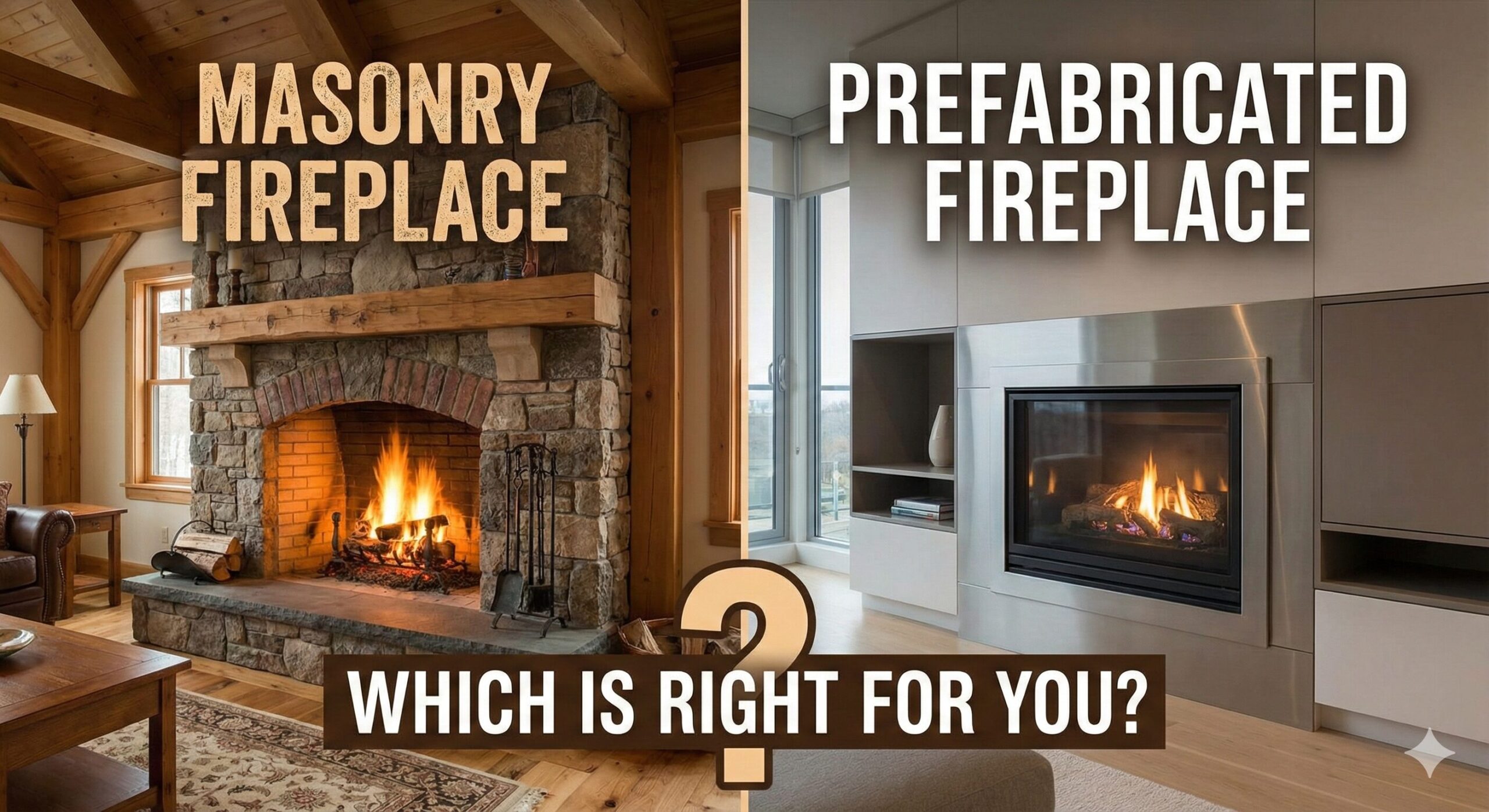
Masonry Fireplace vs. Prefabricated: The Ultimate Hearth Showdown
The fireplace has long been the centerpiece of the home—a gathering spot for warmth, comfort, and ambiance. But for modern homeowners, builders, and renovators, the terminology can be confusing. When you envision a fireplace, are you picturing a massive brick structure built by a skilled mason, or a sleek, factory-engineered metal firebox installed into a framed wall?
This distinction—Masonry Fireplace vs. Prefabricated Fireplace—is the single most important factor in determining the cost, maintenance, efficiency, and longevity of your heating system. Choosing the wrong one can lead to draft issues, astronomical installation bills, or disappointment in heat output.
In this detailed guide, we will strip away the jargon. We will explore the structural differences, analyze the heating efficiency, and help you decide which hearth is right for your sanctuary. Whether you are looking for winter home comfort tips or planning a major construction project, this comparison is your starting point.
At a Glance: The Quick Comparison
Before diving into the deep mechanics of fireboxes and flues, let’s look at the high-level differences between these two contenders.
| Feature | Masonry Fireplace | Prefabricated (Zero-Clearance) |
|---|---|---|
| Construction Material | Brick, Stone, Mortar, Clay Tile | Sheet Metal, Cast Iron, Refractory Panels |
| Installation Cost | $$$$ (Very High, $10k – $30k+) | $$ (Moderate, $2k – $8k) |
| Lifespan | Generations (50-100+ years) | Limited (15-30 years) |
| Foundation Required | Yes (Heavy concrete footing) | No (Standard floor framing) |
| Heat Efficiency | Low (-10% to 15%) | Moderate to High (up to 70% with blowers) |
| Maintenance | Tuckpointing, Waterproofing | Panel replacement, Rust prevention |
What is a Masonry Fireplace?
A masonry fireplace is what most people consider “traditional.” It is constructed entirely on-site by a mason using bricks, blocks, or stone, held together by mortar. It is not an appliance you buy in a box; it is a structural part of your home.
Because of the immense weight (often ranging from 6 to 10 tons), masonry fireplaces require a substantial concrete footing poured into the ground to support the load. The chimney is usually built with a clay tile liner surrounded by brick or stone.
The Pros of Masonry
The primary draw of masonry is durability and aesthetics. A well-built brick fireplace can last for a century or more. While the mortar may eventually crack and need repair—using the best mortar for chimney maintenance—the structure itself is incredibly resilient.
Additionally, they add significant value to a home. Real estate agents often highlight a “real stone fireplace” as a premium feature. They can handle hotter fires (within reason) and accept larger logs than many prefab units.
The Cons of Masonry
They are notoriously inefficient. Masonry absorbs heat but also conducts it poorly into the room. In fact, many open masonry fireplaces have a negative efficiency rating, meaning they pull more warm air out of your house through the chimney than they provide in radiant heat. This leads to the classic debate of wood stove vs fireplace heating, where the masonry fireplace usually loses.

Upgrade Your Masonry Hearth
Improve airflow and combustion in your traditional fireplace with a heavy-duty steel grate.
Check Price on AmazonWhat is a Prefabricated Fireplace?
A prefabricated (or “prefab”) fireplace is a metal box manufactured in a factory. It includes a firebox, a specific chimney system (usually air-cooled metal pipes), and exterior casing. These are often called “zero-clearance” fireplaces because their insulation allows them to be installed very close to combustible materials like wood framing and drywall.
If your home was built after the 1980s, there is a high probability you have a prefab unit. You can usually tell by looking at the firebox; if the walls look like refractory panels (mimicking brick) rather than actual individual bricks, it is likely a prefab.
The Pros of Prefab
Efficiency and cost are the winners here. Prefab units often come with circulating fans or blowers that push heat into the room. When comparing electric fireplace vs wood fireplace options, a high-efficiency prefab wood burner bridges the gap between ambiance and utility.
Installation is fast. A professional team can frame and install a prefab unit in a day or two, whereas a masonry chimney takes weeks of skilled labor.
The Cons of Prefab
Longevity is the issue. The metal firebox will eventually rust or warp. The refractory panels inside will crack and need replacement. Unlike masonry, which can be repaired indefinitely, a prefab unit has a lifespan of 20 to 30 years before the entire system typically needs to be ripped out and replaced.
Head-to-Head Comparison
1. Heating Efficiency
Winner: Prefabricated
Traditional masonry fireplaces are heat sinks. They suck warm indoor air up the chimney to create a draft. If you notice fireplace draft problems, it is often due to the massive volume of air a masonry flue requires. Prefab units are engineered with air circulation in mind. Many are designed to burn wood more completely, reducing ash and increasing heat output.
However, you can improve a masonry fireplace by installing an insert. If you are confused about the difference, check our guide on fireplace vs insert.
2. Safety and Chimney Fires
Tie (Dependent on Maintenance)
Both systems are safe if maintained, but they fail differently.
- Masonry: Dangerous if the clay liner cracks, allowing heat to touch the home’s framework. You must know the chimney fire signs and inspect the liner regularly.
- Prefab: Dangerous if the metal chimney pipes separate or if the chase cover rusts, allowing water to rot the wood framing. Rust is a major enemy here.
Regardless of type, you need to know how to put out a chimney fire and keep a fire extinguisher nearby.
3. Maintenance and Water Damage
Winner: Prefab (Slightly)
Masonry is porous. Bricks soak up water like a sponge. If you don’t apply the best chimney flashing sealant and waterproofing, you will get leaks. Learning how to waterproof a chimney is essential for brick owners.
Prefab chimneys use stainless steel caps and chase covers. While these can rust, they are generally more watertight initially. However, checking best chimney caps for rain is vital for both systems to prevent rusting fireboxes.
4. Wildlife Intrusion
Winner: Tie
Raccoons and birds don’t care if your chimney is brick or metal; they just want warmth. A masonry chimney often has a rougher interior (flue tiles), making it easier for animals to climb down (and hopefully back up). Metal flues are slippery, meaning animals often get trapped and die.
If you hear scratching, you might be asking how do I get a raccoon out of my chimney? Or worse, how long for a bird stuck in chimney to die? The solution for both is a high-quality chimney cap with a mesh screen.

Protect Your Investment
Keep rain, raccoons, and birds out with a universal stainless steel chimney cap.
Check Price on AmazonCleaning and Fuel Considerations
Whether you have a masonry or prefab unit, the fuel rules remain the same. You must burn properly seasoned wood. Burning wet wood creates creosote—a tar-like substance that causes fires. Always understand the difference between seasoned vs unseasoned firewood.
Sweeping the Chimney
Cleaning methods differ.
- Masonry: Requires stiff steel brushes to scrape the clay tiles.
- Prefab: Requires a poly (plastic) brush. A steel brush will scratch the inner metal liner, creating spots for rust to form. If you are DIYing, ensure you buy the best chimney brush for stainless steel liner.
For deep cleaning, especially if you have glazed creosote, you might wonder what to burn to clean a chimney. While some logs help, manual sweeping is irreplaceable. We recommend checking how often should you clean a chimney to stay safe.
Summary: Pros and Cons
- Lasts 50-100+ years with maintenance.
- Increases home resale value significantly.
- Can handle hotter fires and larger logs.
- Classic, custom aesthetic appeal.
- Structure can be repaired/repointed.
- Extremely expensive to build ($15k+).
- Requires a heavy concrete foundation.
- Poor heat efficiency (often loses heat).
- Porous brick requires regular waterproofing.
- Difficult to retrofit into existing homes.
- Much more affordable ($3k-$8k installed).
- Easy to install in new or existing homes.
- Higher heating efficiency (blowers/circulators).
- Lightweight (no heavy foundation needed).
- Tested and rated for specific safety standards.
- Shorter lifespan (15-30 years).
- Parts (panels, chase covers) rust and warp.
- Cannot use “any” grate or door; must use OEM parts.
- Replacement often requires tearing open the wall.
- Usually smaller firebox size.
The Final Verdict: Which One Should You Choose?
The choice between a masonry fireplace and a prefabricated unit usually comes down to budget and longevity goals.
Choose a Masonry Fireplace if: You are building your “forever home” and want a timeless architectural feature that adds value. You have a flexible budget and are willing to invest in the best paint for chimney brick or regular tuckpointing to keep it looking pristine.
Choose a Prefabricated Fireplace if: You are renovating an existing home, adding a fireplace to a second story, or prioritizing heating efficiency over custom masonry work. It is also the go-to choice for budget-conscious builders who still want the ambiance of a real wood fire.
Whichever you choose, remember that fire is a living element in your home. It demands respect, maintenance, and the right fuel. From selecting the best firewood for fireplace use to hiring the best chimney services for annual inspections, your safety depends on your diligence.
Ready to Start Your Fireplace Journey?
Find the best tools, screens, and maintenance kits to keep your hearth safe and warm.
Browse Fireplace Accessories on AmazonFrequently Asked Questions
1. Can I replace a prefab fireplace with a masonry one?
Technically yes, but it is structurally difficult and expensive. You would need to pour a new concrete foundation under the house to support the massive weight of the brick, which involves cutting through floors and excavating.
2. Why is smoke coming into my house from my masonry fireplace?
This is often a draft issue caused by the “stack effect” or a cold flue. You might need to warm the flue before lighting, or you may have negative pressure in the house. Check our guide on fireplace smoke coming into house for solutions.
3. Can I install a TV above a prefab fireplace?
Yes, but prefab units have specific clearance requirements. Because they are often zero-clearance, people assume the wall stays cool, but heat still rises. Always follow the manufacturer’s manual regarding mantels and electronics.
4. How do I tell if I have a masonry or prefab fireplace?
Look at the firebox. If the back wall is made of genuine brick with mortar joints, it’s likely masonry. If the walls look like panels that simulate brick, or if you see metal vents above or below the opening, it is prefabricated.
5. Does homeowner’s insurance cover chimney repairs?
Typically, insurance covers sudden damage (like a lightning strike or a chimney fire) but not wear and tear. If your prefab unit rusts out, that is maintenance. For more details, read does homeowners insurance cover chimney repair.
6. What is the best wood to burn in a prefab fireplace?
Hardwoods like oak, maple, or ash are best. They burn hotter and cleaner. Avoid softwoods like pine, which create excessive creosote. See our breakdown of hardwood vs softwood firewood.
7. How does Santa get in without a chimney?
If you opt for a gas insert or a ventless system, this is a valid concern for the kids! Check out our fun explanation on how does Santa get in without a chimney.
8. Do prefab fireplaces need a chimney sweep?
Absolutely. Even though the pipe is metal, creosote still builds up. In fact, a chimney fire in a metal flue can warp the pipe, rendering it useless. Regular sweeping is non-negotiable.
9. Can I burn gas in a masonry fireplace?
Yes. You can install gas logs or a gas insert into a masonry firebox. You will need to check gas fireplace venting options and ensure the damper is clamped open for safety.
10. What do I do if my chimney is leaking?
Identify the source. Is it the cap, the flashing, or the brick itself? For masonry, you might need to fix cracks. For prefab, it might be the chase cover. Read how to fix a leaky chimney for a step-by-step approach.