Hardwood vs Softwood Firewood: Heat Output and Density
By Asphalt Legend
Posted on July 24, 2026
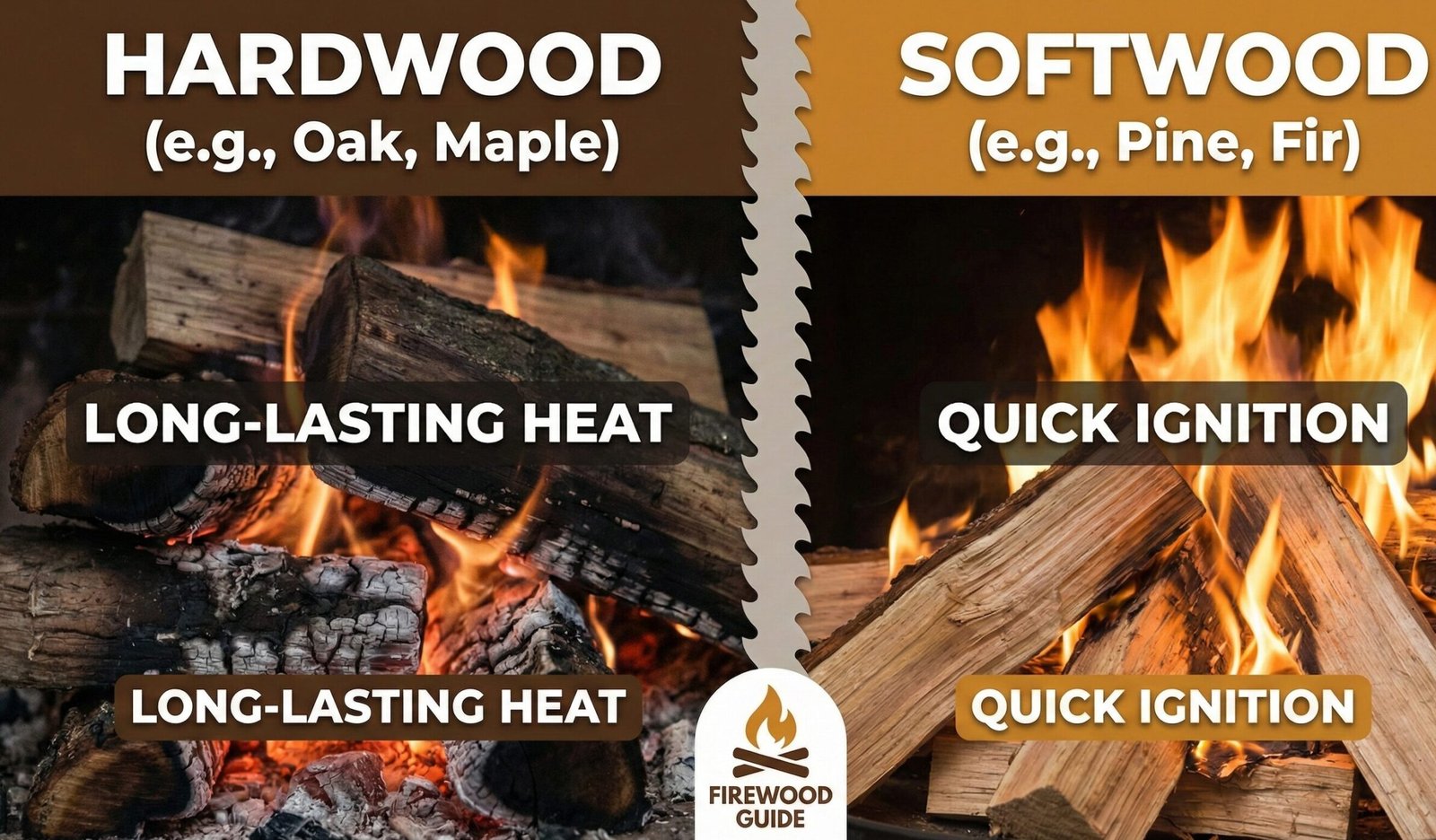
When winter arrives, the debate heats up: Hardwood or Softwood? For the seasoned wood burner, the answer isn’t simply one or the other. It is about physics, density, and knowing the right tool for the job. Choosing the wrong wood can lead to short burn times, wasted money, and dangerous accumulations in your flue. Whether you are stocking up for a wood stove or an open fireplace, this guide breaks down the complete science of combustion — covering BTUs, splitting, seasoning, storage, regional availability, and safety — so you can make the smartest fuel decision possible.
30M+
BTUs per cord — top hardwoods
20%
Max moisture for safe burning
128 ft³
Volume of one full cord
6–24
Months to season (varies by species)
The Science: It’s All About Density
Botanically, hardwoods are angiosperms — flowering plants like Oak, Ash, and Maple — which have a complex cellular structure built over decades of slow growth. Softwoods are gymnosperms — conifers like Pine, Spruce, and Fir — which grow faster and have a simpler, less dense structure. This botanical distinction is the foundation of every practical difference you will experience at the fireside.
Why does this matter? Fire is the rapid oxidation of carbon stored in wood. Because hardwood is denser, there is simply more fuel packed into every cubic inch. This translates directly to higher BTUs (British Thermal Units) per log, longer burn times, and superior coaling quality.
Here is a nuance that surprises many people: by weight, both hardwood and softwood produce roughly the same amount of energy — approximately 8,600 BTUs per pound of dry wood. The critical difference is what happens when you buy a cord. Because hardwood is so much denser, a single cord of seasoned oak can weigh nearly twice as much as a cord of pine — meaning you get far more heating potential for the same volume.
Key Concept: By weight, both woods produce roughly the same energy. But by volume (which is how we buy and load wood), hardwood wins every time because it packs more mass per cubic foot.
Additionally, softwoods contain higher concentrations of resins and volatile oils in their cellular structure. These compounds ignite quickly — which is why pine makes excellent kindling — but they also produce more combustion byproducts if burned at low temperatures. Understanding this chemistry is essential for anyone making decisions about what goes into their firebox.
At a Glance: The Tale of the Tape
Before you buy a cord, look at this breakdown. Note that burning green (wet) wood of any kind is a disaster. Always check our guide on seasoned vs. unseasoned firewood.
| Feature | Hardwood (Oak / Ash) | Softwood (Pine / Fir) |
|---|---|---|
| Density | High (Heavy) | Low (Light) |
| Ignition | Difficult to start cold | Very easy to start |
| Burn Time | Long, slow burn (Coals) | Fast, hot flash |
| BTU Output / Cord | 20–30+ million BTUs | 12–17 million BTUs |
| Soot / Smoke | Low (if properly seasoned) | Higher (resinous) |
| Creosote Risk | Lower | Higher |
| Splitting Ease | More difficult (dense grain) | Very easy (straight grain) |
| Seasoning Time | 12–24 months | 6–12 months |
| Cost per Cord | Higher | Lower / often free |
| Coaling Quality | Excellent | Poor |
| Spark / Pop Risk | Low | Moderate–High |
| Best For | Overnight heating, wood stoves | Kindling, campfires, shoulder seasons |
BTU Rankings by Species: Hardwood & Softwood Compared
Not all hardwoods are created equal — and the same holds true for softwoods. Below you will find the most commonly available firewood species ranked by their approximate heat output per cord. These figures assume properly seasoned wood at or below 20% moisture content.
Top Hardwoods by Heat Output
Black Locust
Hardwood · Deciduous
~26.8 million BTUs/cord
Dense, slow-burning, excellent coals. One of the hottest-burning woods available in North America. Difficult to split but worth the effort.
Hickory
Hardwood · Deciduous
~25–28 million BTUs/cord
The premium cooking and heating wood. Produces a distinctive, slightly smoky aroma. Excellent for both wood stoves and smokers.
White Oak
Hardwood · Deciduous
~24–26 million BTUs/cord
The gold standard of firewood. Widely available, splits cleanly, burns slow and hot. The benchmark against which all other firewood is measured.
Ash
Hardwood · Deciduous
~20–24 million BTUs/cord
The beginner-friendly hardwood. Ash splits easily, seasons faster than oak (sometimes as little as 12 months), and burns cleanly with minimal smoke.
Sugar Maple
Hardwood · Deciduous
~24–26 million BTUs/cord
Dense and consistent. Produces a steady, even heat with low smoke output. Prized in the Northeast and Great Lakes regions.
Yellow Birch
Hardwood · Deciduous
~21–23 million BTUs/cord
Excellent all-around firewood. The papery bark catches fire easily, making birch a great “bridge” between kindling and main fuel logs.
Common Softwoods by Heat Output
Douglas Fir
Softwood · Conifer
~20–21 million BTUs/cord
One of the best softwoods available. Significantly denser than pine, it bridges the gap with lower-grade hardwoods. Popular in the Pacific Northwest.
Western Larch
Softwood · Conifer (deciduous)
~21–22 million BTUs/cord
A rare deciduous conifer that loses its needles. Denser than most softwoods, it burns more like a hardwood and is highly sought-after in the Mountain West.
Eastern White Cedar
Softwood · Conifer
~12–13 million BTUs/cord
The king of kindling. Extremely low-density but ignites instantly and produces intense initial heat. Ideal for fire-starting; not for sustained heating.
Ponderosa Pine
Softwood · Conifer
~15–16 million BTUs/cord
Common in Western states. High resin content means it burns fast and bright but deposits more creosote. Must be burned hot and with well-seasoned wood only.
Note: BTU values vary based on the specific subspecies, region of growth, and moisture content at the time of burning. The figures above represent approximate values for properly seasoned wood.
Deep Dive: Hardwood (The Marathon Runner)
Hardwood is the gold standard for home heating. It burns calmly, creates a long-lasting bed of coals, and requires reloading less often. A properly loaded firebox of seasoned oak can maintain comfortable temperatures for 6–8 hours, making overnight burns in a wood stove not just possible, but practical.
The Pros
- Highest BTU output per cord.
- Excellent “coaling” properties for overnight burns.
- Less creosote buildup when seasoned properly.
- Fewer sparks and pops — safer for open fireplaces.
- Dense coals retain and radiate heat long after flames die down.
- Cleaner burns produce less residue in the firebox.
The Cons
- More expensive to purchase per cord.
- Takes 12–24 months to properly season.
- Harder to ignite without good kindling.
- Heavier to handle, stack, and haul indoors.
- Dense grains can be difficult to split by hand.
Common hardwoods include Oak, Ash, Maple, Hickory, and Birch. If you are harvesting your own, ensure you have proper firewood storage ideas implemented, as Oak can rot if left on the ground before it dries.
The Coaling Advantage
One of hardwood’s most underappreciated qualities is its superior coaling ability. When hardwood burns, it does not simply produce ash and gas. Dense species like oak and hickory form deep beds of glowing charcoal that continue radiating intense heat for hours after active flames have subsided. This is critical for wood stove users who want to load the firebox before bed and wake up to a warm house with lingering coals that can restart a new fire instantly.
Softwoods, by contrast, burn completely — producing little more than fine ash and almost no useful coals. For anyone serious about home heating efficiency, this difference alone makes hardwood worth the premium price.
Deep Dive: Softwood (The Sprinter)
Softwood gets a bad reputation, often accused of causing chimney fires. While it is true that resinous softwoods create more creosote under low-temperature conditions, they are indispensable for starting fires and for “shoulder season” heating in spring and fall when you just want to take the chill off a room without a multi-hour oak burn.
The Pros
- Ignites almost instantly — perfect for kindling.
- Seasons very quickly (often ready in one summer).
- Cheaper to buy, often available for free.
- Creates intense, rapid initial heat.
- Easy to split by hand or with a maul.
- Aromatic species like cedar and piñon add pleasant scent.
The Cons
- Burns away rapidly (frequent reloading required).
- High resin content creates more soot and potential creosote.
- Pops and sparks — requires a fireplace screen.
- Poor coaling quality — fire dies quickly.
- Not suitable as a primary heating fuel.
However, there are serious risks. Certain treated softwoods — like construction scraps, pressure-treated lumber, or painted boards — are extremely dangerous to burn. Read our guide on what wood not to burn in a fireplace to avoid toxic fumes and potential chemical poisoning.
The Resin Myth: Clarified
There is a widespread misconception that softwood resin is inherently more dangerous than hardwood sap. In reality, any wood burned at low temperatures will create creosote — regardless of whether it is hardwood or softwood. The key variable is combustion temperature. When softwood is burned hot, with good draft and in a well-sized firebox, it can actually produce a clean burn with manageable creosote deposits. The danger comes from smoldering softwood fires at low temperatures, where incomplete combustion condenses resinous compounds on cool flue surfaces.
This nuance is important for modern wood stove owners using EPA-certified appliances. These stoves are designed to maintain high combustion temperatures through secondary burn chambers, which significantly reduces the creosote risk of burning softwood compared to older, inefficient stove designs.
Splitting: Hardwood vs. Softwood
How a wood splits is one of the most practically important — and rarely discussed — differences between hardwood and softwood. Understanding this before you pick up an axe can save you a tremendous amount of effort and frustration.
Why Softwood Splits Easily
Softwood has a relatively simple, straight grain structure. Conifers like pine, fir, and spruce grow quickly and lay down fibers in long, parallel rows. When you bring a maul down on a pine round, the grain acts almost like a natural guide, and the wood separates cleanly with minimal resistance. This makes softwood the preferred choice for anyone cutting their own firewood with a hand maul or for splitting smaller kindling pieces with a Kindling Cracker.
Why Hardwood Can Be Challenging
Hardwood species like oak, hickory, and elm often have complex, interlocked grain patterns. The wood fibers do not run in neat parallel rows — instead they twist and interlock in ways that resist splitting. Some species, like elm, are notoriously difficult to split by hand and almost require a hydraulic log splitter. Others, like ash and birch, are much more cooperative. Ash in particular is often described as the most “splitter-friendly” hardwood, which adds to its popularity among those who process their own wood.
Easiest Hardwoods to Split
- Ash — Straight grain, splits with ease
- Birch — Moderate grain, clean splits
- Cherry — Splits cleanly when green
- Walnut — Relatively cooperative grain
Hardest Hardwoods to Split
- Elm — Interlocked grain, notorious
- Black Locust — Dense and stringy
- Sycamore — Twisted, resistant fibers
- Red Gum — Cross-grain structure
Pro Splitting Tips
1
Split green, not dry. Most hardwoods split significantly more easily when freshly cut. Once they dry, the fibers lock together. If you are processing your own oak, split it immediately after felling.
2
Work with frozen wood. In cold climates, frozen hardwood splits more easily than room-temperature wood. The ice within the cells helps the wood fracture along its grain lines.
3
Aim for the edges. Do not always strike the center of a round. Aim for natural cracks in the end grain and work from the outside inward on large rounds.
4
Use a splitting maul, not an axe. A maul (heavier, with a wedge-shaped head) is designed to split; a felling axe is designed to cut across grain. Using the wrong tool makes the job significantly harder.
5
Consider a hydraulic splitter for large volumes. If you process more than two cords per season, a hydraulic log splitter pays for itself in saved time and effort — especially for difficult hardwood species.
Seasoning vs. Kiln-Dried: What’s the Difference?
The single most important factor in firewood quality — more important than species, more important than whether it is hardwood or softwood — is its moisture content. Wet wood does not burn efficiently. It hisses, steams, produces excessive smoke, and deposits creosote rapidly. Understanding your seasoning options is essential before spending money on firewood.
Traditional Air-Seasoning
Air-seasoning is the process of stacking freshly cut wood in a dry, well-ventilated location and allowing time and airflow to reduce the wood’s moisture content naturally. The process works by exposing the cut ends of the wood to moving air, which draws water out through the open vascular channels that once transported sap through the living tree.
| Species | Type | Minimum Seasoning Time | Ideal Seasoning Time |
|---|---|---|---|
| Ash | Hardwood | 6–12 months | 12 months |
| Birch | Hardwood | 12 months | 12–18 months |
| Oak | Hardwood | 18 months | 24 months |
| Hickory | Hardwood | 18 months | 24+ months |
| Maple | Hardwood | 12 months | 18 months |
| Pine | Softwood | 6 months | 9–12 months |
| Cedar | Softwood | 4–6 months | 6 months |
| Douglas Fir | Softwood | 6–9 months | 12 months |
Kiln-Dried Firewood
Kiln-drying is the industrial process of placing green wood in a temperature-controlled chamber and using heat to drive out moisture rapidly — typically reducing it to below 20% in a matter of days rather than months. Kiln-dried firewood offers several significant advantages:
Kiln-Dried Advantages
- Guaranteed low moisture content — no guessing required.
- Burns immediately upon purchase — no waiting.
- Kills insects and larvae in the wood (no pest introduction).
- Lighter weight — easier to handle and transport.
- Highly consistent burn quality and predictable BTU output.
Kiln-Dried Disadvantages
- Significantly more expensive than air-seasoned wood.
- Can absorb moisture quickly if stored improperly after purchase.
- Not always available locally — may require shipping.
- Some argue over-dried wood burns “too fast” in open fireplaces.
For most homeowners, air-seasoned hardwood purchased from a reputable local supplier represents the best balance of cost and quality. The key is verifying moisture content with a meter before loading it into your appliance — never trust visual inspection alone.
“The wood you burn is only as good as its moisture content. The best species burned wet is far worse than a mediocre species burned properly seasoned.”
How to Test Wood Moisture Content
Knowing whether your wood is truly ready to burn is one of the most valuable skills a wood burner can develop. Fortunately, it does not require expensive equipment or specialized knowledge. There are several reliable methods — ranging from free visual checks to inexpensive electronic meters.
Method 1: The Moisture Meter (Most Reliable)
A digital pin-type moisture meter is the gold standard. You simply press the two metal pins into a freshly split face of the wood (not the outer bark) and read the percentage displayed. For safe, efficient burning, you want a reading of 20% or below. Premium hardwood burners aim for 15% or less. A good moisture meter is an inexpensive investment that pays for itself immediately by preventing wasted firewood purchases.
Method 2: Visual and Physical Checks
Well-seasoned wood shows several reliable visual signs:
- End grain cracks: Radial cracks spreading out from the center indicate significant drying has occurred.
- Bark loosening: Seasoned wood often has bark that peels or falls off easily.
- Gray or darkened appearance: Fresh wood has a bright color; seasoned wood turns gray or darker at the ends.
- Reduced weight: A seasoned log feels noticeably lighter than a green log of the same species and size.
- Hollow sound: Knock two pieces of seasoned wood together — they produce a sharp, hollow “clunk.” Green wood produces a dull “thud.”
Method 3: The Burning Test
If wood hisses, steams, or struggles to ignite even with good kindling and airflow, it contains too much moisture. Properly seasoned wood catches quickly on a hot coal bed and burns with yellow-orange flames rather than sluggish, dark-smoking flames.
Never trust the seller’s claim alone. “Seasoned” is a term with no legal or industry standard definition. Always verify moisture content yourself. Green wood sold as seasoned is one of the most common consumer complaints in the firewood industry.
Firewood Storage Best Practices
Proper storage is not just about keeping wood dry — it is about actively completing the seasoning process for freshly cut wood, and preserving the dryness you have already achieved in seasoned wood. Poor storage can ruin an entire cord of wood in a single wet season.
1
Elevate off the ground. Wood stored directly on soil absorbs ground moisture, promotes rot from the bottom up, and provides easy access for termites and other wood-boring insects. Use pallets, purpose-built log racks, or treated lumber rails to keep all wood at least 4–6 inches above ground level.
2
Stack with the cut ends facing out. Moisture exits wood primarily through the end grain. Orienting cut ends outward maximizes airflow and accelerates drying. This is especially important for oak and hickory, which have very dense end grain.
3
Ensure good airflow on all sides. Avoid stacking wood tightly against a wall or fence, which traps moisture and promotes mold. Leave at least 3–4 inches of space between the back of the stack and any solid surface.
4
Cover only the top. A common mistake is covering an entire stack with a tarp, which traps moisture inside and defeats the purpose of seasoning. Cover only the top third of the stack to shed rain while allowing sides to breathe freely.
5
Keep away from your home’s foundation. Firewood stacked against the house — while convenient — is an invitation for carpenter ants, termites, and other pests to migrate into your structure. Store main supplies at least 20–30 feet from the house and keep a small indoor rack for 1–2 days’ supply only.
6
Separate hardwood and softwood stacks. This makes it easy to grab the right wood for kindling versus sustained heating without digging through a mixed pile.
Pro Storage Tip: If you are seasoning freshly cut wood, split it to your final firebox size before stacking. Split wood dries 3–4 times faster than whole rounds because the inner heartwood is exposed to air on multiple surfaces.
Buying Guide: Cord vs. Face Cord vs. Rick
Buying firewood is more complex than it appears. The firewood industry uses several units of measurement — some standardized, some informal — and understanding them protects you from overpaying or receiving less wood than you expected.
| Unit | Dimensions | Volume | Notes |
|---|---|---|---|
| Full Cord | 4 ft × 4 ft × 8 ft | 128 cubic feet | The legal standard in most U.S. states. Always request this unit when possible. |
| Face Cord / Rick | 4 ft × 8 ft × (log length) | Varies (42–64 cu ft) | One-third of a cord if logs are 16″ — but log length varies by seller. Always clarify. |
| Thrown Cord | 4 ft × 4 ft × 8 ft | ~180 cubic feet loose | Loose-thrown wood in a truck bed or bin. Contains significant air gaps. Much less actual wood than a stacked cord. |
| Bundle | Varies | ~0.75 cubic feet | Convenience product for campfires. Extremely expensive per BTU — do not use for home heating. |
How Much Wood Do You Actually Need?
The answer depends on your climate, home size, insulation quality, and how frequently you use your fireplace or stove. As a general guide:
Supplemental Heating
Burning 3–4 evenings per week in a mild climate (zones 6–7).
1–2 cords per season
Primary Heating Source
Daily burning as the main heat source in a cold climate (zones 4–5).
4–6 cords per season
Shoulder Season / Ambiance
Occasional evening fires in an open fireplace, spring and fall only.
0.5–1 cord per season
Smart Buying Tips
- Buy in spring or early summer for the next winter season. Summer availability means lower prices and maximum time for any additional seasoning.
- Ask to see the wood stacked before payment. A reputable seller will stack the cord so you can verify dimensions.
- Test moisture on the spot with your moisture meter before accepting delivery.
- Request species disclosure. A seller claiming to sell “hardwood mix” without specifying species may be blending lower-quality wood with premium oak or hickory.
- Compare prices by BTU, not by cord. A cord of black locust at a premium price may actually cost less per million BTUs than cheap pine at a bargain price.
Regional Firewood Availability Guide
The best firewood is the one that grows locally. Transportation costs significantly affect price, and fresh local wood is almost always better than shipped alternatives. Here is a breakdown of what is commonly available and recommended by region across North America.
Northeast & New England
Best hardwoods: Sugar Maple, Yellow Birch, Beech, Ash
Available softwoods: White Pine, Eastern White Cedar (excellent for kindling). The region’s temperate hardwood forests make it ideal territory for premium firewood.
Mid-Atlantic & Southeast
Best hardwoods: White Oak, Red Oak, Hickory, Black Locust
High humidity means extra seasoning time is critical. Oak and hickory dominate this region and are widely available from local suppliers.
Mountain West & Rockies
Best options: Western Larch, Douglas Fir, Gambel Oak
True hardwoods are scarce. Western Larch and Douglas Fir are the premium heating fuels in this region and perform significantly better than other local softwoods.
Pacific Northwest
Best options: Madrone (Pacific Arbutus), Alder, Douglas Fir
Madrone is the region’s prized hardwood — extremely dense, excellent BTU output. Alder is a widely available, clean-burning local option that bridges softwood and hardwood performance.
Great Plains & Midwest
Best hardwoods: Osage Orange (Hedge Apple), White Oak, Ash
Osage Orange is the BTU champion of the Plains — it burns so hot some people mix it with other wood to moderate temperature. Widely available from windbreaks and farm trees.
Southwest
Best options: Mesquite, Piñon Pine, Pecan
Mesquite is an exceptional heating and cooking hardwood native to the region. Piñon Pine is prized for its distinctive aroma — popular for outdoor fires and limited indoor use.
Choosing by Use Case: Which Wood for Which Fire?
The right firewood depends entirely on what you are trying to accomplish. A log that excels in a wood stove may be a poor choice for a campfire, and vice versa. Here is how to match wood type to application.
| Use Case | Recommended Wood | Why |
|---|---|---|
| Wood Stove (Primary Heat) | Dense hardwood — Oak, Hickory, Maple | Long burn time, excellent coaling, sustained BTU output for overnight heating. |
| Open Fireplace (Ambiance) | Moderate hardwood — Ash, Birch, Cherry | Clean-burning, low spark output, pleasant flame appearance and aroma. |
| Fireplace Insert | Seasoned hardwood mix | Inserts benefit from consistent hardwood burns; mix with birch for easy starting. |
| Kindling (Fire Starting) | Softwood — Cedar, Pine splits | High resin content catches quickly, generates immediate intense heat to establish draft. |
| Campfire (No Cooking) | Softwood or mixed | Fast ignition, good flames, aesthetically pleasing — creosote not a concern outdoors. |
| Shoulder Season (Quick Warm) | Softwood or light hardwood | Fast heat without committing to a multi-hour hardwood burn. Cedar or birch work well. |
| Outdoor Fire Pit | Any seasoned wood | Creosote is irrelevant outdoors. Choose for aesthetics, aroma, or availability. |
Wood Stove vs. Open Fireplace: A Critical Distinction
Many people treat these two appliances as interchangeable, but they have fundamentally different operating principles that affect which wood works best. A wood stove is an enclosed combustion chamber designed to operate at controlled temperatures with regulated air supply. This means it can efficiently burn hardwood at sustained temperatures, maximizing BTU extraction and minimizing creosote.
An open fireplace, by contrast, has no air control and pulls enormous volumes of room air up the chimney. Much of the heat generated goes straight up the flue rather than into the room. For open fireplaces, the emphasis shifts from sustained output to clean burning and low-spark production — which is why ash and birch are often recommended over ultra-dense hickory, which can be harder to manage in an open hearth setting.
Cooking & Smoking Wood: Flavor Profiles Explained
When it comes to cooking over wood — whether in a backyard smoker, a wood-fired pizza oven, or a campfire grill — species selection becomes about much more than BTUs. The aromatic compounds in wood smoke directly influence the flavor of food, and the wrong wood can ruin an expensive cut of meat or impart unpleasant bitterness.
Never cook over softwood. The resins in pine, fir, spruce, and cedar produce a harsh, acrid smoke that tastes terrible on food and may contain compounds that are harmful when ingested in food quantities. Always use hardwoods for cooking.
| Wood | Flavor Profile | Best With | Intensity |
|---|---|---|---|
| Hickory | Strong, bacon-like, bold | Pork ribs, beef brisket, bacon | Strong |
| Mesquite | Earthy, intense, slightly bitter | Beef steaks, fajitas, game meat | Very Strong |
| Apple | Sweet, fruity, mild | Pork, poultry, fish | Mild |
| Cherry | Sweet, slightly tart, mahogany color | Pork, poultry, duck | Medium |
| Oak | Neutral, clean, reliable | Brisket, sausage, lamb | Medium |
| Maple | Slightly sweet, light smoke | Poultry, pork, vegetables | Mild |
| Alder | Delicate, sweet, earthy | Fish (especially salmon), shellfish | Very Mild |
For pizza ovens and bread baking, oak is the most commonly recommended species because of its high, consistent heat output and neutral smoke profile. Fruit woods like apple or cherry can add pleasant complexity to pizza crust edges if used in small quantities.
Dangerous Woods: Never Burn These
Not every piece of wood that can physically be placed in a fireplace should be. Several species, treatments, and wood products produce toxic fumes when burned that pose serious health risks — ranging from respiratory irritation to potential chemical poisoning. This is a critical safety topic that every wood burner must understand.
CRITICAL SAFETY WARNING: The following materials should never be burned in any indoor fireplace, wood stove, or cooking fire. Some produce fumes that can be life-threatening in enclosed spaces.
Never Burn: Treated Wood
- Pressure-treated lumber — Contains arsenic compounds (CCA) and other preservatives that become toxic gases when burned.
- Painted or stained wood — Older paints may contain lead; all paints release toxic volatile organic compounds.
- Plywood and particleboard — Manufactured with formaldehyde-based adhesives that become carcinogenic fumes.
- Railroad ties — Saturated with creosote and other preservatives; produces intensely toxic smoke.
Never Burn: Toxic Species
- Pressure-treated lumber — Contains arsenic compounds (CCA) and other preservatives that become toxic gases when burned.
- Painted or stained wood — Older paints may contain lead; all paints release toxic volatile organic compounds.
- Plywood and particleboard — Manufactured with formaldehyde-based adhesives that become carcinogenic fumes.
- Railroad ties — Saturated with creosote and other preservatives; produces intensely toxic smoke.
Wood to Use With Caution
Some woods are not toxic but carry other concerns. Black Walnut, for example, contains juglone, which is harmless when burned but the smoke has a very pungent character some people find irritating. Eucalyptus burns hot but is extremely resinous and should be well-seasoned before indoor use. Elm burns adequately but is notorious for being nearly impossible to split and has an unpleasant odor when freshly cut.
The Winning Strategy: Mix Them!
The most efficient wood burners do not choose one side; they use both types in a deliberate sequence. Think of it as a three-stage rocket: each stage serves a specific purpose in getting the system to optimal performance.
1
Stage 1 — The Ignition: Use dry softwood kindling (Cedar or Pine splits) to establish draft and ignite the firebox. The high resin content catches quickly, and the rapid initial heat is essential for establishing the upward draft column in your flue. If you have fireplace draft problems, the intense initial heat of softwood helps punch through the cold air block that settles in the flue.
2
Stage 2 — The Build: Once kindling is burning strongly, add small splits of a medium-density wood — birch and ash are ideal. These bridge the gap between fragile kindling and heavy hardwood logs, building the coal bed that your main fuel logs need.
3
Stage 3 — The Sustain: Once the firebox is hot (over 400°F) and you have an established coal bed, load heavy Oak or Hickory splits. At this point the fire has enough thermal mass to properly ignite dense hardwood, which will sustain long, clean burns for hours.
4
Stage 4 — The Overnight Load: For wood stove users, before bed, load the largest hardwood splits you have. Reduce the air supply to a low setting and allow the stove to produce a slow, oxygen-limited burn. A solid coal bed will survive until morning in a quality stove.
For more insights on managing different wood types, check out this external comparison by Homefire.
Maintenance: Understanding Creosote
Creosote is the central safety concern of all wood burning, and understanding it is not optional — it is essential. Chimney fires caused by creosote ignition are one of the leading causes of house fires in the United States among wood-heating households. The good news is that creosote is entirely preventable with proper wood selection, burn practices, and maintenance.
The Three Stages of Creosote
Stage 1: Flaky Soot
Light, dusty, gray or black deposits. Easy to brush away. Produced by occasional cool fires or smoldering. Easiest to remove.
Stage 2: Tar-Like Glaze
Shiny, hard, or crunchy deposits. Requires chemical treatment or professional removal. Produced by consistent cool, smoldering fires.
Stage 3: Glazed Creosote
Dense, tar-like, extremely flammable. Near-impossible to remove without professional tools. Requires immediate professional intervention. Fire hazard.
Softwood creates more soot, and hardwood (if unseasoned) creates the glazed tarry deposits. Both lead to dangerous creosote accumulation — the fuel source for chimney fires. If you burn a mix, you must inspect your system regularly. How often should you clean a chimney? If burning pine regularly, inspect monthly during the burning season.
Prevention Strategies
- Always burn dry wood below 20% moisture content — this is the single most effective prevention measure.
- Maintain hot fires. Creosote forms when smoke cools before it exits the chimney. Burning hot prevents this condensation.
- Avoid smoldering overnight burns at excessively restricted air settings.
- Schedule annual professional sweeping, even if you burn clean hardwood consistently.
- Use a certified chimney sweep (CSIA-certified) who can identify stage 2 and 3 deposits before they become hazardous.
If you see “puffy” black deposits or shiny glaze, stop burning immediately. Learn the chimney fire signs and consider hiring one of the best chimney services for a professional sweep.
ommon Firewood Mistakes (And How to Avoid Them)
Even experienced wood burners fall into recurring patterns that reduce efficiency, increase maintenance costs, and sometimes create safety hazards. Here are the most common mistakes and how to correct them.
Burning Unseasoned Wood
The most common and costly mistake. Green wood produces steam, smokes excessively, delivers a fraction of its potential BTUs, and rapidly builds creosote. Fix: Always test moisture before burning. If above 20%, continue seasoning.
Stacking Wood Against the House
Convenient but dangerous. Firewood stacked against foundations invites termites, carpenter ants, and moisture issues into your home’s structure. Fix: Keep bulk supply 20–30 feet away; bring in only 1–2 days’ supply at a time.
moldering Fires at Low Temperatures
Restricting air too aggressively to “save wood” creates smoldering conditions — the primary cause of rapid creosote buildup. Fix: Burn hot and clean. A 2-hour hot fire is healthier for your chimney than an 8-hour smolder.
Covering the Entire Woodpile with a Tarp
Traps moisture inside and prevents the airflow needed for seasoning. Fix: Cover only the top of the stack; leave the sides open to allow evaporation.
Buying by Volume Without Checking Species
A cord of poplar delivers dramatically fewer BTUs than a cord of oak at the same price. Fix: Always ask specifically which species are in the load and calculate cost per BTU before buying.
Skipping Annual Chimney Inspections
Even “clean” hardwood burning produces deposits over time. Annual inspection catches issues before they become fires. Fix: Schedule a CSIA-certified sweep and inspection every burning season without exception.
Environmental Impact: Is Wood Burning Sustainable?
This is a question that increasingly affects policy and personal choice among conscientious homeowners. The environmental calculus of wood burning is more nuanced than either its advocates or critics often acknowledge.
The Carbon Neutrality Argument
Wood is often described as “carbon neutral” on the grounds that the CO₂ released during burning is the same CO₂ that the tree absorbed during its lifetime. In theory, a sustainably managed forest that replaces harvested trees creates a closed carbon cycle. However, this argument has important time-scale caveats: the CO₂ is released immediately upon burning, while the replacement tree may take decades to reabsorb the equivalent amount. For this reason, wood burning is better described as “carbon cycling” rather than strictly carbon neutral.
Particulate Emissions: The Real Concern
The more pressing environmental and health concern with wood burning is particulate matter (PM2.5) emissions — microscopic particles produced by incomplete combustion. These particles are linked to respiratory illness and are a regulated air pollutant in many jurisdictions. The good news is that burning properly seasoned wood in an EPA-certified wood stove dramatically reduces PM2.5 emissions compared to open fireplaces or older stove designs.
Hardwood vs. Softwood: Environmental Comparison
Hardwood Considerations
- Slow growth means higher per-tree carbon value.
- Old-growth hardwood should never be used as firewood.
- Second-growth managed hardwood forests are genuinely sustainable.
- Cleaner combustion = lower PM2.5 output per BTU.
Softwood Considerations
- Faster growth makes softwood more easily renewable.
- Plantation-grown softwood is widely available sustainably.
- Higher resin emissions contribute more to air quality issues.
- Better used as a kindling supplement than primary fuel.
The most environmentally responsible approach is to use locally sourced, sustainably harvested wood in an EPA-certified appliance with properly seasoned fuel. This combination minimizes both transportation emissions and combustion byproducts while maximizing heating efficiency.
Essential Gear for Wood Burners
Whether you burn Oak or Pine, these tools available on Amazon ensure safety and efficiency.
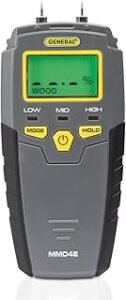
Digital Moisture Meter
The only way to know if your hardwood is truly seasoned (under 20%). Essential for efficiency and chimney safety.
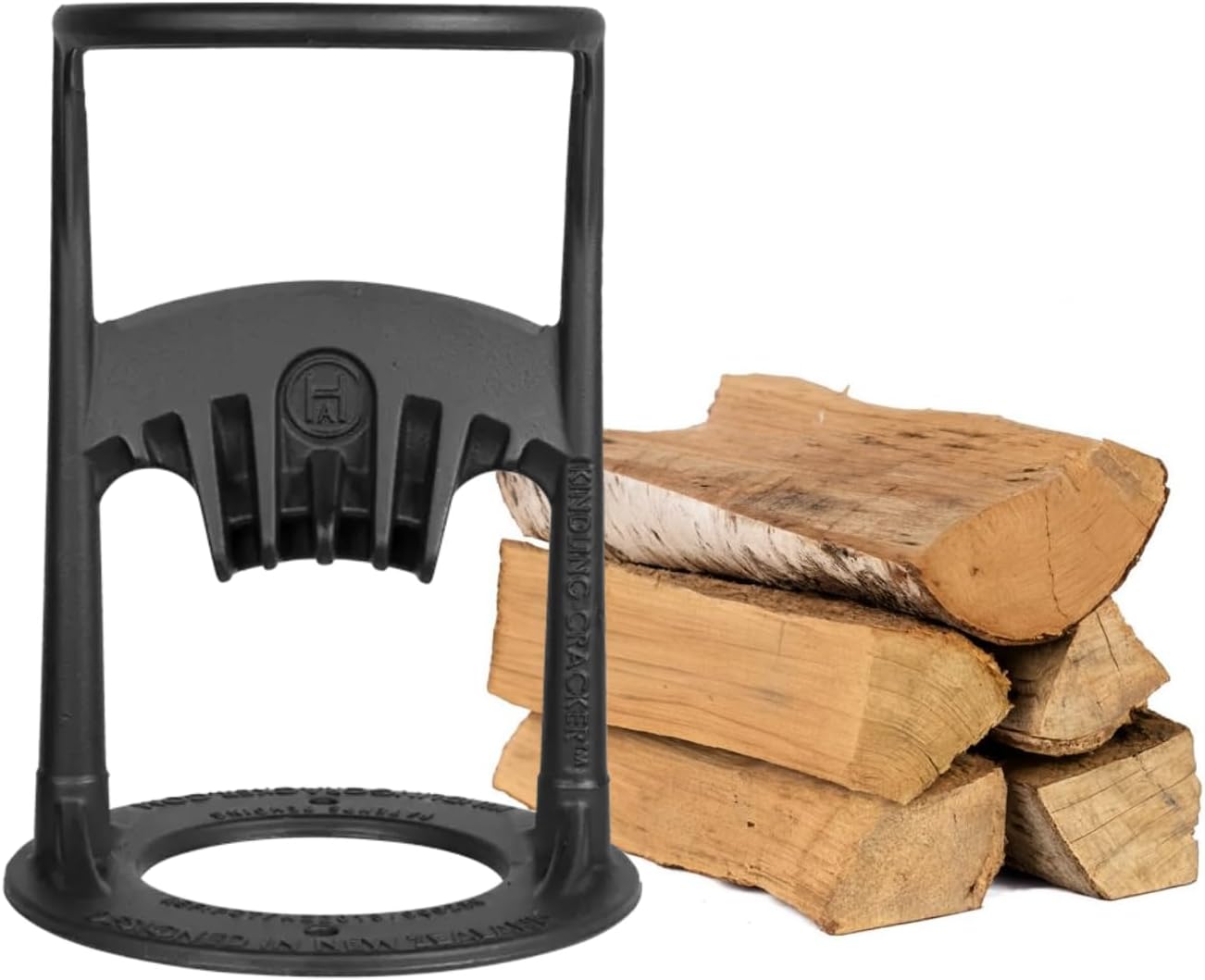
Kindling Cracker
Safely split softwood into kindling without a swinging axe. Great for preparing fire starters quickly and safely.
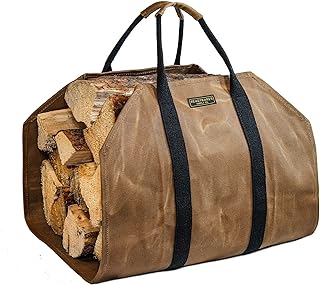
Canvas Log Carrier
Hardwood is heavy. Save your back and keep your floor clean while hauling logs from the wood pile indoors.
Pair these with the best chimney starters for a frustration-free fire every time.
Frequently Asked Questions
Does burning pine ruin my chimney?
Not if you burn it hot and with properly seasoned wood. The danger comes from smoldering pine at low temperatures, which condenses creosote rapidly on cool flue surfaces. If you use pine, always burn it at high temperatures, keep it well-seasoned, and ensure you have a good chimney cap to catch sparks. Inspect your flue monthly if pine is a regular part of your burn mix.
Which wood is best for cooking?
Hardwoods like Hickory, Apple, Cherry, and Oak are best for cooking and smoking. They produce consistent, controllable heat and clean-burning smoke that adds pleasant flavor. Never use softwoods for cooking — pine, fir, and cedar produce acrid, resinous smoke that tastes terrible on food and may contain harmful compounds.
Why is my hardwood hissing when it burns?
Hissing is the sound of water boiling out of wood that has not been adequately seasoned. This wastes heat energy (which goes into evaporating water rather than heating your room), produces excess steam and smoke, and deposits creosote rapidly. Test the moisture content — if above 20%, the wood needs more drying time before it is ready to burn.
Is it okay to burn softwood in a wood stove?
Yes, with important caveats. Softwood can be burned in a modern EPA-certified wood stove if it is fully seasoned and burned at high temperatures. The stove’s secondary combustion chamber burns off much of the volatile gas that would otherwise become creosote. However, softwood should not be your primary fuel for a wood stove — use it for quick start-up and transition to hardwood for sustained heating.
How can I tell if firewood has been properly seasoned without a meter?
Look for these signs: radial cracks in the end grain, darkened or grayish ends, bark that peels or falls away easily, significantly lighter weight compared to green wood of the same species, and a hollow “clunk” sound when two pieces are knocked together. However, none of these visual checks is as reliable as a moisture meter reading. For important purchasing decisions, always use a meter.
What is the difference between a cord and a face cord?
A full cord is a legal measurement: 4 feet wide × 4 feet tall × 8 feet long, equaling 128 cubic feet of stacked wood. A face cord (sometimes called a rick) is a stack that is 4 feet tall × 8 feet long, but only as deep as the length of the logs — typically 16 inches. A face cord is approximately one-third of a full cord when logs are cut to standard 16-inch length, but this varies by seller. Always clarify log length when buying anything other than a full cord.
Should I store firewood indoors or outdoors?
Store the bulk of your wood supply outdoors, elevated off the ground, stacked with good airflow, and covered only on top. Bringing large amounts of firewood indoors risks introducing insects (including termites and carpenter ants) and mold spores into your home. Keep only a 1–2 day supply indoors in a clean log rack or carrier. A small covered porch stack close to the door provides convenient access without the pest risk of indoor bulk storage.
Can I burn wood from a recently fallen tree?
Not immediately. A freshly fallen tree still contains all the moisture of a living tree — often 50–80% water by weight. You will need to cut, split, and stack it for the appropriate seasoning period before it is ready to burn (6–24 months depending on species). The temptation to burn “free” fallen wood immediately is understandable, but doing so is inefficient and hard on your chimney system.
Is kiln-dried firewood worth the extra cost?
It depends on your situation. Kiln-dried wood is excellent when you need guaranteed low moisture content immediately — for instance, if you did not prepare your firewood supply in advance. It also eliminates insect concerns. However, for regular seasonal use, properly air-seasoned hardwood from a reputable local supplier represents significantly better value per BTU. The premium price of kiln-dried wood is best justified for occasional or emergency use rather than bulk season-long purchasing.
How do I choose between a wood stove and an open fireplace?
For home heating efficiency, a wood stove is decisively better. Modern EPA-certified wood stoves convert 70–80% of the wood’s energy into usable heat. Open fireplaces, by contrast, can actually make a room colder by pulling warm room air up the chimney faster than the fire’s radiant heat compensates — net efficiency is often below 15%. Open fireplaces are best treated as aesthetic features rather than primary heat sources. For detailed guidance, see our comparison of wood stove vs. fireplace heating.