Fireplace Ash Bucket Buying Guide: Lids, Size & Safety
By Chimney Insight Editorial Team
Posted on October 3, 2026
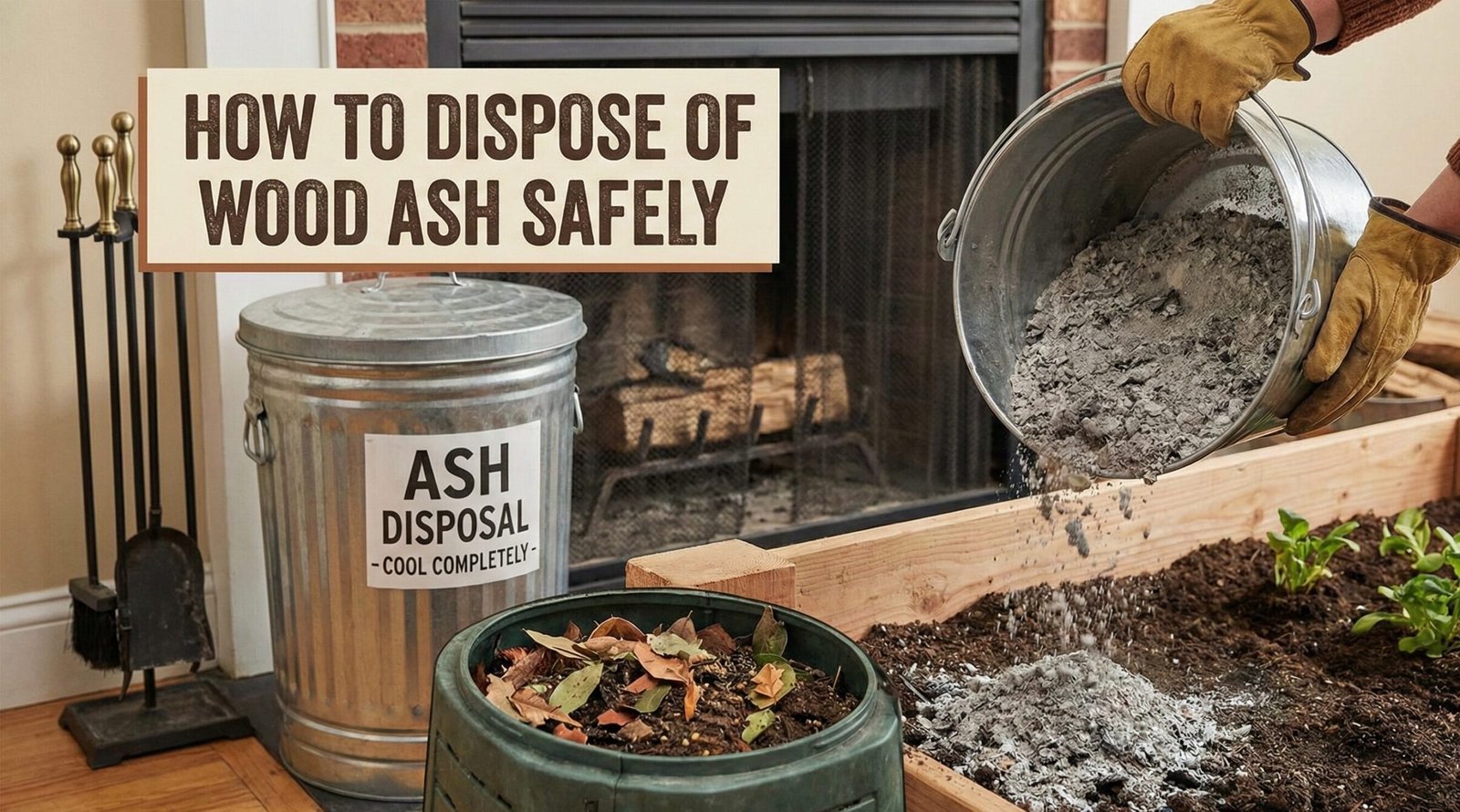
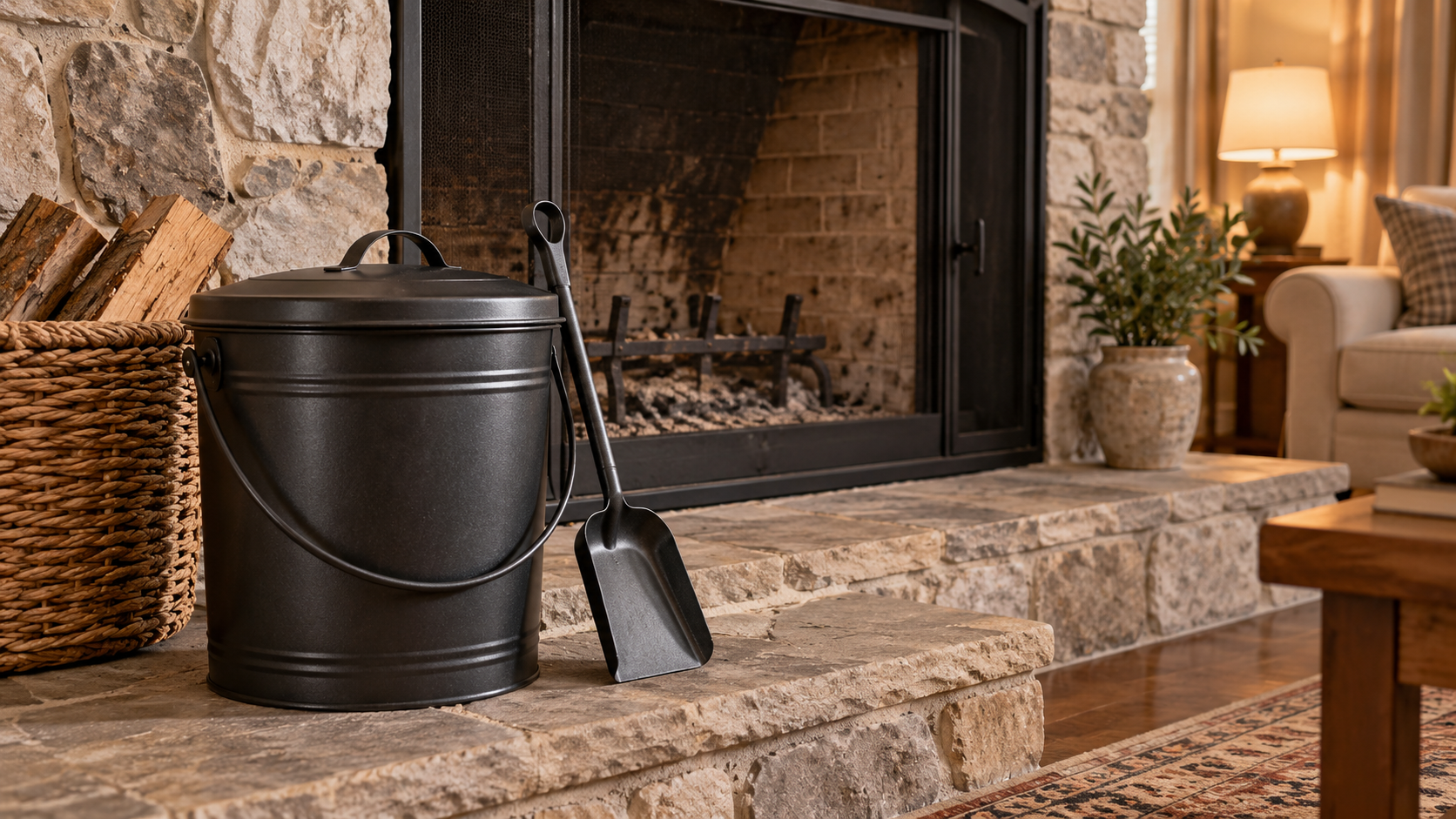
The best fireplace ash bucket is a sturdy metal container with a close-fitting metal lid, a stable base, and enough capacity for your normal cleanup without becoming too heavy to carry. A comfortable handle and a shovel that reaches the back of the firebox make routine cleaning easier, but the lid and all-metal construction matter more than decorative finishes.
This buying guide explains how to compare fireplace ash buckets without relying on vague “heavy-duty” labels. It also covers sizing, lid styles, handles, shovels, storage, and the safety limits every homeowner should understand. An ash bucket can contain cooled ash and stray embers; it does not make hot ash safe to keep indoors.
What to Look for in a Fireplace Ash Bucket
Start with the container itself. Accessories are helpful, but they cannot compensate for a thin, unstable bucket or a lid that leaves a large gap. For fireplace and wood-stove cleanup, prioritize these features in order:
- Metal body and metal lid: The entire ash-contact area should be noncombustible. Avoid plastic tubs, paper bags, cardboard boxes, and ordinary household trash cans.
- Close-fitting lid: A lid helps contain ash dust and reduces the chance that air will feed a hidden ember. It should sit securely without rocking or slipping off during transport.
- Stable base: A wide, flat bottom is less likely to tip while you shovel ash into the bucket. Check the base seam and make sure the bucket stands level.
- Strong handle: Look for a securely attached bail handle with enough clearance to keep your hand away from the lid. A grip can improve comfort, but it should not be the only thing separating your hand from warm metal.
- Practical capacity: Buy for the amount of ash your appliance produces, not the largest bucket you can find. A very large bucket becomes awkward and heavy when full.
The U.S. Environmental Protection Agency’s Burn Wise guidance likewise advises putting ashes in a covered metal container and storing it outdoors on a nonflammable surface. That simple rule should guide every buying decision.
Fireplace Ash Bucket Features Compared
| Feature | Why it matters | What to check before buying |
|---|---|---|
| Metal lid | Contains dust and limits airflow around hidden embers | Fits the rim closely and stays seated when the handle moves |
| Wide base | Improves stability during filling and temporary outdoor cooling | Sits flat without wobbling on a noncombustible surface |
| Bail handle | Makes controlled two-handed lifting easier when paired with the bottom rim | Attachment points are secure and the bucket does not tilt sharply |
| Raised bottom | Can reduce direct contact between the hottest part of the bucket and the supporting surface | Does not replace the need for concrete, bare soil, or another noncombustible location |
| Long shovel | Reaches deep fireboxes while keeping hands farther from soot and sharp debris | Blade fits through the appliance door and lies neatly beside the bucket |
| Powder-coated finish | Can improve appearance and routine corrosion resistance | Finish quality is secondary to sound metal construction and safe storage |
Choose the Right Capacity
Ash-bucket capacity should match your appliance, burn frequency, and the route from the hearth to the outdoor storage spot. Product listings often emphasize gallons, but dimensions are equally important. A tall bucket may hold plenty of ash yet be difficult to position near a low stove door. A broad bucket may be stable but awkward in a narrow hearth area.
Small bucket: occasional open-fireplace use
A compact bucket can work for homeowners who burn infrequently and remove modest amounts of ash. It is easier to carry through doorways and store outdoors. The tradeoff is more frequent emptying and less room to lower the shovel without stirring up dust.
Medium bucket: regular fireplace or stove use
A medium-size bucket is usually the most versatile choice. It offers usable headroom, fits beside many hearths, and remains manageable when partly filled. Measure the available hearth space and the clearance along your exit path before ordering.
Large bucket: high-volume cleanup
Large containers suit frequent burners and bigger appliances, but capacity is not automatically better. Ash is dense, so a bucket that is comfortable when empty may be difficult to lift when full. Plan to stop before the bucket reaches the rim; loose ash near the top is easier to spill and can interfere with the lid.
When comparing sizes, check the overall height with the handle down, the opening diameter, and the usable space below the lid. If you already own a shovel, confirm that its blade fits the bucket opening.
Lid Design Matters More Than Style
A fireplace ash bucket should have a lid made from metal, not a decorative wooden cover. The lid does not need a gasket, but it should sit firmly and cover the full opening. A domed lid provides extra headroom; a flat lid can make outdoor storage more compact. Either can work when the fit is secure.
Check how the lid behaves when you raise the handle. On some designs, the handle can catch the lid or force it off-center. Also look for a knob that can be grasped while wearing work gloves. Do not assume the knob remains cool—metal conducts heat, and ash may conceal live embers.
A pour spout may be convenient for cold ash used in an approved recycling or soil program, but a large uncovered notch can release dust and makes the lid less complete. For most households, a simple round rim with a well-fitting lid is the safer, cleaner design.
Steel, Galvanized Metal, or Decorative Copper?
Most ash buckets are made from steel, sometimes with a galvanized or painted finish. The base metal and construction quality matter more than color. Inspect seams, handle brackets, and the rim. Thin metal that flexes sharply, rough edges, or loosely riveted handles are warning signs.
Plain or painted steel
Steel offers a practical balance of strength and cost. Painted and powder-coated finishes can look appropriate indoors, but coatings may discolor if exposed to excessive heat. That is another reason to wait for the fire and ash to cool before cleanup.
Galvanized metal
Galvanized surfaces are commonly chosen for corrosion resistance. Use the bucket only as intended and do not expose it to active flames or use it as a fire pit. No ash bucket should be treated as a combustion vessel.
Copper-look and decorative finishes
Decorative buckets can blend with traditional hearth hardware, but verify that the body and lid are actually metal and that the finish does not hide a lightweight decorative liner. Appearance should come after stability, lid fit, and handle strength.
Do You Need a Shovel, Brush, or Complete Set?
A bucket-and-shovel set is convenient when you do not already own fireplace tools. Choose a shovel with a metal blade, a handle long enough to reach the rear of the firebox, and edges that can collect fine ash without scraping masonry aggressively. A hanging bracket or side pocket keeps the shovel from resting on the floor.
A brush is useful only after the ash is fully cool. Brushing warm ash can suspend fine particles in the room, and many household brushes include combustible bristles or handles. Use a purpose-made hearth brush and work slowly. For a broader equipment overview, see our homeowner chimney-sweep tools checklist.
Heavy work gloves are also sensible for soot, sharp debris, and metal edges. Our guide to gloves for handling firewood explains fit and protection considerations, but gloves never make live coals safe to touch.
How to Use an Ash Bucket Safely
An ash bucket reduces risk only when the cleanup routine is sound. Follow the appliance manufacturer’s instructions first, then use this conservative sequence:
- Let the fire go completely out and allow the ash bed to cool. Never shovel around active flames.
- Put on appropriate gloves and open the appliance slowly to avoid sending ash into the room.
- Place the metal bucket on a stable, noncombustible surface before filling it.
- Use a metal shovel and transfer small loads. Avoid dropping ash from a height.
- Leave headroom, check the rim, and fit the metal lid securely.
- Move the covered container outdoors and keep it at least 10 feet from the home and other buildings, as advised by the U.S. Fire Administration.
- Keep the bucket on concrete, bare soil, or another noncombustible surface away from decks, dry leaves, firewood, siding, and vehicles.
- Follow local rules for final disposal only after the contents are completely cold.
For the full process, including final disposal and possible reuse, read how to dispose of wood ash safely. If you find glass, nails, treated-wood residue, household trash, or other contaminants in the firebox, do not use that ash in soil or compost.
Common Buying Mistakes
- Buying for appearance alone: A stylish finish cannot compensate for a loose lid or unstable base.
- Choosing the largest size: Oversized buckets are heavier, harder to control, and more likely to be overfilled.
- Assuming “fire-resistant” means safe for hot coals: Follow the manufacturer’s instructions and official ash-cooling guidance. A container is not a license to rush cleanup.
- Storing the bucket on a wood deck: The exterior can transfer heat to combustible surfaces. Use a safe outdoor location on a noncombustible base.
- Using a household vacuum: Fine ash can damage ordinary vacuums and hidden embers can create a fire hazard. Only use equipment specifically designed and approved for the task, and only as directed.
- Skipping routine fireplace care: An ash bucket handles residue; it does not address creosote, damaged masonry, draft problems, or blocked flues. Use our annual chimney maintenance checklist to plan the wider inspection.
A Quick Fireplace Ash Bucket Checklist
Before buying, confirm all of the following:
- All-metal body and lid
- Lid covers the full opening and stays seated
- Bucket stands flat without wobbling
- Handle attachments appear secure
- Capacity matches your normal ash volume
- Dimensions fit the hearth area and exit path
- Shovel blade fits the bucket opening and appliance door
- No sharp unfinished edges
- You have a suitable outdoor noncombustible storage spot
- Manufacturer instructions are clear and available
If sparks and embers are also a concern during burning, a properly sized barrier is a separate purchase. Compare styles and fit in our guide to fireplace screens.
Final Verdict
Choose a fireplace ash bucket for containment and control, not decoration. A sound metal body, close-fitting metal lid, stable base, and manageable capacity are the essentials. A long shovel, comfortable handle, and attractive finish are useful only after those basics are covered.
Most importantly, build the purchase around a safe disposal routine. Let ashes cool, keep the covered metal container outdoors on a noncombustible surface, maintain generous distance from buildings and anything that can burn, and follow local disposal guidance. The right bucket makes that routine easier; careful handling is what makes it safer.
Frequently Asked Questions
What size ash bucket is best for a fireplace?
Choose a bucket large enough for one normal cleanup with headroom below the lid, but small enough to carry safely when partly filled. Measure the available hearth space, doorways, and the route to your outdoor storage location rather than choosing by gallon capacity alone.
Does a fireplace ash bucket need a lid?
Yes. Official fire-safety guidance calls for a tightly covered metal container. A fitted metal lid helps contain dust and limits airflow around hidden embers, but the covered bucket still belongs outdoors on a noncombustible surface away from buildings and combustible materials.
Can I keep an ash bucket next to the fireplace?
An empty decorative bucket can sit near a cold hearth, but a bucket containing ash should be moved to the safe outdoor location specified by official guidance and local rules. Do not leave an ash-filled container on carpet, wood flooring, a deck, or beside stored firewood.
Can I put hot ashes in a metal bucket?
Do not rush ash removal. Allow the fire and ashes to cool, follow the appliance manufacturer’s instructions, transfer ash carefully into a covered metal container, and store it outdoors on a noncombustible surface. Hidden embers can remain dangerous after the visible fire is gone.
Is an ash vacuum better than an ash bucket?
They serve different purposes. A metal bucket is a temporary container for manual removal and cooling. A purpose-built ash vacuum can help collect fine, fully cooled ash when its manufacturer allows it. Never use an ordinary household vacuum, and never vacuum warm ash or live embers.