How Do I Get a Raccoon Out of My Chimney?
By Chimney Insight Editorial Team
Posted on March 13, 2025
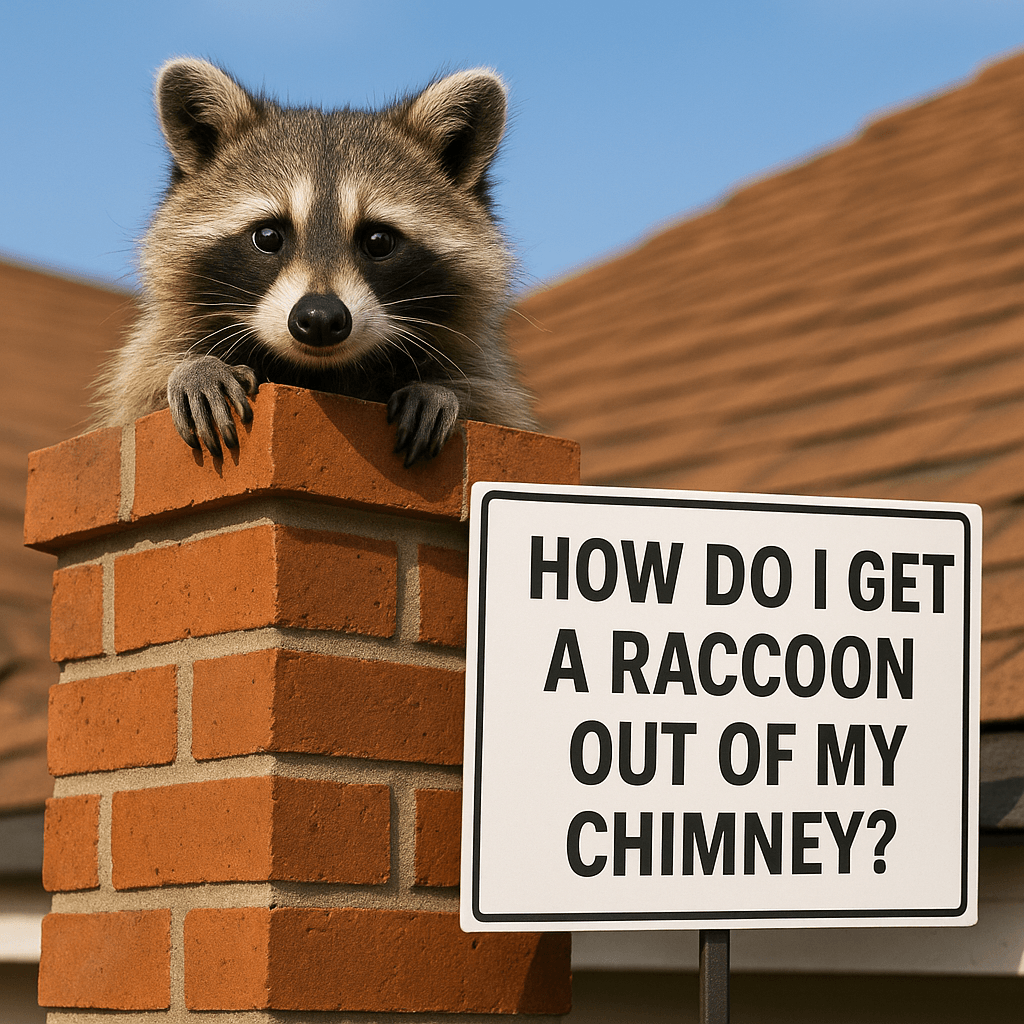
If a raccoon is in your chimney, do not light a fire, use smoke, seal the top, or try to grab the animal. Keep the fireplace closed, stop using it, keep children and pets away, and contact a licensed wildlife-control professional if you cannot confirm that every animal can leave safely. A chimney may contain a mother with young that are unable to climb out.
What to do first
- Do not use the fireplace. Fire, smoke, and heat can injure or kill an animal and may drive it into the home.
- Keep the room controlled. Keep children and pets away. Close interior doors if the fireplace opening cannot be securely isolated.
- Keep the damper closed only if it safely separates the animal from the living space. Do not move a damper if doing so could crush or trap an animal.
- Listen and observe from a safe distance. Note when you hear movement and whether sounds suggest more than one animal.
- Call for help when the situation is uncertain. A licensed wildlife-control professional can determine whether young are present and choose a lawful removal method.
Why raccoons enter chimneys
An uncapped chimney can resemble a hollow tree: elevated, enclosed, dark, and protected from weather. A female raccoon may select it as a den while raising young. That possibility changes the removal plan because dependent kits cannot simply follow their mother out.
Scratching, thumping, chittering, or movement around dusk may indicate wildlife, but sound alone cannot reliably identify the species, number of animals, or their exact location. Birds and squirrels also enter chimneys. Avoid reaching through the damper or opening the fireplace until the situation is assessed.
Never use fire or smoke to force a raccoon out
Humane World for Animals warns against using smoke or fire to drive raccoons from a chimney. Young raccoons may be unable to climb out, while the mother may remain with them. The result can be injured or trapped animals, a blocked flue, smoke entering the home, or a decomposing animal inside the chimney. Read the organization’s raccoon guidance.
Do not seal or cap an occupied chimney
A chimney cap is a prevention measure, not a removal method. Installing one before all animals have left can trap a mother, separate her from dependent young, or force an animal down toward the fireplace. A professional should verify that the flue and smoke chamber are clear before exclusion work begins.
Can you wait for the raccoons to leave?
When the fireplace can remain securely closed and unused, waiting may be the least disruptive option. A mother will normally move her young when they are mobile enough or when the den is no longer suitable. However, waiting is not appropriate when an animal has entered the living space, appears injured, creates an immediate safety problem, or cannot leave independently.
Do not assume the chimney is empty after one quiet evening. Activity can vary with weather, feeding schedules, and the age of the young. A wildlife professional can monitor the opening or use appropriate inspection equipment without relying on guesswork.
When to call a wildlife professional immediately
- An animal has entered the fireplace or living area.
- You hear high-pitched vocalizations that may indicate dependent young.
- The raccoon appears injured, trapped, disoriented, or unusually aggressive.
- You smell a strong odor, see flies, or suspect an animal has died.
- You cannot safely isolate the fireplace from children or pets.
- The chimney serves an appliance that must remain operational.
- You are unsure about local trapping, relocation, or wildlife-protection rules.
Avoid direct handling. Wildlife can bite or scratch when frightened, and raccoons can carry diseases and parasites. If a person or pet has direct contact with a raccoon, contact the appropriate medical, veterinary, animal-control, or public-health authority for situation-specific guidance.
What professional removal may involve
The exact method depends on local law, chimney construction, season, and whether young are present. A qualified provider may inspect the flue, identify the den location, determine whether the animal can leave on its own, and use a humane exclusion or relocation method permitted in the area. Ask how the provider confirms that dependent young are not left behind.
Be cautious of anyone who proposes lighting a fire, sealing the chimney immediately, or installing a cap without first confirming that the entire chimney is clear.
What to do after the raccoon is gone
- Confirm the chimney is empty. Do not rely only on silence.
- Remove nesting material and contamination safely. Droppings, debris, and insulation may require professional handling.
- Have the chimney inspected. Nesting material can block airflow, and wildlife may damage caps, liners, dampers, flashing, or masonry. Review the differences between chimney inspection levels 1–3 before arranging service.
- Clean the flue when recommended. Wildlife debris should be removed before the fireplace or appliance is used again.
- Install an appropriate cap. The cap must fit the flue and appliance while preserving required exhaust clearance and airflow.
- Check other entry points. Roof vents, soffits, damaged screening, and attic openings may also need attention.
Choosing a chimney cap after removal
A durable cap with appropriate screening can help keep raccoons, birds, leaves, and rain out. The correct design depends on whether the chimney is masonry or factory-built, the number and shape of flues, fuel type, and manufacturer requirements. Poorly sized screening can interfere with draft or clog with debris. Start with our chimney cap buying guide, then confirm compatibility before installation.
Roof work introduces fall and electrical hazards. Homeowners should not climb onto a roof unless they have the appropriate equipment, conditions, and experience. A chimney professional can measure the flue, inspect the crown and masonry, and install the cap without trapping wildlife. If you are comparing mounting systems, see our guide to four chimney-cap mounting methods.
Common mistakes to avoid
- Lighting paper, wood, or a smoky fire under the animal.
- Using mothballs, poison, ammonia, or unapproved chemicals in the chimney.
- Opening the damper to “see what happens.”
- Climbing onto the roof to confront the animal.
- Blocking the chimney opening before checking for young.
- Handling a raccoon or its droppings without appropriate training and protection.
- Using the fireplace again before debris and possible damage are evaluated.
Frequently asked questions
Will a raccoon leave a chimney on its own?
A mobile adult may leave to forage, but a mother may return to dependent young. A quiet chimney is not proof that it is empty. Confirm vacancy before capping or using the fireplace.
Can I scare it out with loud noise?
Noise may make a den less comfortable, but it does not guarantee that young can leave or that the chimney is empty. Avoid any action that could drive an animal into the living space. Professional advice is safer when the family structure and chimney layout are unknown.
Should I open the damper?
Not simply to investigate. Opening the damper may allow the animal, debris, or droppings into the home. Keep the fireplace isolated and obtain qualified assistance.
When can I use the fireplace again?
Only after every animal has left, nesting material and blockages have been removed, and the chimney is confirmed safe to operate. An inspection is especially important when the animal was present for an unknown period.
Bottom line
The safest response is to stop using the fireplace, keep the animal separated from the living space, avoid fire or smoke, and confirm whether dependent young are present. Once the chimney is completely clear, arrange cleaning or inspection as needed and install a correctly fitted cap to prevent another den.