Fireplace Smoke Coming Into the House: Causes and Fixes
By Chimney Insight Editorial Team
Posted on September 27, 2025
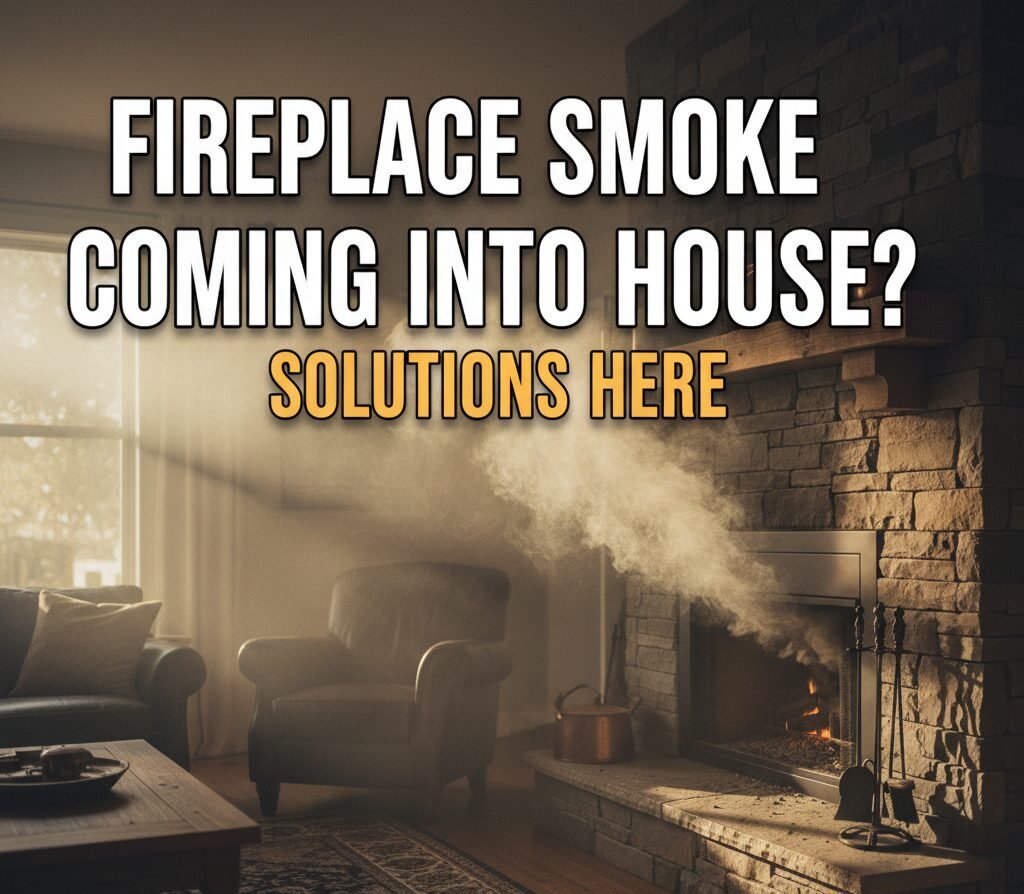
If fireplace smoke is coming into the house, stop adding fuel, reduce the fire only if you can do so safely, and ventilate the room. If a carbon-monoxide alarm sounds, anyone feels dizzy or ill, or smoke is rapidly filling the home, leave immediately and call emergency services. Do not keep using the fireplace until the cause is understood.
Smoke entry usually means the chimney is not producing enough upward draft, the home is pulling air in the opposite direction, or the flue is restricted. The timing of the problem provides useful clues, but a persistent or severe issue deserves professional evaluation.
First: Make the Situation Safe
- Do not add more wood or use an accelerant.
- Keep children and pets away from the room.
- Open a nearby window slightly if it can be done without delaying evacuation.
- Verify that smoke and carbon-monoxide alarms are working.
- Leave the home if an alarm activates, symptoms develop, or conditions worsen.
- Call emergency services for a suspected chimney fire or uncontrolled fire.
Smoke contains fine particles and combustion gases. Treat indoor smoke as a safety problem, not just an odor or housekeeping issue.
Notice When the Smoke Appears
| When it happens | Likely direction to investigate |
|---|---|
| Only at startup | A cold flue, weak initial draft, oversized opening, or damp fuel. |
| When a kitchen or bath fan runs | Negative pressure and insufficient replacement air. |
| On windy days | Roof turbulence, chimney height or location, or a cap problem. |
| After the fire burns normally for a while | Fuel loading, a changing pressure condition, or a developing restriction. |
| Every time the fireplace is used | Improper damper position, blockage, flue sizing, chimney design, or major pressure imbalance. |
| With odors or debris when no fire is burning | Downdraft, moisture, animal material, or deposits in the system. |
Common Causes of Fireplace Smoke Entry
The damper is closed or not fully open
Confirm the damper is fully open before lighting a fire. A damaged, disconnected, or partially blocked damper can look open while still restricting the flow path. Do not reach into a hot firebox or force a mechanism while a fire is burning.
The flue is cold
A cold column of air can push downward, especially when the chimney is exterior to the house. This often causes smoke during the first minutes of startup. Our guide on how to prime a chimney flue explains cautious startup methods. Never use a torch, flammable liquid, or improvised device to heat the flue.
The house is under negative pressure
Kitchen hoods, bathroom fans, clothes dryers, central vacuums, and tightly sealed construction can remove air from the house. The fireplace then competes for replacement air, and the chimney may reverse direction. As a brief diagnostic test, turn off exhaust equipment and crack a nearby window. If smoke entry improves, that is evidence of a pressure problem, not necessarily a complete repair.
The chimney or cap is restricted
Creosote, soot, animal nesting material, leaves, damaged masonry, or a blocked cap can reduce the flow area. The US Environmental Protection Agency advises having chimneys and vents professionally inspected and cleaned as needed. See the EPA’s wood-burning practices for additional safety guidance.
Do not attempt to clear a suspected blockage from below while a fire is active. Roof access and flue cleaning carry fall, fire, and exposure risks.
The firewood is wet or the fire is smoldering
Wet wood is harder to ignite, cools the fire, and produces more smoke. Burn properly seasoned firewood in modest loads and maintain the air supply specified for the appliance. Do not burn trash, treated wood, painted lumber, or household packaging. Our guide to cleaner fireplace fuel and burning habits explains safer choices.
The fireplace opening and flue are mismatched
An opening that is too large for the flue or a poorly configured smoke chamber can spill smoke even when the chimney is clean. Permanent changes should be based on measurements and a diagnosis, not guesswork. A qualified professional may evaluate opening dimensions, flue area, chimney height, throat, smoke shelf, and connector configuration.
Wind is disturbing the chimney termination
Nearby rooflines, trees, additions, or terrain can create turbulence. A damaged or unsuitable cap may worsen the problem. Do not assume that installing a different cap will solve every windy-day downdraft; chimney height, termination location, and house pressure may all contribute.
Safe Checks You Can Make
- Confirm the damper is fully open.
- Check whether exhaust fans, the dryer, or another combustion appliance are running.
- Open a nearby window one or two inches as a short diagnostic test.
- Use dry, appropriate firewood and start with a small, hot fire.
- Look from the ground for an obviously damaged or obstructed cap.
- Record the weather, wind direction, appliance use, and exact time the smoke appears.
These checks help narrow the cause, but they do not prove that the flue is clean, correctly sized, or structurally sound. For a deeper explanation, read our guide to fireplace draft problems.
When to Stop Using the Fireplace
Stop use and arrange an inspection when smoke entry repeats, the damper will not operate, debris falls into the firebox, you suspect an animal or blockage, or there are signs of heat or damage outside the firebox. After a chimney fire, impact, severe weather event, or appliance change, a more detailed inspection may be appropriate. Review the differences between chimney inspection levels before scheduling.
If a carbon-monoxide alarm sounds, do not silence it and remain inside to troubleshoot. Move to fresh air and follow the alarm manufacturer’s instructions and emergency guidance.
What a Professional May Test
A technician may inspect the flue and cap, verify accessible clearances and components, evaluate deposits, measure the fireplace and flue, observe draft behavior, or use diagnostic tools to assess pressure. Ask for photographs and a written explanation of the defect before approving repairs.
Some problems have more than one cause. For example, a marginally sized flue may work on a calm day but spill when an exhaust fan runs. A complete diagnosis considers the fireplace, chimney, house, and weather together.
Preventing Smoke Problems
- Have the system inspected at an interval appropriate for its use and condition.
- Clean deposits when inspection indicates it is needed.
- Burn dry, suitable firewood and avoid smoldering loads.
- Open the damper fully and establish draft before building a larger fire.
- Maintain smoke and carbon-monoxide alarms on every appropriate level.
- Do not modify the fireplace opening, cap, or flue without a measured plan.
- Address water entry, animal access, and damaged components promptly.
Frequently Asked Questions
Why does my fireplace smoke only when I first light it?
A cold flue may be holding a column of dense air that resists upward flow. A small, controlled startup and safe flue-priming method can help, but repeated startup smoke can also indicate a restriction, pressure imbalance, or sizing problem.
Why does opening a window stop the smoke?
That suggests the fireplace is not receiving enough replacement air or the house is under negative pressure. The window is a diagnostic clue, not necessarily a permanent solution. A professional can evaluate the whole-house pressure conditions.
Can a dirty chimney make smoke enter the house?
Yes. Deposits or debris can reduce the available flow area. Animal material, damaged components, and cap obstructions can have a similar effect. Have the system inspected rather than assuming cleaning alone will solve it.
Can wind cause fireplace smoke?
Yes. Wind interacting with the roof, chimney, trees, or nearby structures can create downdrafts or turbulence. Wind-related problems require evaluation of the termination and the home’s pressure conditions.
Is a smoking fireplace dangerous?
It can be. Indoor smoke indicates that combustion products are not venting as intended. Stop use when the problem persists, respond immediately to alarms or symptoms, and have the cause evaluated before the next fire.