Chimney Cleaning Cost: Price Factors, Add-Ons & DIY Limits
By ehasan28
Posted on September 28, 2026
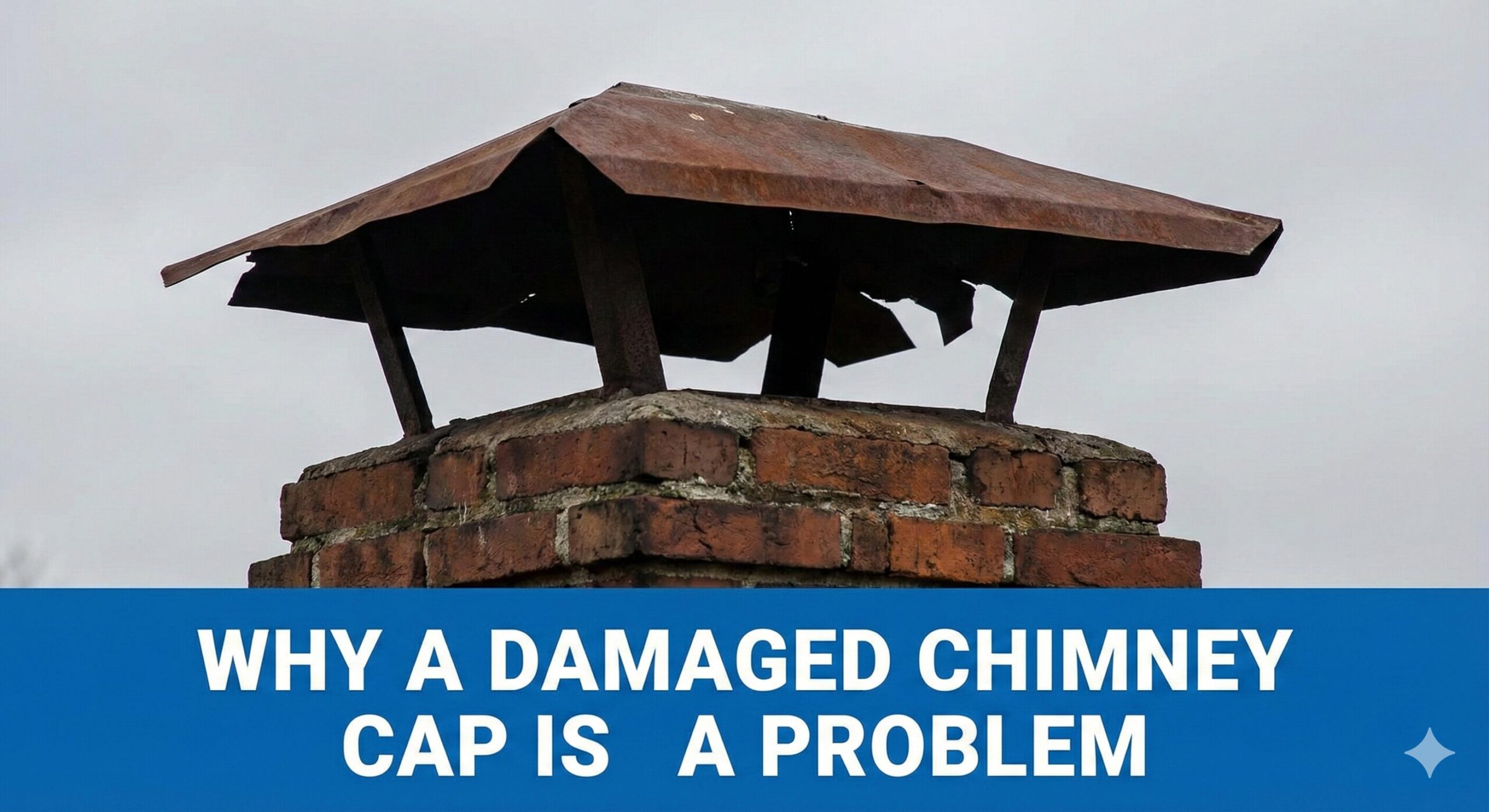
Chimney cleaning cost depends less on a flat “per chimney” rate than on what the sweep finds: the appliance and flue type, deposit severity, access, number of flues, inspection level, and whether blockages or repairs are involved. For a current national reference—not a local quote—Angi’s April 4, 2026 cost guide reports an average of $254 and a common range of $129 to $381. Your price may fall outside that range, so compare written scopes rather than choosing on the headline number alone.
This guide explains what a standard appointment should include, which add-ons can change the bill, when DIY cleaning can make sense, and what to ask before authorizing work. The goal is a safer, apples-to-apples decision—not the cheapest visit.
What a Standard Chimney Cleaning Quote Should Cover
A routine chimney sweep usually means mechanical removal of soot and ordinary creosote from the accessible venting path, followed by cleanup and a basic visual evaluation. Ask whether the quoted service includes the firebox, smoke chamber or connector pipe, damper area, appliance baffles, and a written condition report. Those details vary by company and appliance.
The Chimney Safety Institute of America explains that chimneys, fireplaces, and vents should be inspected at least annually and cleaned, maintained, or repaired when necessary. An annual inspection is not the same as an automatic annual cleaning: use, fuel, burning habits, appliance design, and deposit condition determine when sweeping is needed. See our guide to how often a chimney should be cleaned for the maintenance side of that decision.
The Biggest Chimney Cleaning Cost Factors
1. Appliance and flue configuration
An open masonry fireplace, a wood-stove connector, a fireplace insert, and a pellet appliance do not present the same access points or cleaning steps. Offsets, long runs, multiple flues, tight baffles, and difficult connectors can add setup and labor. Tell the company exactly what appliance serves each flue when requesting the quote.
2. Deposit type and severity
Loose soot and ordinary, brushable creosote are different from hard, tacky, or glazed deposits. The latter may require specialized treatment and more than one visit. A low advertised sweep price may cover only routine deposits. If the technician recommends additional treatment, ask for photos or video and a separate written scope. Our guide to identifying glazed creosote explains why it is not a routine DIY brushing job.
3. Access and containment
Steep roofs, tall chimneys, fragile roofing, restricted appliance access, and difficult furniture protection can increase time or require special equipment. Professional containment also matters: soot should not be released into the living area. Ask what floor protection, sealing, and filtered vacuum equipment are included.
4. Inspection level and documentation
A routine visual inspection may be included with cleaning, while a more detailed video scan or a higher inspection level can be a separate service. Buying or selling a home, changing an appliance, a chimney fire, a weather event, or a known defect may justify more than a basic check. Make the inspection deliverable explicit: verbal summary, photographs, video, and written recommendations are not interchangeable.
5. Blockages, animals, and repairs
Nests, heavy debris, damaged caps, loose mortar, water entry, or a compromised liner turn a cleaning appointment into a broader service call. Humane wildlife removal can also involve legal or seasonal restrictions. Cleaning and repair should be itemized so you can see what is required now, what is recommended, and what can safely wait.
Quick DIY Tool Check
Amazon Associates disclosure: As an Amazon Associate, Chimney Insight earns from qualifying purchases at no additional cost to you.
Holikme 30-Foot Chimney Sweep Kit
Best for: Homeowners with a compatible, accessible flue who want a bottom-up rotary setup for light routine deposits.
Practical advantage: Flexible rods and a drill adapter can reduce the need for roof access.
Check before buying: Confirm the flue material, dimensions, total length, and that the deposit is brushable—not glazed.
Gardus SootEater Rotary Cleaning System
Best for: Homeowners comparing a purpose-built rotary system for an appropriate open fireplace or wood-stove flue.
Practical advantage: A rotary whip-style head can conform to more than one flue shape when used as directed.
Check before buying: Verify reach, appliance access, manufacturer instructions, and compatibility with the liner.
Professional Cleaning vs DIY: Compare the Whole Job
DIY can look less expensive because the visible cost is the tool. A fair comparison also includes containment materials, a suitable filtered vacuum, eye and respiratory protection, drop cloths, lighting, replacement rods or adapters, cleanup time, and the risk of buying the wrong brush. Most importantly, a homeowner’s cleaning does not replace a professional evaluation of clearances, liner condition, concealed damage, or prior fire evidence.
| Decision point | Professional service | DIY cleaning |
|---|---|---|
| Best fit | Unknown condition, difficult access, heavy deposits, property transaction, or safety concern | Known, accessible system with light brushable deposits and correct tools |
| Main value | Cleaning plus trained observation, containment, and documentation | Potential savings on routine maintenance between professional evaluations |
| Main limitation | Scope and documentation vary; add-ons must be clarified | Cannot verify concealed defects or make the system safe by inspection alone |
| Stop condition | Request a separate estimate before unplanned repair work | Glaze, damage, blockage, unstable access, or smoke/CO concern |
If you are considering the homeowner route, read how to clean a chimney flue safely and how to size and use a chimney brush before buying equipment.
Common Add-Ons That Change the Final Bill
- Video scanning: Useful when the flue interior needs documentation beyond a basic visual check.
- Multiple flues or appliances: A chimney structure can contain more than one flue, and each path may require separate work.
- Heavy or glazed creosote treatment: Not equivalent to a routine sweep and often priced separately.
- Animal or nest removal: May require specialist handling, exclusion work, or a return visit.
- Cap, crown, flashing, or masonry work: Repairs are not cleaning; request a diagnosis and separate scope.
- Emergency or peak-season scheduling: Availability and service policies can differ from routine appointments.
Chemical logs or powders should not be treated as a substitute for mechanical sweeping and inspection. CSIA notes that chemical products may be used as part of a broader treatment, but loose material still has to be removed and hidden defects still need evaluation.
How to Compare Chimney Sweep Quotes
- Describe the same system to every company. Include the appliance type, number of flues, last known cleaning, known problems, and roof/access conditions.
- Ask for the included scope in writing. Confirm cleaning areas, inspection level, containment, photos or video, and cleanup.
- Separate required work from optional work. Cleaning, inspection, treatment, wildlife removal, and repairs should not be bundled into one unexplained number.
- Verify qualifications and insurance. Ask who will perform the work and how the company documents findings.
- Be cautious with unusually low offers. A teaser price may omit inspection, difficult access, or common components of the venting path.
- Do not authorize major repairs from fear alone. Ask for images, an explanation of the defect, urgency, and a written repair proposal; seek another opinion for expensive work.
DIY Cleaning Kits: A Fuller Comparison
These kits are relevant only when the flue is accessible, the deposits are ordinary and brushable, the tool is compatible, and you can contain the soot safely. They are not a shortcut around an inspection.
Holikme 30-Foot Kit
Choose it when: A 30-foot flexible-rod package matches your measured reach and you prefer drill-powered bottom-up cleaning.
Benefit: A bundled head, rods, and adapter simplify the basic equipment list.
Limitation: Rod technique matters, and no rotary kit should be forced through a damaged, obstructed, or glazed flue.
Gardus SootEater
Choose it when: You want a rotary whip system and its documented use, reach, and connections fit your appliance and flue.
Benefit: The trim-to-fit whip head can suit multiple flue shapes when prepared according to the instructions.
Limitation: Extra reach or system-specific adapters may be needed, and it does not diagnose defects.
Particle Flexible 15-Rod Kit
Choose it when: Your measured job calls for a longer flexible-rod set and the connections and head suit the flue.
Benefit: The extended rod package may suit taller runs without buying sections separately.
Limitation: More flexible joints require controlled handling; confirm total reach and never reverse or overload a connection contrary to its instructions.
For a product-focused breakdown by flue type, compare our recommended chimney brushes and rotary kits.
Bottom Line
A useful chimney cleaning quote tells you what will be cleaned, what inspection is included, how the home will be protected, and which findings would trigger a separate charge. National averages can help with a starting budget, but the correct local price is the one tied to a documented scope for your specific venting system.
DIY equipment may be reasonable for a known, accessible flue with light deposits and the correct tools. It is not appropriate for glaze, suspected damage, unsafe access, an unknown blockage, or a system that has not been evaluated. When safety and scope are uncertain, pay for qualified diagnosis before paying for products or repairs.
Frequently Asked Questions
How much does chimney cleaning cost in the United States?
Angi’s April 4, 2026 national guide reports an average of $254 and a common range of $129 to $381. Local labor, appliance type, access, deposit severity, inspection scope, and add-ons can put a real quote outside that range.
Is a chimney inspection included with cleaning?
Sometimes a basic visual check is included, but the inspection level and documentation vary. Ask whether the price includes a condition report, photographs, video scanning, or only a verbal summary.
Why would one chimney sweep quote be much higher than another?
The scopes may differ. One quote may include containment, appliance components, a video scan, difficult access, or multiple flues, while another covers only routine brushing. Compare line items before comparing totals.
Can I clean my chimney myself to save money?
Only consider DIY work for a known, accessible system with light brushable deposits, compatible tools, safe access, and effective soot containment. DIY cleaning cannot verify liner integrity, clearances, concealed defects, or prior chimney-fire damage.
Do chimney cleaning logs replace sweeping?
No. CSIA says chemical cleaning products are not an adequate substitute for mechanical cleaning and inspection. Deposits and loosened debris still need removal, and the product cannot identify structural or venting defects.