Why You Shouldn’t Burn Wrapping Paper in a Fireplace
Understand why burning wrapping paper can cause rapid flames, toxic smoke, flying embers, and chimney fires—and learn safer disposal alternatives.
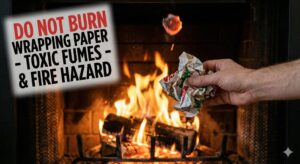
Understand why burning wrapping paper can cause rapid flames, toxic smoke, flying embers, and chimney fires—and learn safer disposal alternatives.
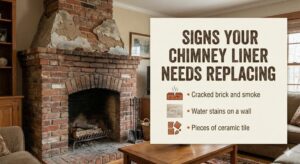
Discover the critical signs of a damaged chimney liner, including cracks, debris, smoke problems, corrosion, poor draft, and excessive heat transfer.

Understand the chimney effect, how temperature and pressure move air through buildings, and how it influences drafts, comfort, ventilation, and energy use.
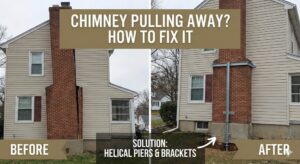
Learn why a chimney separates from a house, urgent safety steps, structural diagnosis, repair options, costs, and contractor questions.
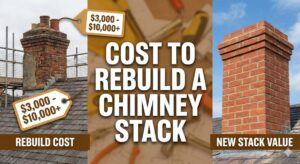
Understand chimney stack rebuilding scope, cost drivers, inspection needs, estimate details, repair alternatives, and contractor warning signs.
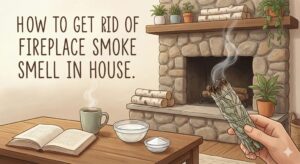
Learn how to identify and remove fireplace smoke odors using safe cleaning, ventilation, draft correction, moisture control, and professional inspection.
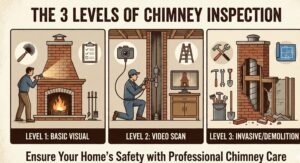
Compare chimney inspection Levels 1, 2, and 3, including their scope, equipment, access requirements, recommended situations, and expected findings.
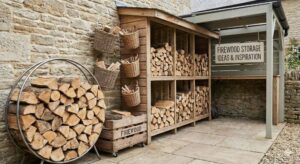
Explore practical firewood-storage ideas that improve airflow, reduce moisture, prevent pests, protect wood from weather, and support proper seasoning.
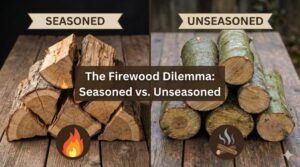
Learn how seasoned and unseasoned firewood differ in moisture, heat output, smoke, creosote production, efficiency, safety, and storage requirements.
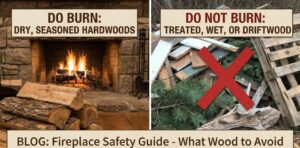
Discover which wood and materials should never be burned in a fireplace, why they create toxic smoke or chimney hazards, and safer fuel choices.