The Ultimate Guide to the Best Chimney Caps for Rain in 2026
Protect your home from the silent destroyer: rainwater. A high-quality chimney cap is your first line of defense against costly water damage, deteriorating masonry, and dangerous mold. This comprehensive guide will walk you through everything you need to know to choose, size, and install the perfect chimney cap to keep your flue dry.
1. Why a Chimney Cap for Rain is Non-Negotiable
Think of a chimney without a cap as an open window pointing directly at the sky during a thunderstorm. You would never intentionally leave a hole in your roof, yet thousands of homeowners leave their chimney flues completely exposed to the elements. Rainwater entering your chimney is more than just a minor annoyance; it is a highly destructive force.
When wind blows across the top of an uncapped chimney, it can create a vacuum that actually pulls rain down into the flue. This is known as the chimney effect. A good chimney cap not only acts as an umbrella to keep out rain, but its sloped lid also deflects wind, prevents downdrafts, blocks animals from nesting, and serves as a spark arrestor to stop hot embers from landing on your roof.
2. The Anatomy of Chimney Water Damage
When rain is allowed to free-fall down your flue, the damage is insidious and expensive. Here is exactly what water destroys inside your chimney system:
- Deteriorating Masonry: Water soaks into the porous bricks and mortar of your chimney interior. During winter, this trapped water freezes and expands, causing the bricks to crack and spall (flake off). This can eventually compromise the structural integrity of the entire chimney stack. If the damage is severe, you may need to look into the cost to rebuild a chimney stack.
- Rusted Dampers: The damper is the metal plate that seals your fireplace when not in use. Constant exposure to water will cause cast iron and steel dampers to rust tightly shut, requiring an expensive replacement.
- Ruined Fireboxes: Water pooling at the bottom of the chimney will eventually seep into the firebox, staining the refractory brick, rusting the grate, and causing a foul, musty odor. If you are struggling with this issue, read our guide on how to get rid of fireplace smoke smell and dampness.
- Damaged Flue Liners: Clay tile liners can crack under the stress of freezing water. Stainless steel liners, while highly durable, can suffer if water mixes with creosote, creating a highly corrosive acid.
3. How to Choose the Perfect Cap: A Buyer’s Guide
Selecting the right chimney cap involves more than just picking one that looks aesthetically pleasing. Here are the crucial factors to consider to ensure maximum rain protection.
Material Matters: Stainless Steel vs. Galvanized
Stainless Steel: This is the premium, gold-standard choice. It is highly resistant to rust and corrosion, making it mandatory for coastal areas with salt air, or regions with heavy rainfall. While more expensive upfront, most stainless steel caps come with a lifetime warranty.
Galvanized Steel: A budget-friendly option, galvanized steel is coated in zinc to prevent rust. However, this coating degrades over time, especially when exposed to acidic flue gases. They will eventually rust and need replacement in 5 to 10 years.
Copper: Primarily chosen for architectural aesthetics on high-end homes. Copper is incredibly durable and will never rust, though it will naturally patina to a green hue over time. It is the most expensive option.
Sizing and Measuring
A cap that doesn’t fit properly will either blow off in a storm or fail to keep water out. You must measure accurately:
- For a single square/rectangular flue: Measure the outside length and width of the clay tile protruding from the crown.
- For a single round flue: Measure the outside diameter of the metal or clay pipe.
- For multiple flues: Measure the overall length and width of the chimney crown (the concrete pad on top). You will need a multi-flue, top-mount cap.
Lid Design for Maximum Rain Deflection
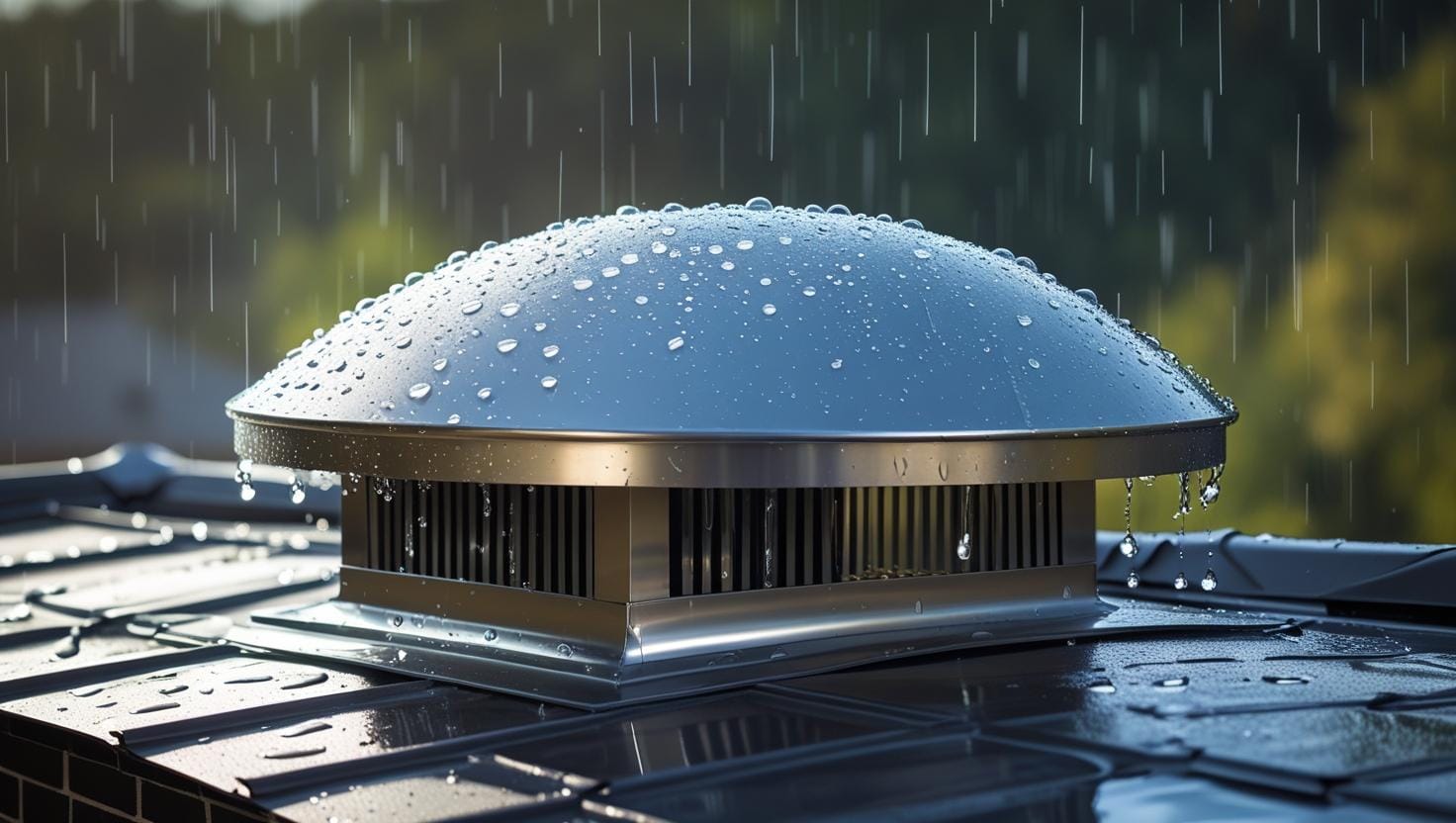
Look for a cap with a generously sized hood (lid) that extends significantly beyond the mesh screening. A pitched or sloped design (often called a hip roof or ridge lid) is vastly superior to a flat lid because it actively and rapidly sheds water away from the chimney opening.
4. The Forever Cap: Best Overall Stainless Steel Cap

Best For: Homeowners seeking a premium, “buy-it-once” solution with a lifetime warranty and maximum rain deflection.
The Forever Cap is widely considered the industry standard for residential chimney protection. It lives up to its name thanks to its heavy-duty, 24-gauge, 304-grade stainless steel construction. Unlike cheaper caps that use thin sheet metal, this cap is built like a tank. It will survive severe storms, heavy snow loads, and corrosive flue gases without ever showing a speck of rust.
The design is specifically optimized for rain protection. It features a large, pitched “hip” lid that effectively sheds water far away from the flue opening. The base flange is wide and sturdy, providing a secure grip when tightened against the flue tile, ensuring it won’t blow off in high winds.
Pros
- True Lifetime Warranty against rust and defects.
- Heavy-duty 304 stainless steel construction.
- Excellent oversized hood for maximum rain shedding.
- Sturdy 3/4-inch animal guard mesh.
- Made in the USA.
Cons
- Higher initial upfront cost.
- Edges can be sharp during DIY installation (wear gloves).
5. HY-C Shelter Galvanized Steel Cap: Best Budget Option

Best For: Homeowners in mild climates or those on a strict budget who need immediate rain protection.
If you need to cap your chimney immediately to stop an active leak but cannot afford a premium stainless steel model, the HY-C Shelter is a highly reliable choice. It is constructed from 24-gauge galvanized steel and finished with a durable black powder coating. This dual-layer protection successfully staves off rust for many years in moderate climates.
The installation process is incredibly simple, utilizing a pressure-fit base with heavy-duty mounting screws that bite into the exterior of the clay flue tile. While it will eventually succumb to rust (typically after 5-7 years, depending on your region’s humidity and salt levels), it provides excellent short-to-medium-term defense against rain, birds, and squirrels.
Pros
- Very affordable price point.
- Black powder-coat finish looks great on most homes.
- Simple, fast installation with included hardware.
- Effective rain and animal protection.
Cons
- Galvanized steel will eventually rust and stain your chimney.
- Only a 7-year limited warranty.
- Not recommended for coastal areas or high-moisture climates.
6. Chimney Champion Multi-Flue Cap: Best for Multiple Flues

Best For: Homes with two or more flues exiting the same chimney stack, requiring protection for the entire concrete crown.
If your chimney has multiple flues (e.g., one for the fireplace, one for the furnace), installing individual caps on each flue is often ineffective. Rain can still hit the concrete crown between the flues, seeping into the masonry and causing freeze-thaw damage. The solution is a top-mount, multi-flue cap like the Chimney Champion.
This massive cap mounts directly to the concrete crown, acting as a giant umbrella over the entire top of the chimney structure. Made from 100% stainless steel, it offers unparalleled protection against masonry deterioration. A fantastic feature is the removable lid; you can simply unbolt the top to sweep the flues without having to remove the entire heavy base structure from the chimney.
Pros
- Protects multiple flues AND the vulnerable concrete crown.
- Durable, heavy-gauge stainless steel.
- Removable lid makes annual sweeping very easy.
- Lifetime warranty.
Cons
- Installation is complex; requires drilling into masonry and applying heavy-duty masonry adhesive.
- Very expensive compared to single-flue caps.
7. Master Flow Round Galvanized Cap: Best for Round Flues
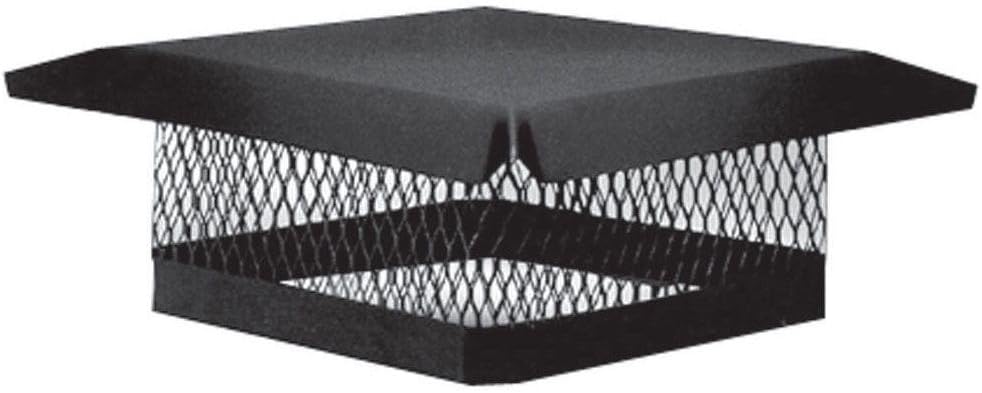
Best For: Homes with standard round metal stove pipes or round clay flues.
Many modern homes, particularly those with prefabricated fireplaces or wood-burning stoves, utilize round metal flues instead of square masonry tiles. The Master Flow Round Chimney Cap is a straightforward, highly effective solution tailored specifically for this geometry. Constructed from galvanized steel, it features a classic conical lid that effortlessly sheds rain and snow.
The standout feature is its adjustable tension mounting system. Instead of driving screws into the flue (which can damage thin metal pipes), the base uses a heavy-duty draw-band that clamps tightly around the outside of the pipe, ensuring a secure fit even in high winds.
Pros
- Specifically engineered for round flues.
- Tension clamp mounting won’t damage metal pipes.
- Affordable and widely available.
- Conical lid is excellent at shedding heavy snow.
Cons
- Galvanized material has a shorter lifespan than stainless.
- Only a 4-year limited warranty.
8. VIVOHOME Stainless Steel Wind-Resistant Cap

Best For: Homes situated in high-wind areas, coastal regions, or those suffering from severe smoke downdraft issues.
If you live on a hill, near the coast, or in an area known for severe storms, a standard cap might allow driving, horizontal rain into the flue. Furthermore, high winds can force smoke back down into your living room. The VIVOHOME Wind-Resistant Cap is engineered to solve both problems simultaneously.
Instead of a simple mesh screen, this cap utilizes a series of solid stainless steel baffles and a specialized aerodynamic lid. When wind hits the cap, it is forced around the baffles, actually creating an updraft (the Venturi effect) that helps pull smoke out of the chimney, rather than pushing rain in. It is an exceptional piece of engineering for problematic chimneys.
Pros
- Aerodynamic design actively prevents smoke downdrafts.
- Blocks driving, horizontal rain better than standard mesh caps.
- High-quality stainless steel construction.
- Adjustable base fits multiple round flue sizes.
Cons
- More complex design is heavier and harder to handle on a roof.
- Only designed for round flues.
- 1-Year limited warranty is shorter than competitors.
9. Direct Comparison Table
Use this responsive table to quickly compare the key features of our top-rated chimney caps. Swipe horizontally on mobile devices to view all columns.
| Product Name | Material | Best Application | Flue Shape | Warranty |
|---|---|---|---|---|
| The Forever Cap | 304 Stainless Steel | Overall Rain Protection | Square/Rectangle | Lifetime |
| HY-C Shelter | Galvanized Steel | Budget / Mild Climates | Square/Rectangle | 7-Year Limited |
| Chimney Champion | Stainless Steel | Multiple Flues / Crown Protection | Top-Mount (Any) | Lifetime |
| Master Flow Round | Galvanized Steel | Standard Metal Pipes | Round Only | 4-Year Limited |
| VIVOHOME | Stainless Steel | High Wind / Downdrafts | Round Only | 1-Year |
10. DIY Installation Safety Guide
Installing a standard single-flue chimney cap is generally a straightforward DIY project that takes less than 30 minutes. However, because it involves working at heights, safety is paramount.
You will need a sturdy extension ladder, a tape measure, heavy-duty work gloves (metal edges are sharp!), safety glasses, and a wrench or screwdriver (depending on the cap’s mounting hardware).
- Safety First: Ensure your ladder is set on firm, level ground. Use a roof harness if your roof pitch is steep. Never attempt this project during rain, snow, or high winds.
- Clean the Flue Tile: Once on the roof, use a wire brush to scrub the exterior of the clay flue tile where the cap will mount. Removing moss, algae, and soot ensures the mounting screws can grip tightly.
- Dry Fit the Cap: Place the cap over the flue to ensure you have purchased the correct size. It should slide over the outside of the tile easily but not be overly loose.
- Secure the Screws: Standard caps have a mounting flange with holes on all four sides. Slide the cap down until it rests on the tile. Using your wrench, tighten the provided masonry screws evenly around all sides. Do not over-tighten! Overtightening can crack the brittle clay flue tile. You want it snug enough that it cannot be pulled off by hand.
- Sealant (Optional but Recommended): For extra protection, you can run a bead of high-temperature exterior silicone caulk around the base where the cap meets the flue tile to prevent any micro-leaks.
If you discover that your chimney stack is leaning, pulling away from the house, or has severe masonry damage while you are on the roof, do not install the cap. You must address structural issues first. Read our guide on how to fix a chimney pulling away from the house before proceeding.
11. Frequently Asked Questions (FAQs)
Can I install a chimney cap myself?
Yes, standard single-flue chimney caps are designed for DIY installation using basic tools like a wrench or screwdriver. However, if your roof is dangerously steep, or if you need to install a heavy, top-mount multi-flue cap that requires masonry drilling, it is highly recommended to hire a professional sweep.
How often should I inspect my chimney cap?
You should inspect your chimney cap at least once a year. The best time is late summer or early fall, right before burning season. Look for signs of rust (if galvanized), ensure the mounting screws are tight, and check that the mesh screen is not clogged with leaves, soot, or creosote buildup.
Will a chimney cap negatively affect my fireplace’s draft?
No. A properly sized and installed chimney cap will not restrict your draft. In fact, by preventing wind from blowing directly down the flue (downdrafts), a good cap actually stabilizes and improves your chimney’s draft performance.
What size mesh screen should a chimney cap have?
Most standard caps use a 3/4-inch or 5/8-inch mesh. This size is small enough to keep birds, squirrels, and raccoons out, but large enough that it won’t easily clog with soot and restrict airflow. In areas prone to wildfires, local building codes may require a smaller 1/2-inch mesh to act as a strict spark arrestor.
Why is my galvanized chimney cap rusting?
Galvanized steel is coated in zinc to prevent rust. However, the highly acidic nature of fireplace exhaust gases (creosote) combined with rain will slowly eat away this zinc coating. Once the raw steel is exposed, it will rust rapidly. This is why stainless steel is a vastly superior long-term investment.
12. Conclusion and Final Recommendation
A high-quality chimney cap is not an optional accessory; it is a critical component of your home’s roofing and heating system. Allowing rain to freely enter your flue guarantees expensive masonry repairs, rusted dampers, and dangerous mold growth.
While galvanized options like the HY-C Shelter offer excellent short-term budget relief, we strongly advise investing in stainless steel if you plan on staying in your home long-term. The Forever Cap stands out as our ultimate recommendation. Its heavy-duty construction, superior rain-deflecting lid design, and lifetime warranty make it a “buy-it-for-life” product that offers unbeatable peace of mind against the elements.
Ready to Stop the Leaks?
Don’t wait for the next heavy rainstorm to cause thousands in water damage. Browse the top-rated, rain-deflecting chimney caps today and protect your home’s most vulnerable opening.
Shop Top-Rated Chimney Caps on Amazon