Best Manual Hydraulic Log Splitters
By Chimney Insight Editorial Team
Posted on December 25, 2025
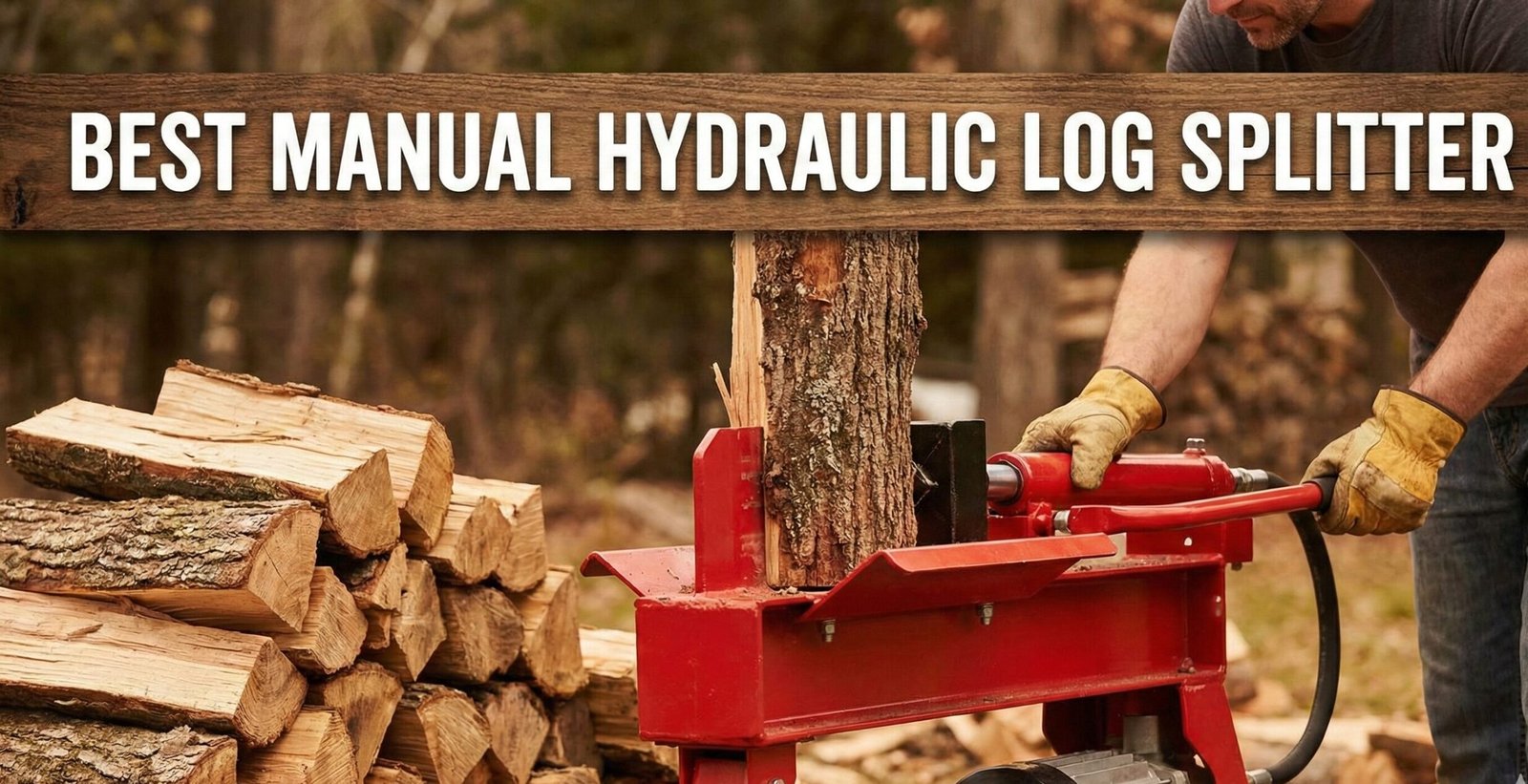
Manual hydraulic log splitters can be useful for homeowners who split modest amounts of firewood and want a machine that does not require electricity or gasoline. This guide compares the features that matter rather than claiming hands-on testing we did not perform.
How we evaluate manual hydraulic splitters
- Rated splitting force
- Maximum log length and diameter
- Operating position and stability
- Handle travel and pumping effort
- Return mechanism
- Machine weight and portability
- Availability of replacement parts and warranty support
- Manufacturer instructions and user feedback
Who a manual hydraulic splitter suits
Manual models are best suited to smaller workloads, straight-grained rounds, and users who prefer simple equipment. They are slower than powered splitters and still require repeated physical effort.
When a powered splitter may make more sense
If you regularly process large quantities of hardwood, very large rounds, or highly knotty material, an electric or gas-powered machine may be more practical. Compare the manufacturer’s rated capacity with the wood you actually plan to split.
Safety considerations
- Use the splitter only on a stable surface.
- Keep hands away from the wedge and pinch points.
- Follow the manufacturer’s instructions for log positioning and pressure limits.
- Wear appropriate eye protection and footwear.
- Do not modify the hydraulic system or exceed the rated capacity.