The Ultimate Guide to the Cost to Rebuild a Chimney Stack: What You Need to Know
Introduction: Understanding the Necessity of a Chimney Rebuild
The chimney stack, often a prominent feature of many homes, is more than just an architectural element; it’s a critical component of your heating system, safely venting smoke and gases away from your living space. Over time, however, exposure to harsh weather conditions, constant temperature fluctuations, and the natural aging process can take a significant toll on its structural integrity. From crumbling mortar joints to spalling bricks, a deteriorating chimney stack isn’t just an eyesore; it’s a potential safety hazard that can lead to carbon monoxide leaks, water intrusion into your home, and even structural collapse. Understanding when and why a chimney rebuild is necessary, along with the associated costs, is crucial for any homeowner. This comprehensive guide will delve deep into everything you need to know about the cost to rebuild a chimney stack, from identifying the signs of damage to navigating the repair process and managing your budget.
A full chimney rebuild isn’t a small undertaking, and the investment can be substantial. However, ignoring the problem can lead to far greater expenses down the line, not to mention compromising the safety of your home and family. We’ll explore the various factors that influence the cost, discuss different types of damage and repair options, and provide expert insights to help you make informed decisions. Whether you’re dealing with minor cosmetic issues or a severely compromised structure, this article aims to equip you with the knowledge to approach your chimney rebuilding project with confidence.
What Constitutes a Chimney Stack Rebuild?
When we talk about rebuilding a chimney stack, we’re typically referring to the portion of the chimney that extends above the roofline. This section is the most exposed to the elements and consequently the most susceptible to damage. A full rebuild usually involves carefully dismantling the existing masonry down to a stable point (often just below the roofline or to the flashing level), and then reconstructing it with new bricks, mortar, and often a new chimney crown. It’s a meticulous process that requires skilled masonry work to ensure structural soundness, proper flue alignment, and aesthetic appeal.
Why Does a Chimney Stack Need Rebuilding?
Several factors contribute to the deterioration that necessitates a rebuild:
- Weather Exposure: Rain, snow, ice, and wind constantly assault the chimney stack, leading to erosion of mortar joints and spalling (flaking) of bricks. Freeze-thaw cycles are particularly damaging, as moisture absorbed by masonry expands when it freezes, causing materials to crack.
- Age: Chimneys, like any part of a house, have a lifespan. Older chimneys, especially those built with less durable materials or techniques, are more prone to decay.
- Poor Construction: Original poor workmanship or inadequate materials can significantly shorten a chimney’s lifespan. This could include improper mortar mixes, insufficient flashing, or a poorly designed chimney crown.
- Lack of Maintenance: Regular inspections and minor repairs, such as repointing (replacing deteriorated mortar), can prevent minor issues from escalating into major problems. Neglecting maintenance accelerates deterioration. You can learn more about the importance of inspections at What are the 3 levels of chimney inspection?.
- Foundation Issues: While less common for just the stack, severe foundation settlement can sometimes impact the entire chimney structure, including the stack.
- Flue Liner Damage: While not directly part of the external stack, a compromised flue liner can allow corrosive gases and heat to degrade the surrounding masonry from the inside out, exacerbating external damage.

The Chimney Rebuild Process: A Step-by-Step Breakdown
Understanding the stages of a chimney rebuild can help you appreciate the complexity and labor involved, which directly impacts the overall cost. While individual projects may vary, the general process includes:
Step 1: Initial Assessment and Planning
Before any work begins, a qualified chimney professional will conduct a thorough inspection to determine the extent of the damage and confirm that a full rebuild is indeed the best course of action. This involves assessing the structural integrity of the stack, identifying compromised bricks and mortar, and checking the condition of the flue liner, crown, and flashing. They will also determine if any permits are required from your local municipality.
Step 2: Scaffolding and Safety Measures
Due to the height and nature of the work, scaffolding is almost always required. This provides a safe and stable platform for the masons to work. Safety precautions, including securing the work area and protecting your roof, are paramount at this stage.
Step 3: Demolition of the Existing Stack
The damaged portion of the chimney stack is carefully dismantled, brick by brick, down to a solid, stable foundation. This is often just above the roofline or down to where the chimney flashing is installed. Proper disposal of the old masonry debris is also part of this step.
Step 4: Foundation Preparation (if necessary)
If the lower sections of the chimney or the existing base are found to be unstable, additional reinforcement or repair may be needed before reconstruction can begin. This ensures the new stack has a solid footing.
Step 5: Reconstruction with New Masonry
New bricks and mortar are carefully laid to reconstruct the chimney stack, matching the original design and dimensions as closely as possible, or making improvements if desired. This requires expert masonry skills to ensure proper bonding, plumb lines, and aesthetic consistency. The type of mortar used is critical for durability; learn more about options at Best Mortar for Chimney.
Step 6: Flue Liner Inspection and Repair/Replacement
While the stack is open, it’s an opportune time to inspect the flue liner. If it’s damaged or missing, a new clay tile, stainless steel, or poured-in-place liner may be installed. A sound flue liner is essential for safety and efficiency. If your chimney liner is stainless steel, make sure you know how to clean it with the best chimney brush for stainless steel liner.
Step 7: Chimney Crown Installation
A new, properly constructed chimney crown is vital. The crown is the slab of concrete or stone that caps the top of the chimney, preventing water from penetrating the masonry below. It should overhang the brickwork by at least two inches and have a drip edge to divert water away. Without a proper crown, even a newly rebuilt stack can quickly deteriorate.
Step 8: Flashing Repair or Replacement
The flashing, which creates a watertight seal where the chimney meets the roof, is crucial for preventing leaks. During a rebuild, existing flashing is often removed and replaced with new, properly installed flashing. This is a common source of chimney leaks, so ensuring a robust seal is critical. For effective solutions, consider using the best chimney flashing sealant.
Step 9: Final Touches and Cleanup
Once the masonry work is complete, the scaffolding is removed, the work area is thoroughly cleaned, and a final inspection is performed to ensure all aspects of the rebuild meet safety and quality standards.

When is a Chimney Rebuild Unavoidable? Identifying Critical Damage
While some chimney issues can be resolved with minor repairs like repointing or crown repair, there are clear signs that indicate a full rebuild of the stack is the only safe and effective solution. Recognizing these critical damage indicators early can prevent further deterioration and more extensive, costly repairs down the line.
Severe Spalling and Crumbling Bricks
Spalling occurs when moisture penetrates the brick, freezes, and then expands, causing the brick’s face to pop off or crumble. If a significant number of bricks on your chimney stack are spalling, especially in multiple areas, it indicates widespread moisture damage. This compromises the structural integrity of the stack, making it unsafe. A few spalled bricks might be replaced, but extensive damage points to a rebuild.
Extensive Mortar Joint Deterioration
Mortar joints naturally erode over time due to weather exposure. While minor erosion can be fixed with repointing, if the mortar is crumbling, missing in large sections, or so deteriorated that bricks are loose to the touch, the structural stability of the entire stack is at risk. Such extensive damage means repointing is no longer sufficient, and a rebuild is required to ensure the stack remains upright and sealed.
Leaning or Tilting Chimney Stack
A chimney stack that is visibly leaning or tilting is a clear and urgent sign of structural failure. This can be caused by severe water damage weakening the mortar, foundation issues (though less common for just the stack), or even high winds acting on a compromised structure. A leaning chimney is an immediate collapse risk and requires an immediate professional assessment and likely a full rebuild to prevent a dangerous failure.
Multiple Flue Liner Cracks or Gaps
While the flue liner is internal, severe external damage often correlates with internal issues. If the flue liner (clay tiles) has extensive cracks, missing sections, or significant gaps, it can no longer safely contain combustion byproducts. This allows heat and corrosive gases to penetrate the masonry, leading to further external deterioration and posing a serious risk of house fire or carbon monoxide poisoning. While sometimes a new liner can be installed within an existing sound structure, severe liner issues combined with external stack damage often necessitate a rebuild of the stack to accommodate proper liner installation or repair.
Water Intrusion into the Home
Persistent water leaks around the chimney, especially after heavy rain, can indicate widespread damage to the chimney stack’s masonry and flashing. While flashing repairs (how to fix a leaky chimney) can sometimes address leaks, if the masonry itself is highly porous, cracked, or severely deteriorated, water will continue to penetrate. This leads to interior damage, mold growth, and further weakening of the chimney structure. A rebuild, combined with proper waterproofing (how to waterproof a chimney), is often the most effective long-term solution.
Chimney Fire Damage
If your chimney has experienced a fire (chimney fire signs), even if it was quickly extinguished (how to put out a chimney fire), the intense heat can cause significant damage to both the flue liner and the surrounding masonry. Bricks can crack, mortar can degrade, and the structural integrity of the stack can be severely compromised. In such cases, a professional inspection is critical, and a rebuild is frequently recommended to restore safety.
Advantages and Disadvantages of Rebuilding Your Chimney Stack
Advantages of a Chimney Stack Rebuild:
- Enhanced Safety: A rebuilt chimney eliminates hazards like falling debris, carbon monoxide leaks, and potential fire risks, ensuring your home is safe. This is especially important for proper ventilation and preventing issues like fireplace smoke coming into house or fireplace draft problems.
- Improved Structural Integrity: Restores the chimney to a sound, stable condition, protecting your home from further damage caused by a failing structure.
- Increased Home Value: A well-maintained and structurally sound chimney is an asset that can boost your property’s curb appeal and market value.
- Prevention of Water Intrusion: New masonry, crown, and flashing prevent water from seeping into your home, protecting against costly interior damage, mold, and rot.
- Long-Term Durability: A professional rebuild using quality materials provides decades of reliable service, postponing future major repairs.
- Aesthetic Enhancement: A new, clean chimney stack significantly improves the exterior appearance of your home.
- Code Compliance: Ensures your chimney meets current building codes and safety standards.
Disadvantages of a Chimney Stack Rebuild:
- Significant Cost: This is the most notable disadvantage, as a full rebuild can be a substantial investment.
- Disruption: The process involves construction work, scaffolding, and potential noise, which can be disruptive to your household.
- Time-Consuming: Depending on the size and complexity, a rebuild can take several days to a couple of weeks to complete.
- Finding Qualified Professionals: It can be challenging to find experienced and reputable masons specializing in chimney work.
- Potential for Unexpected Issues: During demolition, unforeseen damage (e.g., to the flue or lower sections) can be uncovered, potentially increasing the project’s scope and cost.

Detailed Breakdown: Factors Influencing the Cost to Rebuild a Chimney Stack
The cost of rebuilding a chimney stack is highly variable, influenced by a multitude of factors. A clear understanding of these elements will help you prepare for the financial investment and make informed decisions during the project planning phase. While exact figures are impossible without a professional on-site estimate, we can explore the key determinants.
1. Extent of Damage and Rebuild Scope
This is arguably the most significant cost factor. Is it a partial rebuild (e.g., just the top few courses of bricks) or a full rebuild from the roofline up? The more extensive the damage and the more materials and labor required, the higher the cost. Sometimes, damage extends below the roofline, necessitating a more complex and costly repair.
2. Chimney Size and Height
- Height: Taller chimneys require more bricks, mortar, and labor. They also often necessitate more complex scaffolding setups, increasing costs.
- Width/Depth: A larger footprint means more materials and time.
- Number of Flues: A chimney with multiple flues (e.g., for a fireplace and a furnace) is larger and more complex to rebuild than a single-flue chimney.
3. Materials Used
- Brick Type: Standard red clay bricks are generally the most affordable. If your home has unique or antique bricks, or you desire a specific aesthetic (e.g., reclaimed bricks, architectural bricks), the cost per brick can increase significantly. The quality of brick also plays a role in long-term durability.
- Mortar: High-quality, durable mortar is essential. Specialized mortar mixes for historical homes or specific climate conditions can also influence cost. For optimal results, research the best mortar for chimney repair.
- Chimney Crown: Precast concrete crowns are generally more affordable than custom-poured concrete or stone crowns. A proper crown design with an overhang and drip edge is crucial.
- Flue Liner: If the flue liner needs replacement, the type will impact cost. Clay tiles are traditional but can be prone to cracking. Stainless steel liners are durable and efficient but pricier. Cast-in-place liners are another premium option.
- Flashing: The material used for flashing (aluminum, copper, lead) and the complexity of its installation will affect the price. Copper and lead are more expensive but offer superior longevity. Using the best chimney flashing sealant is also vital for preventing leaks.
4. Labor Costs
Skilled masonry work is specialized and accounts for a significant portion of the overall cost. Labor rates vary by geographic location, the experience of the crew, and the complexity of the job. A reputable chimney service that provides best chimney services will typically charge more, but their expertise is invaluable for a durable rebuild.
5. Scaffolding Requirements
Most chimney rebuilds require scaffolding. The cost of renting and erecting scaffolding, especially for very tall or hard-to-access chimneys, can add a substantial amount to the project.
6. Accessibility
If the chimney is difficult to access (e.g., on a steep roof pitch, surrounded by landscaping, or close to property lines), it can increase labor time and scaffolding costs.
7. Geographic Location
Construction costs, including labor and materials, vary significantly by region and even within different areas of the same state. Urban areas typically have higher costs than rural ones.
8. Permit Fees
Many localities require permits for major structural repairs like chimney rebuilds. These fees can range from a few hundred dollars to more, depending on your municipality.
9. Additional Repairs / Hidden Damage
During demolition, contractors may discover hidden damage that wasn’t apparent during the initial inspection. This could include further deterioration of the chimney structure below the roofline, issues with the smoke chamber, or extensive flue liner damage that wasn’t fully visible. These unforeseen repairs will add to the final cost.
10. Cleanup and Debris Removal
Disposal of old bricks and mortar debris is part of the job and contributes to the overall project cost. Ensure this is included in your quotes.

Average Cost Ranges for Chimney Stack Rebuilding
Providing exact figures for chimney rebuilds is challenging due to the many variables involved. However, we can offer general cost ranges to help you budget. These figures are estimates and can vary significantly based on your specific location, the contractor you choose, and the unique challenges of your project.
https://amzn.to/48AYv4YGeneral Cost to Rebuild a Chimney Stack:
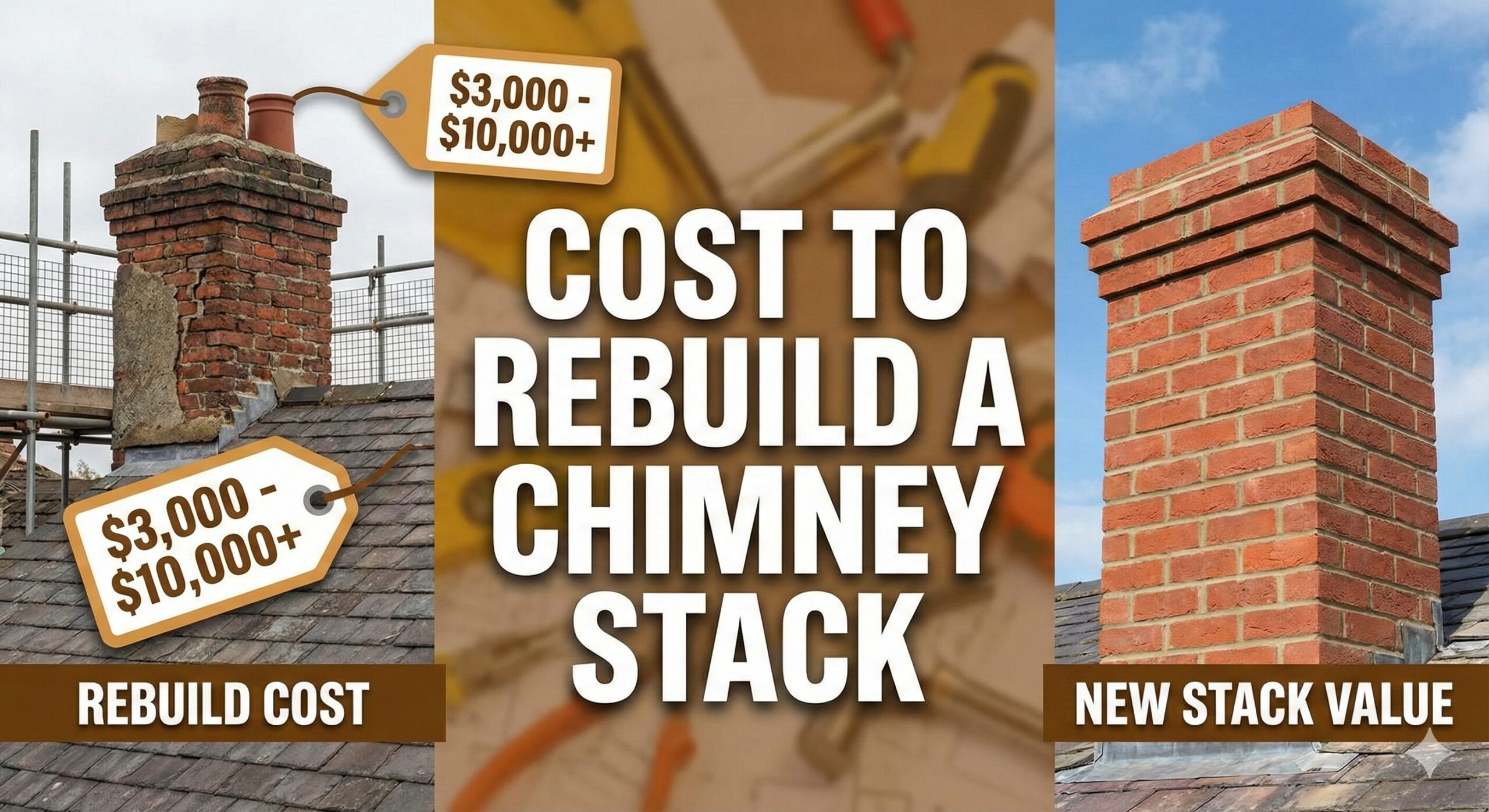
A complete rebuild of a standard-sized chimney stack (from the roofline up) typically falls within the range of $4,000 to $10,000+. This range accounts for average labor, materials, and scaffolding.
Cost Breakdown by Scope:
- Minor Partial Rebuild (Top few courses): If only the top 3-5 courses of bricks and the crown are damaged, a partial rebuild might cost between $1,500 and $3,500. This assumes the lower section of the stack is sound.
- Standard Full Stack Rebuild (from roofline up): As mentioned above, expect $4,000 – $10,000. This is the most common scenario for extensively damaged stacks.
- Large or Complex Chimney Rebuild (multiple flues, intricate design, very tall): Costs can easily exceed $10,000 and could go up to $15,000 or even $20,000+ for very large, historic, or structurally complex chimneys.
Additional Cost Considerations:
- Flue Liner Replacement:
- Clay Tile Liner Replacement: $1,500 – $3,000+ (often done during a rebuild if needed).
- Stainless Steel Liner Installation: $2,000 – $5,000+ (more common for gas or wood stoves, offering superior durability).
- Chimney Crown Replacement:
- Precast concrete: $300 – $800
- Custom-poured concrete: $600 – $1,500+
- Flashing Replacement: $400 – $1,000+, depending on material (aluminum vs. copper/lead) and roof complexity.
- Permit Fees: $50 – $500+, depending on your local municipality.
- Scaffolding Rental/Setup: Often included in labor, but can be an additional $500 – $2,000+ for complex or long-term setups.
Example Scenario:
Consider a standard two-flue chimney stack on a two-story home, approximately 6 feet tall above the roofline. If it requires a full rebuild due to extensive spalling and mortar deterioration, including a new poured concrete crown and basic aluminum flashing, the cost might look like this:
- Demolition & Debris Removal: $800 – $1,500
- Masonry Labor (reconstruction): $3,000 – $6,000
- Materials (bricks, mortar): $500 – $1,000
- New Poured Concrete Crown: $700 – $1,200
- Flashing Replacement: $500 – $800
- Scaffolding: $700 – $1,500
- Permit & Inspection: $100 – $300
- Total Estimated Range: $6,300 – $12,300
This illustrates how quickly costs can add up. Always obtain at least three detailed quotes from reputable, licensed, and insured chimney professionals to get an accurate estimate for your specific project. Remember that homeowner’s insurance may cover sudden damage, but often not deterioration; see if homeowners insurance covers chimney repair.

Expert Insights: Navigating Your Chimney Rebuild Project
Undertaking a chimney stack rebuild is a significant home improvement project. Drawing on expert advice can save you money, prevent headaches, and ensure the longevity and safety of your revitalized chimney. Here are key insights from seasoned professionals in the field.
Prioritize Professional Inspections
“Never assume the extent of the damage without a professional Level 2 chimney inspection,” advises a veteran chimney sweep. “What looks like minor damage on the exterior could be hiding extensive issues with the flue liner or internal masonry. An inspection will dictate the true scope of work, saving you from unnecessary partial repairs that don’t address the root problem.” Regular chimney inspections are crucial for early detection of issues.
Choose Experience Over Low Bid
“When it comes to masonry, especially something structural like a chimney, experience matters more than the lowest price,” says a master mason with over 30 years in the trade. “A cheap bid often means cutting corners on materials, labor, or proper techniques. This will invariably lead to problems down the road, costing you more in the long run. Look for masons who specialize in chimney work and can provide references and a portfolio of similar projects.” Finding the best chimney services is paramount.
Understand Material Choices and Longevity
“Don’t just pick any brick or mortar,” cautions a structural engineer specializing in historical restorations. “The choice of materials should match your existing home and withstand your local climate. For mortar, ensure it’s appropriate for exterior exposure and compatible with your bricks. A well-designed, overhanging concrete chimney crown with a drip edge is non-negotiable for preventing future water damage. It’s the hat that protects your chimney.” He also stresses the importance of using the best mortar for chimney repair and considering the best paint for chimney brick for protection if applicable.
Don’t Skimp on Flashing
“The point where your chimney meets your roof is one of the most common sources of leaks,” highlights a roofing contractor. “Proper step and counter-flashing installation, using durable materials, is critical. It’s a detail often rushed or done incorrectly, but it’s essential for keeping your home dry. If your flashing is old or damaged, replace it during the rebuild. And consider the best chimney flashing sealant for added protection.”
Consider Flue Liner Condition
“A rebuild of the stack is the perfect time to address any issues with your flue liner,” advises a certified chimney sweep. “If your clay tiles are cracked or deteriorating, or if you’re upgrading your heating appliance, investing in a new stainless steel or poured-in-place liner during the rebuild can save you significant costs and hassle compared to doing it as a separate project later.” For those with stainless steel liners, knowing the best chimney brush for stainless steel liner is also useful for maintenance.
Ask About Warranties and Insurance
“Always ensure your contractor is licensed, bonded, and insured,” recommends a consumer protection advocate. “Get all agreements, including scope of work, materials, timeline, and payment schedule, in writing. Ask about their warranty on both labor and materials. A reputable contractor stands behind their work.”
Long-Term Maintenance is Key
“Once your chimney is rebuilt, don’t forget about regular maintenance,” reminds a home inspector. “Annual inspections, prompt repairs of minor issues like hairline cracks or small gaps in mortar, and ensuring your chimney cap is intact (best chimney caps for rain) will significantly extend the life of your new stack. Regular waterproofing treatments can also help protect the masonry.” Knowing how often you should clean a chimney is also a vital part of maintenance.
Frequently Asked Questions About Chimney Stack Rebuilding Costs
How do I know if I need a partial or full chimney stack rebuild?
A professional Level 2 chimney inspection is the only definitive way to determine the extent of damage. Generally, if damage is confined to the top few courses of bricks and the crown, a partial rebuild might suffice. However, if there’s widespread spalling, extensive mortar deterioration, a noticeable lean, or significant damage extending deep into the stack, a full rebuild from the roofline up is typically necessary. An inspector will look for structural integrity, mortar condition, brick quality, and assess the flue liner and flashing.
Can I just repoint my chimney instead of rebuilding it?
Repointing (grinding out old, deteriorated mortar and replacing it with new) is a viable solution for chimneys with sound bricks but failing mortar joints. It’s significantly less expensive than a rebuild. However, if the bricks themselves are severely spalled, cracked, or crumbling, or if the overall structure is compromised (e.g., leaning), repointing won’t solve the underlying issue, and a rebuild will be required. An inspection will clarify which repair is appropriate.
Does homeowner’s insurance cover the cost of a chimney rebuild?
It depends on the cause of the damage. Homeowner’s insurance typically covers sudden and accidental damage, such as damage from a storm, lightning strike, or an unexpected chimney fire. However, it generally does not cover damage resulting from neglect, wear and tear, or gradual deterioration over time. Always review your specific policy and consult with your insurance provider. You can find more information about whether homeowners insurance covers chimney repair here.
How long does a chimney stack rebuild take?
The timeline varies based on the chimney’s size, the extent of the rebuild, weather conditions, and the crew size. A standard full rebuild of a typical residential chimney stack can take anywhere from 3 to 7 days. Larger, more complex chimneys or those requiring extensive flue work might take two weeks or more. This includes setup, demolition, reconstruction, and cleanup.
What is the lifespan of a rebuilt chimney stack?
A properly rebuilt chimney stack, using quality materials and skilled masonry, should last for many decades, often 50 years or more. Its longevity significantly depends on regular maintenance, annual inspections, prompt minor repairs, and effective waterproofing. Investing in a durable chimney cap (best chimney caps for rain) also contributes to its lifespan by protecting against water ingress.
Is a permit required for a chimney stack rebuild?
In most municipalities, yes, a building permit is required for a chimney stack rebuild because it is considered a significant structural repair. Your chimney contractor should be knowledgeable about local building codes and handle the permit application process. Skipping a permit can lead to fines, difficulties with home resale, or the requirement to redo the work.
What questions should I ask a chimney contractor before hiring them?
Ask for proof of license, bonding, and insurance. Inquire about their experience with chimney rebuilds specifically, ask for references, and look at their portfolio. Get a detailed written estimate outlining the scope of work, materials to be used, timeline, and payment schedule. Ask about warranties on their labor and materials. Ensure they will obtain all necessary permits and that cleanup is included in the quote.
How can I prevent my chimney stack from needing another rebuild prematurely?
Regular maintenance is key. This includes annual professional chimney inspections, prompt repairs of minor mortar cracks or spalling, ensuring your chimney crown is in good condition, installing a proper chimney cap (best chimney caps for rain) to keep out rain and animals, and applying a high-quality waterproofing sealant to the masonry every few years. Also, ensuring you burn only best firewood for fireplace and understanding what wood not to burn in fireplace helps maintain the internal flue system.
What’s the difference between a chimney rebuild and a chimney repair?
A chimney repair typically addresses localized, minor issues such as isolated brick replacement, minor repointing, or crown crack repair. It’s less intrusive and less costly. A chimney rebuild, conversely, involves dismantling and reconstructing a significant portion of the chimney stack, usually from the roofline up, due to extensive, widespread structural damage that cannot be safely or effectively repaired otherwise. This is a much larger and more expensive project.
Should I repair or replace my chimney flashing during a rebuild?
During a chimney stack rebuild, it is almost always recommended to replace the flashing. The old flashing will likely be disturbed or damaged during demolition and reconstruction, and installing new, properly integrated flashing ensures a watertight seal with your new masonry. This is a critical step to prevent future leaks and protects your investment in the rebuild. Consider using the best chimney flashing sealant for maximum protection.
Conclusion: Investing in the Longevity and Safety of Your Home
The decision to rebuild a chimney stack is a significant one for any homeowner, primarily driven by the need to ensure the safety, structural integrity, and longevity of their home. While the cost to rebuild a chimney stack can be substantial, ranging from a few thousand to well over ten thousand dollars, it is an essential investment when faced with severe deterioration that compromises the chimney’s function. Ignoring critical damage can lead to far more dangerous and costly consequences, including structural collapse, significant water damage to your home’s interior, and serious health risks from carbon monoxide leaks or chimney fires.
By understanding the factors that influence rebuilding costs – such as the extent of the damage, the size and complexity of the chimney, the materials chosen, and labor rates – you can approach the project with a well-informed perspective. Always prioritize hiring licensed, experienced, and insured chimney professionals who specialize in masonry work. Obtaining multiple detailed quotes and scrutinizing their proposed scope of work and materials will empower you to make the best choice for your home and budget. Remember, a professionally rebuilt chimney stack is not just a repair; it’s an enhancement that adds value, curb appeal, and, most importantly, peace of mind for decades to come.
Regular maintenance and annual inspections post-rebuild are crucial to protect your investment. By taking proactive steps, you can ensure your chimney continues to serve its vital role safely and efficiently, warming your home and protecting your family.
