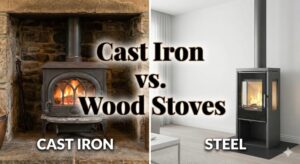
Cast Iron vs. Steel Wood Stoves: The Ultimate Guide to Choosing Your Heater
Tradition meets Technology: Finding the perfect burn for your home
There is a specific romance to heating your home with wood. It connects you to a primal element of survival and provides a type of bone-deep warmth that central heating simply cannot replicate. However, once you have decided to install a wood burner, you are immediately faced with the oldest debate in the hearth industry: Cast Iron vs. Steel.
For decades, cast iron was the undisputed king. It was ornate, heavy, and held heat for hours. But metallurgy has advanced. Modern steel stoves are no longer the thin, warping tin boxes of the past. Today’s steel units are precision-welded beasts that offer incredibly efficient burns.
So, which is right for you? Are you looking for the slow-release radiant heat of iron, or the rapid convection warmth of steel? This guide cuts through the marketing noise to compare the physics, longevity, and aesthetics of both materials.
The Case for Cast Iron (The Classic Choice)
Cast iron stoves are built by pouring molten iron into molds. This manufacturing process allows for beautiful, architectural details—curves, reliefs, and motifs—that are impossible to achieve with steel. But it’s not just about looks.
Thermal Mass & Radiant Heat
The primary advantage of cast iron is thermal mass. These stoves are heavy. Once they get hot, they stay hot. Even after your fire has died down to a bed of coals, a cast iron stove will continue to radiate heat into the room for hours. This creates a consistent, comfortable temperature without the “peak and valley” heating cycles of lighter stoves.
The “Assembly” Factor
Because cast iron parts are molded individually, the stove is bolted and sealed together using furnace cement and gaskets. This allows for easy replacement of individual panels if one cracks, but it also introduces a maintenance requirement: those seals must be checked periodically to prevent air leaks.

A classic example of cast iron durability. This compact stove offers the traditional look and high heat retention perfect for cabins or smaller homes. It features a built-in cooking surface on top.
Check Price on AmazonThe Case for Steel (The Modernist Choice)
Steel stoves are constructed from heavy-gauge steel plates that are cut, bent, and welded together. This results in a unit that is essentially permanently sealed—air leaks between panels are virtually impossible because there are no seams.
Rapid Convection Heat
Steel heats up much faster than cast iron. If you come home to a cold house and want heat now, a steel stove is your best friend. While it cools down faster than iron once the fire is out, many modern steel stoves are lined with firebrick or soapstone to mimic the heat retention of cast iron.
Durability & Design
Steel is more ductile than iron. While cast iron can crack under extreme thermal shock (heating up too fast), steel is more likely to warp—though modern heavy-gauge steel makes warping rare. Aesthetically, steel stoves offer clean lines and a minimalist look that fits perfectly in contemporary homes.
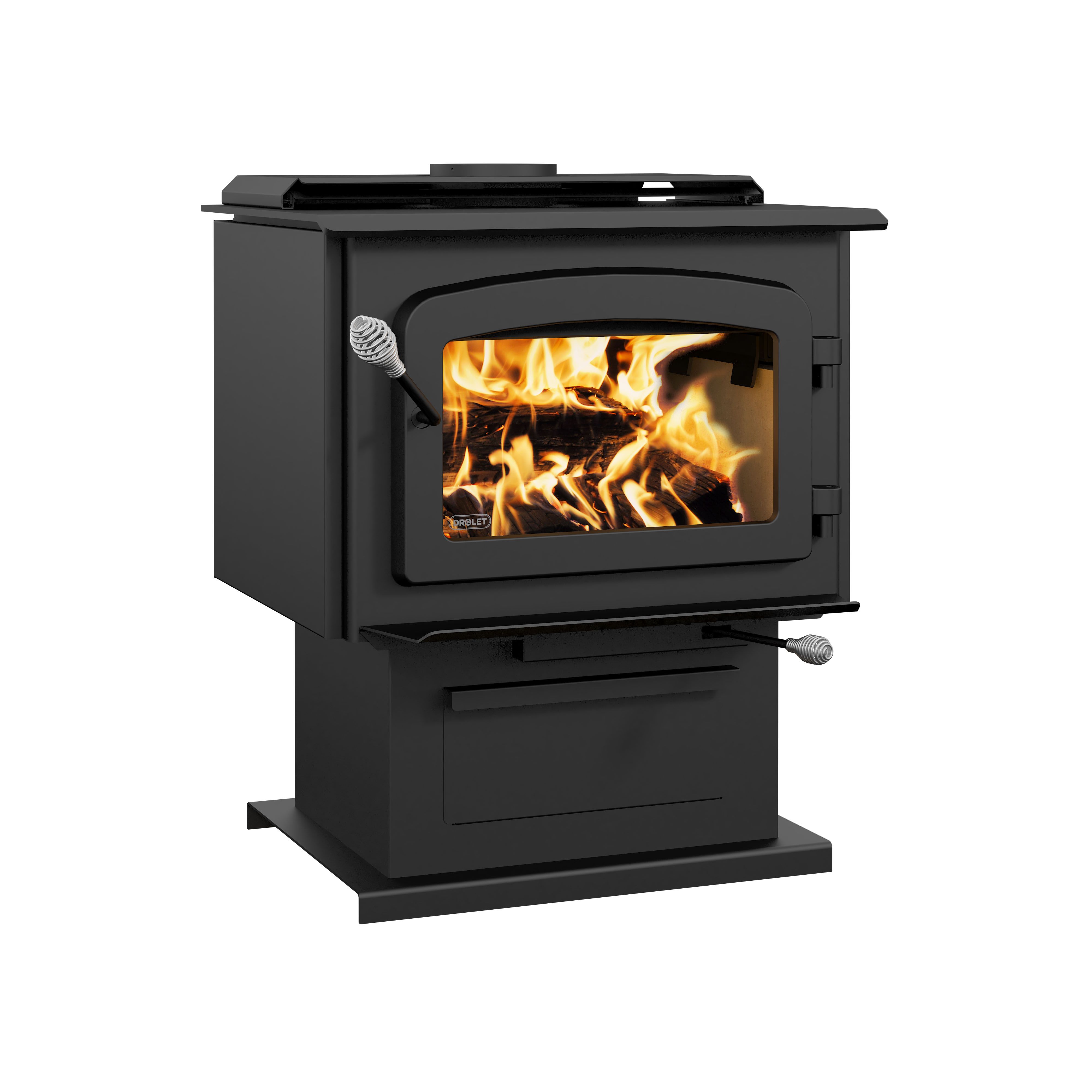
A powerhouse of modern heating. This EPA-certified steel stove heats up to 2,100 sq. ft. and features high-efficiency combustion technology for longer burn times and less smoke.
Check PriceHeating Performance Comparison
Let’s break down the performance metrics side-by-side.
| Feature | Cast Iron | Steel |
|---|---|---|
| Heat Up Time | Slow (30-60 mins) | Fast (15-30 mins) |
| Heat Retention | Excellent (Radiates for hours) | Moderate (Cools quickly unless lined) |
| Heat Type | Radiant (Heats objects/people) | Convection (Heats air) |
| Temperature Spikes | Stable, even heat | Can fluctuate with fire intensity |
Durability & Maintenance: Cracks vs. Warps
Both materials are incredibly durable if treated right, but they fail in different ways.
Cast Iron Maintenance: Every few years, you will need to “re-cement” the stove. As the iron expands and contracts, the gaskets between the plates can degrade, letting air in where it shouldn’t be. This can cause the fire to burn too hot (overfiring). Cast iron can also crack if you spray water on it while hot or drop a heavy log inside.
Steel Maintenance: Steel stoves are generally lower maintenance regarding the body itself. There are no seams to re-seal. However, the internal components (baffle boards, firebricks) are consumable and will need replacement eventually.

Prevent overfiring (cracking iron) or underfiring (creosote buildup). This simple magnetic gauge sticks to your stovepipe and tells you if you are burning in the optimal zone.
Check Price on AmazonAesthetics: Ornate Beauty vs. Industrial Chic
This is often the deciding factor. If you are restoring a Victorian home or a rustic log cabin, Cast Iron is the aesthetic winner. It can be enameled in colors like deep red, cream, or midnight blue, offering a glossy finish that looks like furniture.
Steel stoves are utilitarian. They are usually black boxes. However, European designers have pushed steel into sleek, cylindrical, and pedestal shapes that look stunning in modern, open-concept lofts.
The Hybrid Solution
Can’t decide? Manufacturers now make hybrid stoves. These typically feature a welded steel firebox (for airtight durability) wrapped in a cast iron shell (for thermal mass and beauty). This gives you the low maintenance of steel with the heat retention and looks of cast iron. It is often the best, albeit most expensive, option.

Whether you choose steel or iron, moving the heat is key. This fan sits on top of the stove and generates its own electricity from the heat to push warm air into the room.
Check Price on Amazon