SIKA Sikaflex Construction Sealant 12-Pack Review
By Chimney Insight Editorial Team
Posted on October 22, 2026
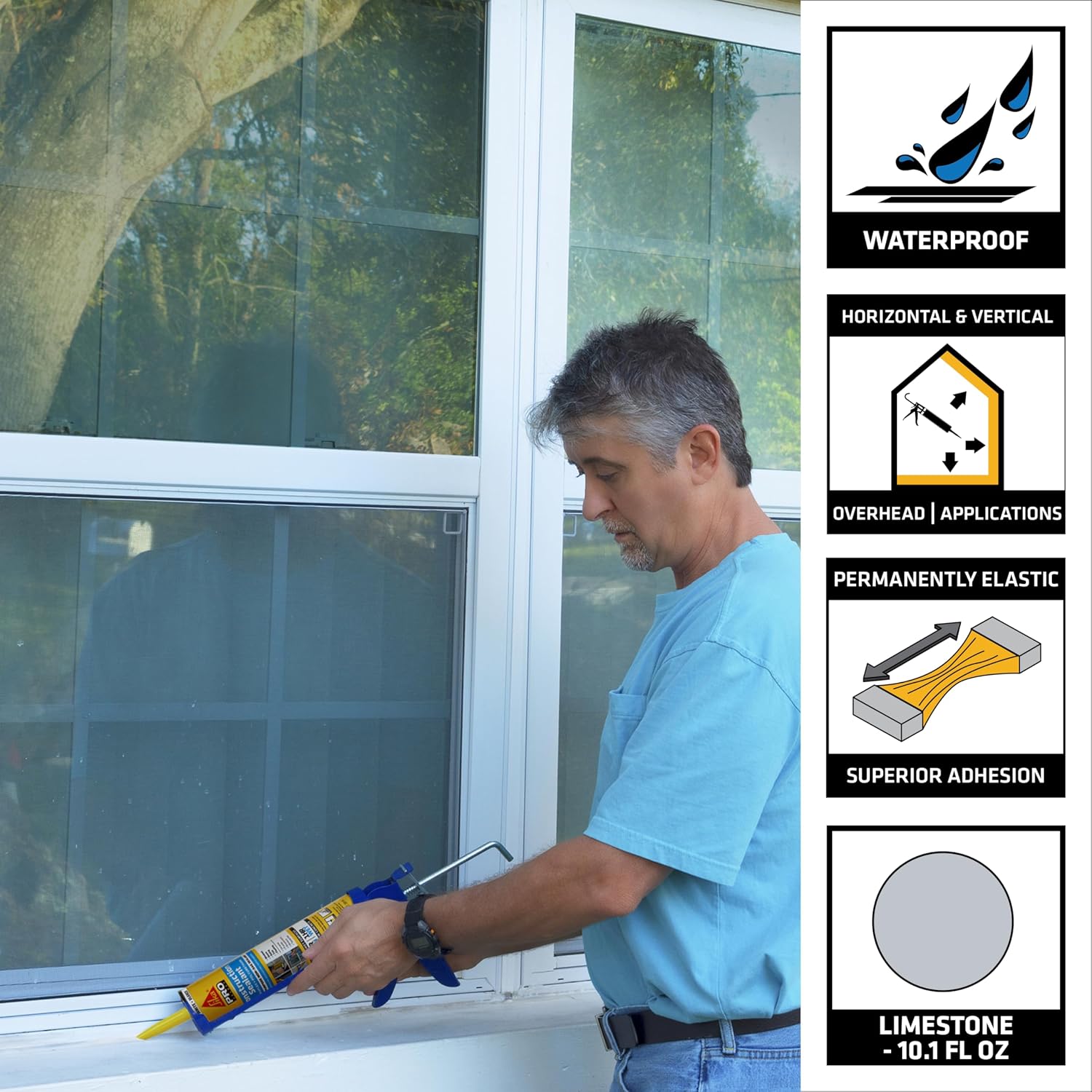
Verdict: A professional-size case of non-sag polyurethane sealant for correctly designed construction joints. Its verified movement rating, weather resistance and broad substrate use are useful, but the 12-cartridge quantity and more demanding preparation make it excessive for a small one-off repair.
Best for: planned masonry, concrete, wood or metal joint work that needs multiple 10.1 fl oz limestone cartridges and follows the manufacturer’s joint geometry.
Check on AmazonAs an Amazon Associate, Chimney Insight earns from qualifying purchases.
Pros and limitations
Pros
- One-component, moisture-cured polyurethane in standard 10.1 fl oz cartridges.
- Non-sag consistency suits vertical as well as horizontal joints.
- Manufacturer documents ±35% joint movement and ASTM C920 Class 35 compliance.
- Designed for many masonry, concrete, wood and metal weatherproofing joints.
- Case quantity can reduce interruptions on a measured multi-joint project.
Limitations
- Twelve cartridges can be wasteful for a small repair, especially with limited shelf life.
- Joint design, backing, surface condition and application temperature are critical.
- Final cure is documented at five to seven days under referenced conditions.
- Not compatible with bituminous or asphaltic materials and sensitive to certain solvents during cure.
- Current label, product sheet and safety sheet must be read before professional use.
Verified specifications
Specifications come from Sika’s official product page and product data sheet. The exact Amazon variant is the limestone 12-pack. Laboratory and manufacturer values are not our field-test results.
Why joint design matters more than the tube
Sikaflex Construction Sealant is not a filler to force into any visible gap. The joint has to allow the cured sealant to stretch and compress without adhering to the bottom. Sika calls for sound, clean, dry, frost-free joint walls; bond-breaker tape or backer rod helps prevent three-sided adhesion. The published guidance also limits depth and width. Ignoring those points can waste an otherwise capable material.
For chimney work, first establish whether the location is actually a sealant joint. Some flashing transitions and movement joints may use a compatible sealant, while cracked mortar, a failed crown, loose masonry or a leaking roof detail can require different repairs. This review does not convert an all-purpose construction sealant into a universal chimney patch.
Is the 12-pack the right quantity?
The case contains twelve 299 ml cartridges. At a 1/4-by-1/4-inch joint, Sika’s coverage table lists about 24.2 linear feet per cartridge. At a 1/2-by-1/2-inch joint, the same cartridge is listed at about 6.1 linear feet. That fourfold difference shows why a project takeoff should use real joint geometry.
Measure total joint length, width and depth, then add a reasonable allowance for starts, stops and waste. Also consider storage. The cited 2018 sheet listed a 12-month shelf life in unopened containers, while the current web page lists 15 months; use the date code and current label on the supplied case as controlling. A bulk case is poor value if half will expire unused.
Preparation and application checks
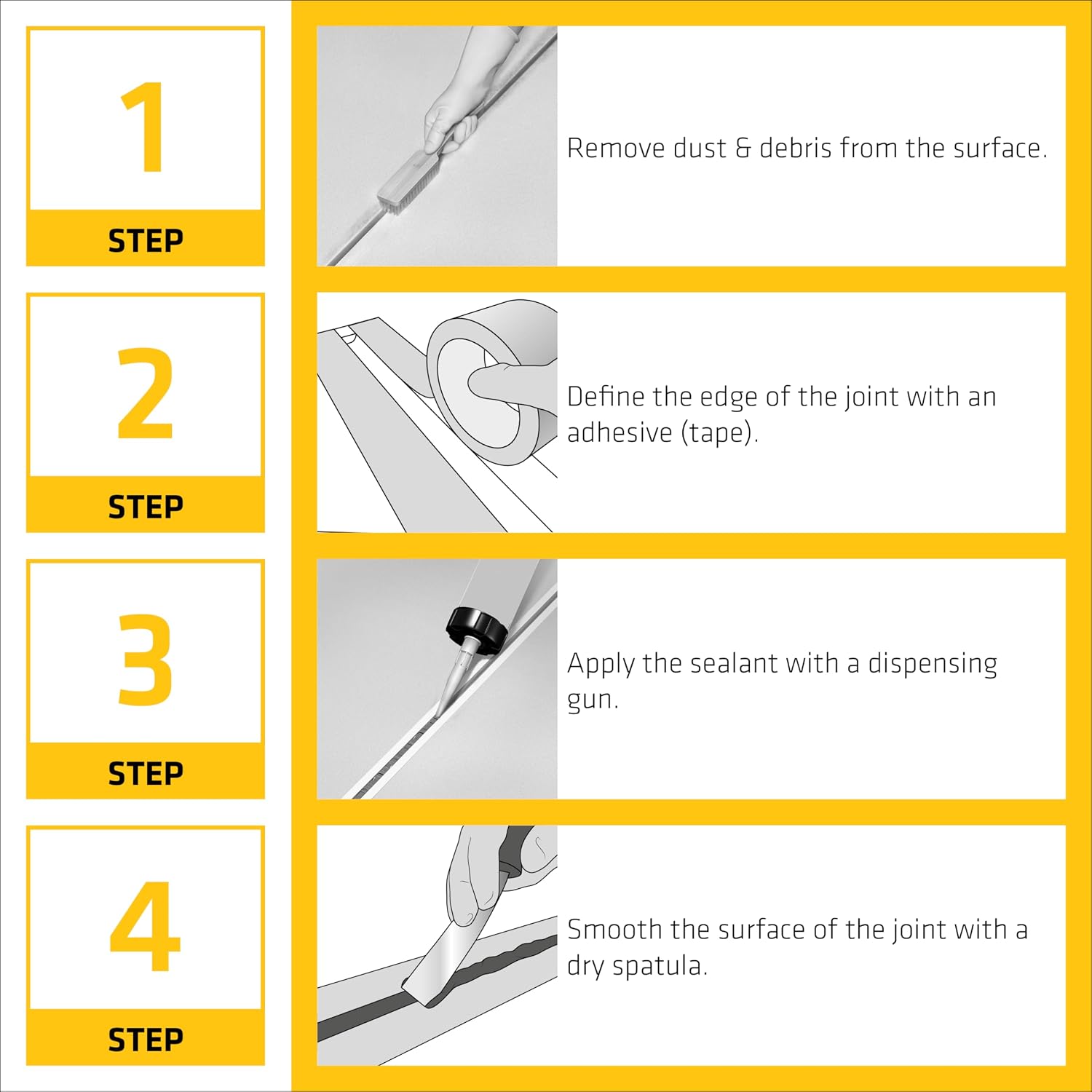
- Identify the joint: verify that flexible sealant is appropriate and that the edges are structurally sound.
- Remove contamination: joint walls must be clean, dry, frost-free and free of oil, grease and other bond breakers.
- Set the depth: use compatible closed-cell backer rod or bond-breaker tape as the instructions require.
- Condition the material: Sika lists 40–100°F application conditions and recommends conditioning cold cartridges near 70°F.
- Gun steadily: fill from the bottom, keep the nozzle in the sealant and avoid trapping air.
- Tool correctly: establish full contact with both joint walls; do not tool with detergent or soap solutions.
- Protect the cure: respect tack-free and final-cure timing, plus any longer requirement before painting or immersion.

Documented performance: what it does and does not prove
Sika’s data sheet reports ±35% movement, weathering resistance, peel adhesion tests on concrete, aluminum and glass, and a 550% elongation-at-break result under specified laboratory conditions. These figures help define the material’s intended performance. They do not guarantee a field joint where the substrate is dusty, weak, saturated, incorrectly shaped or moving beyond its design.
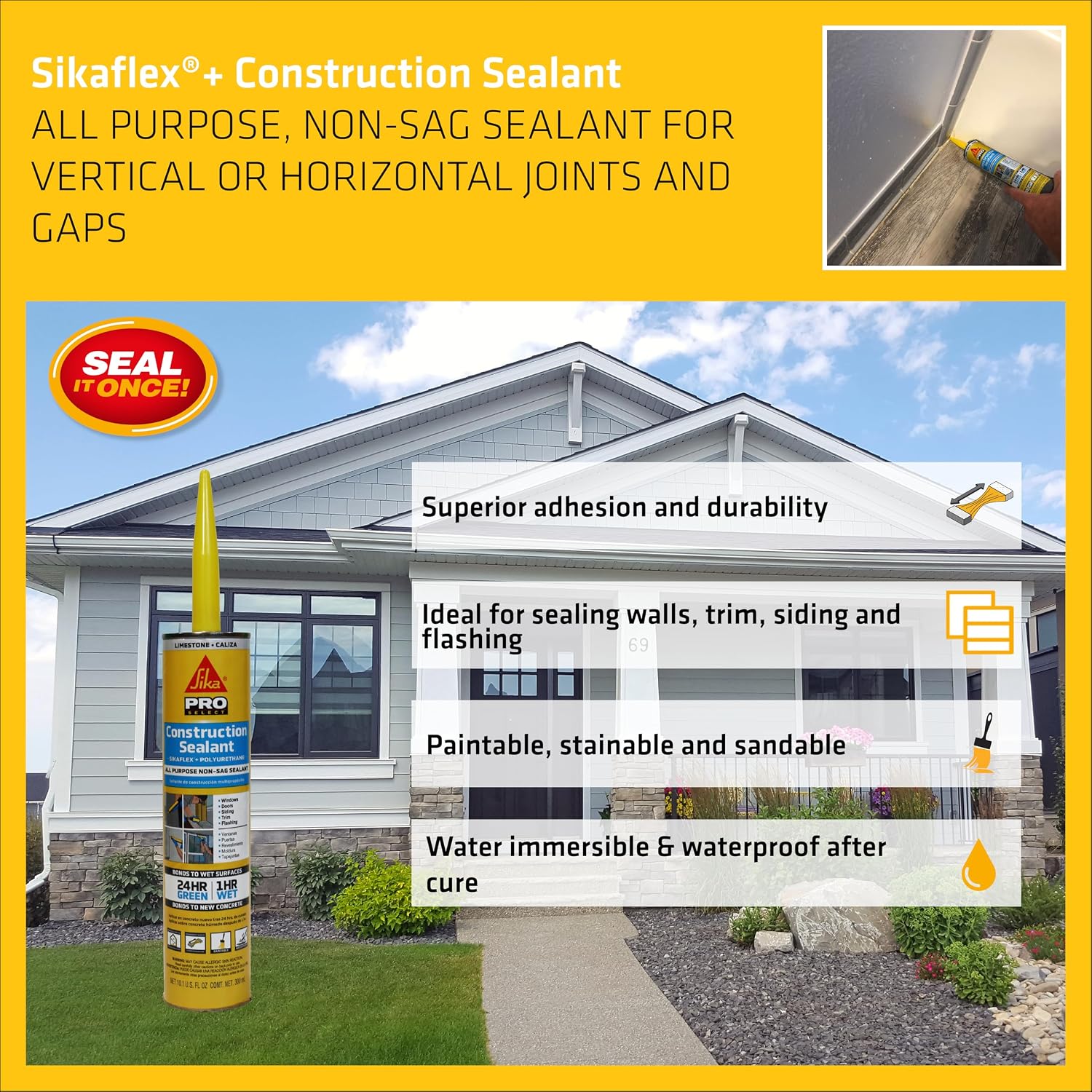
The non-sag formulation is useful on vertical joints because it is intended to stay in place instead of self-leveling. The limestone color can blend with many masonry tones, but it is not a universal mortar match. Make a mock-up when appearance matters, especially if the sealant will be visible next to aged brick or stone.
Compatibility and limitations to check
The product data sheet lists use between brickwork, blockwork, masonry, wood, concrete and metal framing, as well as window and door perimeters and expansion joints. Priming is not usually necessary on many substrates, but Sika says testing may indicate when a primer is required. Treat that as a project decision, not a blanket “no primer” promise.
Do not use the sealant in contact with bituminous or asphaltic materials. Avoid alcohol and solvent cleaners during cure, do not apply where substrate moisture-vapor transmission could cause bubbles, and avoid installation above 100°F. Open cartridges should be used the same day. Paint compatibility needs a mock-up; Sika also calls for a one-week cure before painting or total water immersion in the cited data sheet.
Safety, care and storage
This is a professional polyurethane construction product. Read the actual product label and current safety data sheet, use the specified personal protection and ventilation, and keep it away from children. Follow applicable rules for solvent cleanup, cured waste and cartridge disposal. Cured material generally requires mechanical removal.
Store unopened cartridges within Sika’s stated temperature range and track the case date. Once installed, inspect joints periodically for edge separation, cracking, discoloration or substrate movement. A sealant line cannot stabilize failing masonry or correct water that is entering behind it.
Who should buy it?
Choose the 12-pack for a planned project with enough compatible joint footage to use a case, especially where non-sag placement, construction-material adhesion and a Class 35 movement rating are relevant. It is a better fit for a contractor or organized renovation than for an uncertain emergency patch.
Who should avoid it?
Skip the case if you have not diagnosed the defect, need only one or two cartridges, cannot prepare or back the joint correctly, or are working against asphaltic materials. Structural masonry, active chimney leaks, unsafe roof access and appliance-related damage call for qualified assessment.
Frequently asked questions
Is Sikaflex Construction Sealant self-leveling?
No. The reviewed product is a non-sag sealant. Sika sells other products for self-leveling applications, so verify the exact cartridge name before use.
How long does it take to cure?
The cited data sheet lists 3–6 hours to tack-free and 5–7 days for final cure under referenced conditions. Joint size, temperature, humidity and exposure can change actual timing.
Can it be painted?
Sika lists compatibility with water-, oil- and rubber-based paints but requires compatibility and adhesion testing. The data sheet calls for a one-week cure before painting.
Can it be used on a chimney?
Only where a compatible construction sealant joint is appropriate and within the documented temperature, substrate and design limits. It is not a substitute for repointing, flashing repair or chimney reconstruction.
Why use backer rod?
Backer rod controls depth and helps prevent adhesion at the base of the joint, allowing the sealant to move between its two side walls as designed.
Final decision
Consider it if you have a measured multi-joint project, sound compatible substrates and the ability to follow Sika’s preparation, backing and curing requirements.
Consider another option if you need a small quantity, a self-leveling material, asphalt compatibility or a structural repair.
As an Amazon Associate, Chimney Insight earns from qualifying purchases.