Wood Stove vs Pellet Stove: Efficiency and Output
By Chimney Insight Editorial Team
Posted on November 24, 2025
Disclosure: This page contains affiliate links. We may earn a commission from qualifying purchases at no extra cost to you. As an Amazon Associate I earn from qualifying purchases.
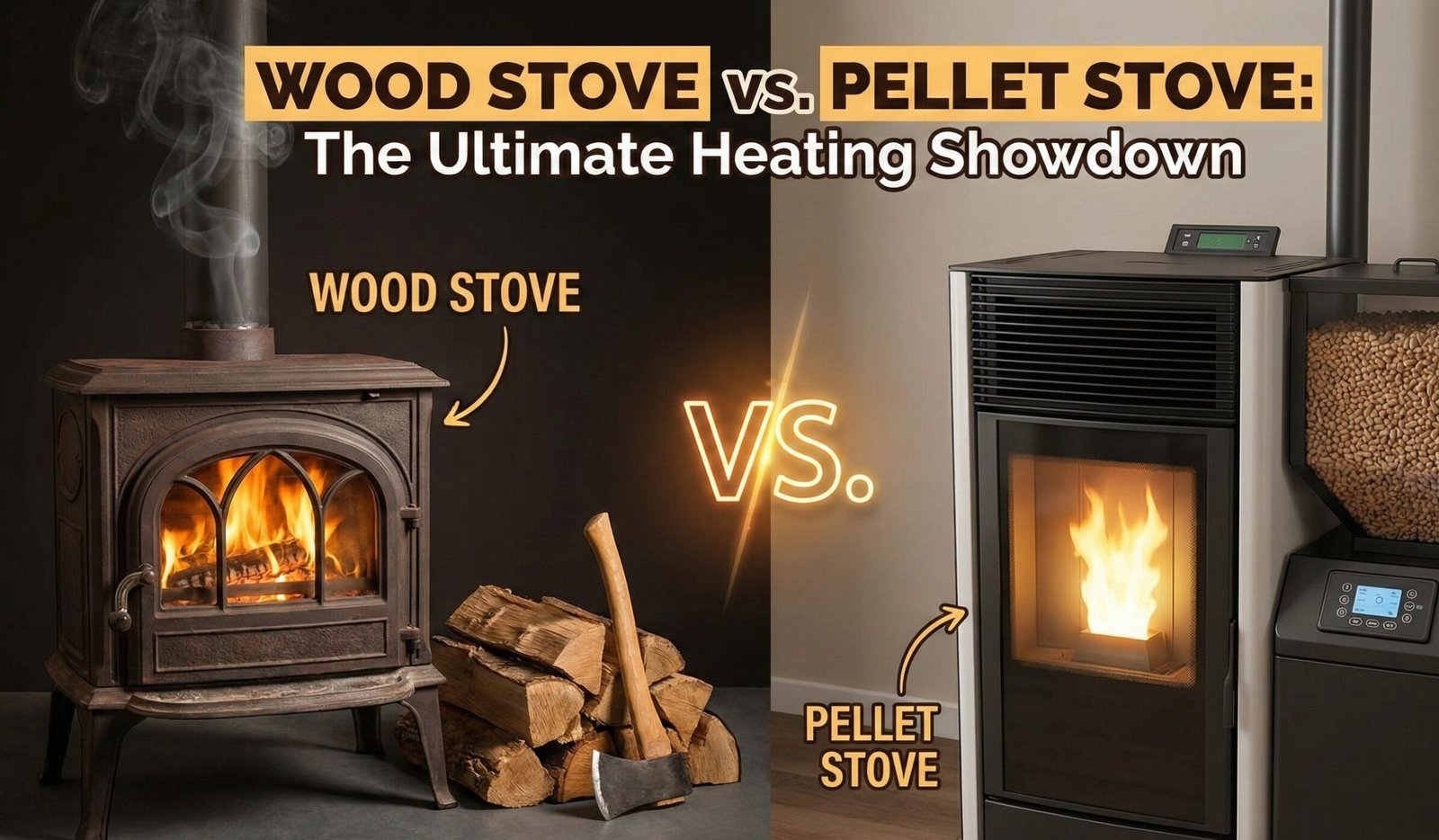
As energy prices fluctuate and the desire for self-sufficiency grows, the debate between wood stoves vs. pellet stoves has never been hotter. Both offer the allure of real fire and localized heat, but they appeal to vastly different lifestyles and home situations. This guide goes deeper than a simple pros-and-cons list — we cover upfront costs, annual fuel costs, heat output sizing, EPA regulations, installation requirements, insurance considerations, carbon monoxide safety, and the real-world experience of living with each appliance day to day.
Are you looking for the rustic independence of chopping your own fuel, or the “set it and forget it” convenience of modern technology? Whether you are heating a cabin in the woods or a suburban living room, this is the most complete comparison you will find. For broader winter home comfort tips, we have you covered there too.
80%
Avg. pellet stove efficiency
75%
Avg. modern wood stove efficiency
$200–500
Typical annual pellet fuel cost
0W
Electricity needed for wood stoves
At a Glance: The Tale of the Tape
Before we dive deep, here is the high-level breakdown of how these two heating titans stack up across every major dimension.
| Feature | Wood Stove | Pellet Stove |
|---|---|---|
| Fuel Source | Seasoned cordwood logs | Compressed sawdust pellets |
| Electricity Required? | No — works in power outages | Yes — auger, fans, controls |
| Efficiency | 70–80% (EPA-certified models) | 80–90% (highly controlled combustion) |
| Heat Type | Radiant + convection | Convective (fan-forced) |
| Heat Output | 30,000–100,000+ BTU/hr | 8,000–90,000 BTU/hr |
| Thermostat Control | Limited | Full thermostat |
| Ambiance | Unbeatable — natural flame & crackle | Consistent flame, fan noise present |
| Fuel Availability | Very wide (local, harvestable) | Wide (hardware stores, online) |
| Fuel Storage | Large outdoor space required | Compact bags stack indoors easily |
| Upfront Cost | $800–$4,000+ installed | $1,500–$5,000+ installed |
| Annual Fuel Cost | $0 (harvested) – $500+ (purchased) | $200–$600 (varies by region) |
| Maintenance Level | High (ash removal, chimney sweep) | Moderate–High (burn pot, complex parts) |
| Repair Complexity | Low (few moving parts) | High (electronics, motors, auger) |
| EPA Certified Options? | Yes | Yes |
| Best For | Off-grid, rural, ambiance | Primary heating, suburban, convenience |
Types of Wood Stoves & Pellet Stoves
Both categories come in several distinct configurations. Choosing the right type is as important as choosing between the two fuel systems.
Wood Stove Types
Freestanding Wood Stove
The classic configuration. A cast iron or steel firebox on legs, positioned in the room with a stove pipe connecting to a chimney. Maximum heat output and design flexibility. Requires non-combustible floor protection.
Fireplace Insert
Slides into an existing masonry or zero-clearance fireplace opening. Transforms an inefficient open hearth into a high-efficiency heating appliance. Requires a liner installed in the existing chimney flue.
Built-In (Zero Clearance)
Factory-built units designed to be framed into a wall like a permanent fireplace. Less common for wood-only applications but offers a clean, integrated look and efficient heat transfer.
Wood Cookstove
Combines a wood-burning firebox with a cooking range and sometimes an oven. Highly practical for off-grid homesteaders. Heats the home while simultaneously providing a cooking surface.
Pellet Stove Types
Top-Feed Pellet Stove
Pellets drop from the hopper above into the burn pot from the top. Simple auger mechanism with fewer clogs on high-quality premium pellets. Less tolerant of low-grade pellets with high ash content.
Bottom-Feed Pellet Stove
Pellets are pushed up from below into the burn pot. More tolerant of lower-grade pellets and higher-ash fuels. Self-cleaning ash removal pushes debris away from the burn zone. Generally preferred for everyday reliability.
Pellet Fireplace Insert
Like a wood insert but uses pellets. Slots into an existing fireplace opening. Combines the aesthetic of a traditional fireplace with the automated convenience and efficiency of a pellet system.
Pellet Boiler / Hydronic
Advanced systems that heat water for radiators or radiant floor heating throughout the entire house. High upfront cost but extremely efficient for whole-home heating. Common in Europe, growing in North America.
BTU Output & Room Sizing Guide
One of the most common mistakes homeowners make is purchasing a stove that is poorly matched to the space they want to heat. An undersized stove will run constantly at maximum output (increasing wear and creosote risk), while an oversized stove forces you to smolder — also increasing creosote and reducing efficiency.
General Rule: A well-insulated home in a moderate climate needs approximately 20–30 BTUs per square foot. Cold climates or poorly insulated homes may need 40–50 BTUs per square foot. Always consult your specific climate zone.
| Room / Area Size | Recommended BTU Range | Suggested Stove Type |
|---|---|---|
| Up to 500 sq ft | 10,000–15,000 BTU/hr | Small pellet stove, small wood insert |
| 500–1,000 sq ft | 15,000–30,000 BTU/hr | Mid-size pellet stove, small freestanding wood stove |
| 1,000–2,000 sq ft | 30,000–60,000 BTU/hr | Full-size pellet stove, standard wood stove |
| 2,000–3,000 sq ft | 60,000–80,000 BTU/hr | Large wood stove, pellet boiler system |
| 3,000+ sq ft | 80,000+ BTU/hr | High-output wood stove, whole-home pellet boiler |
Radiant Heat vs. Convective Heat
Wood stoves produce both radiant heat (infrared energy warming objects and people directly in line of sight) and convective heat (warming the air). This makes a wood stove feel intensely warm even before the room air temperature rises significantly. It is why sitting near a cast iron wood stove feels much warmer than the thermostat reading suggests.
Pellet stoves primarily produce convective heat — a blower fan forces room air across the heat exchanger and redistributes it throughout the space. This creates more even room temperatures and is excellent for whole-room or zone heating, but it lacks the intense “campfire warmth” feeling of a wood stove. For people who want to feel warm without necessarily heating an entire large space, a wood stove’s radiant output can be more satisfying even at lower BTU ratings.
The Wood Stove: Independence & Radiant Heat
The wood stove is the champion of off-grid living. It provides intense radiant heat that warms the objects and people in the room, not just the air. For many homeowners, the ritual of building a fire — splitting kindling, stacking logs, learning the draft — is an essential part of the experience that no amount of technological convenience can replace.
Pros
- Energy Independence: No electricity required. Grid goes down — you stay warm.
- Fuel Flexibility: Harvest your own, buy local, or use fallen trees. See best firewood for fireplaces.
- Longevity: Minimal moving parts. A cast iron stove can outlast its owners.
- Unmatched Ambiance: The look, sound, and smell of real log burning is irreplaceable.
- Lower Repair Cost: Simple mechanisms mean inexpensive repairs.
- No Power Dependency: No circuit boards or motors to fail.
Cons
- Labor Intensive: Cutting, splitting, stacking, and hauling is demanding work. You need solid firewood storage solutions.
- Messy: Bark, insects, and ash spread through the home.
- Learning Curve: Draft control, fire-building skill, and wood species knowledge all take time to develop.
- No Thermostat: Temperature is controlled manually by adjusting air dampers.
- Higher Chimney Maintenance: Wood creates more creosote than pellets.
Crucial Tip: Wood stoves demand dry fuel. Burning wet, unseasoned wood is dangerous and inefficient. Always know the difference between seasoned vs. unseasoned firewood to prevent creosote buildup and chimney fire risk.
The Overnight Burn Advantage
One of the most practical capabilities of a wood stove is its ability to maintain heat through an overnight burn. A firebox loaded with dense hardwood — oak, hickory, or maple — with the air supply carefully restricted produces a slow, sustained combustion that can keep a coal bed alive for 6–10 hours. In cold climates, this means loading the stove before bed and waking to a warm house with glowing embers ready to restart the morning fire with a single log.
Pellet stoves can technically also run overnight on their thermostat, but the mechanical nature of the system (running motors, auger, fans, and electronics continuously) introduces the possibility of mechanical failure or power interruption during the night.
The Pellet Stove: Convenience & Technology
Pellet stoves are automated biomass heaters. You pour a bag of pellets into a hopper, set a thermostat, and an auger motor feeds pellets into the burn pot automatically at a controlled rate. The system adjusts fuel delivery to maintain a set temperature, burning cleaner and more consistently than almost any manually operated wood stove.
Pros
- Thermostat Convenience: Set the temperature and walk away. Fully automated fuel delivery.
- Cleaner Fuel: Pellets arrive in tidy 40 lb bags. No bark, no insects, no mess.
- Superior Efficiency: Controlled combustion rates achieve 80–90% efficiency.
- Lower Emissions: EPA-certified pellet stoves produce very little particulate matter.
- Simpler Venting: PL exhaust vent often exits through a wall — no full vertical chimney required. See venting options.
- Compact Fuel Storage: Bags stack neatly in a garage or basement.
Cons
- Power Dependency: Complete shutdown during power outages unless battery backup is installed.
- Mechanical Complexity: Motors, augers, circuit boards, and fans all require eventual repair or replacement.
- Blower Noise: The combustion and distribution fans produce a constant background hum.
- Higher Repair Costs: Specialized parts and electronics mean more expensive service calls.
- Pellet Quality Sensitivity: Top-feed models are sensitive to low-grade pellets.
How the Pellet Stove Mechanism Works
Understanding the internal mechanics of a pellet stove is important for both maintenance and troubleshooting. The system has four main components working in concert: the hopper (a storage bin holding 35–130 lbs of pellets depending on stove size), the auger (a rotating screw drive that moves pellets at a controlled rate), the burn pot (where combustion occurs, with an igniter rod that starts the fire automatically), and the blower system (typically two fans — one supplying combustion air to the burn pot, one distributing heat into the room).
A control board manages the interaction between all components, adjusting auger speed to increase or decrease heat output based on the thermostat setting. This closed-loop system is what gives pellet stoves their remarkable efficiency and temperature consistency — but it is also the source of their higher maintenance demands and vulnerability to power interruption.
Full Cost Comparison: Upfront, Fuel & Lifetime
Cost is one of the most decisive factors in the wood vs. pellet decision. But the comparison is more nuanced than simply comparing sticker prices. You must consider upfront appliance and installation costs, annual fuel costs, annual maintenance costs, and the expected service life of each appliance.
Upfront Purchase & Installation Costs
| Cost Item | Wood Stove | Pellet Stove |
|---|---|---|
| Appliance (Entry Level) | $800–$1,500 | $1,500–$2,500 |
| Appliance (Mid-Range) | $1,500–$2,500 | $2,500–$4,000 |
| Appliance (Premium) | $2,500–$4,000+ | $4,000–$6,000+ |
| Chimney / Venting Installation | $1,500–$4,000 (Class A pipe) | $500–$1,500 (PL vent, wall exit) |
| Hearth Pad / Floor Protection | $100–$500 | $100–$400 |
| Permits & Inspection | $50–$300 | $50–$200 |
| Typical Total Installed | $2,500–$8,000 | $2,500–$9,000 |
Annual Fuel Costs
This is where the comparison gets most interesting — and most variable. The wood stove can offer genuinely zero fuel cost for homeowners who harvest their own timber, making it the most economical long-term choice in rural areas. For those who buy cordwood, the math becomes more competitive.
Wood Stove: Annual Fuel Cost Estimate (Purchased Cordwood)
Supplemental heating (~2 cords/season): $300–$600
Primary heating (~4–6 cords/season): $600–$1,400
Note: Self-harvested wood reduces this to near $0 (equipment and labor only).
Pellet Stove: Annual Fuel Cost Estimate
Supplemental heating (~1–2 tons/season): $200–$500
Primary heating (~4–6 cords/season): $600–$1,400
Note: Self-harvested wood reduces this to near $0 (equipment and labor only).
Annual Maintenance Costs
| Maintenance Item | Wood Stove | Pellet Stove |
|---|---|---|
| Annual chimney sweep | $150–$300 | $100–$200 |
| Replacement gaskets / rope seals | $20–$80 | $20–$60 |
| Mechanical repairs (auger, motors, boards) | Rare — $0–$100 | Every few seasons — $100–$600+ |
| Electricity (for pellet stove fans) | $0 | $50–$100/season |
| Typical Annual Maintenance | $170–$380 | $270–$960+ |
“For rural homeowners with timber access, a wood stove is the most economical heating choice available. For suburban households who value convenience over self-sufficiency, pellet stoves deliver superior efficiency and ease at a competitive annual cost.”
Fuel Guide: Pellet Grades & Firewood Quality
Pellet Fuel: Premium vs. Standard Grade
Not all pellets are the same, and using low-quality fuel in a pellet stove is a fast path to operational problems. The pellet industry uses a grading system based primarily on ash content and BTU output:
| Grade | Ash Content | BTU/lb | Best For |
|---|---|---|---|
| Premium Grade | Less than 1% | 8,000–8,600 BTU/lb | All stove types, including top-feed models. Recommended for most residential use. |
| Standard Grade | 1–3% | 7,500–8,200 BTU/lb | Bottom-feed stoves that handle higher ash content more effectively. Lower cost. |
| Utility Grade | 3%+ | Variable | Commercial boilers with frequent cleaning cycles. Generally not recommended for residential stoves. |
Pellets are also categorized by wood species — hardwood pellets (oak, maple) tend to produce slightly more BTUs and less ash than softwood pellets (pine, fir), though premium-grade softwood pellets are perfectly acceptable in most stoves. Avoid pellets made from treated wood waste, which can produce harmful combustion byproducts.
Firewood Quality for Wood Stoves
The quality rules for wood stove fuel are well-established: the wood must be properly seasoned (below 20% moisture content), split to appropriate size for your firebox, and free from treatment or contamination. Dense hardwoods like oak and hickory provide the best long-term burn and coaling performance. For a complete species comparison and BTU data, see our guide on best firewood for fireplaces.
EPA Certification & Air Quality Regulations
If you are purchasing a new stove today, EPA certification is not optional in most U.S. states — it is mandatory. The Environmental Protection Agency regulates the sale of residential wood-burning appliances under its New Source Performance Standards (NSPS), and compliance affects not only legal installation but also insurance eligibility, local burn bans, and long-term home resale.
What EPA Certification Means
EPA-certified stoves are tested and certified to emit particulate matter (PM2.5) below specified limits. The current EPA Step 2 standard (in effect since May 2020) requires certified wood heaters to emit no more than 2.0 grams of PM2.5 per hour. Many premium models far exceed this standard, with emissions below 1 gram per hour. Pellet stoves, by nature of their controlled combustion, typically emit 0.5–1.5 grams per hour, putting them comfortably within EPA standards.
Important: Selling uncertified wood heaters is illegal in the U.S. If you are considering a used stove, verify its EPA certification status before purchase. An uncertified stove may also be excluded from your homeowner’s insurance coverage and may violate local air quality ordinances.
Local Burn Bans
Many municipalities — particularly in the western U.S. and areas with air quality challenges — enforce seasonal or air-quality-triggered burn bans. These typically restrict or prohibit wood burning on days when PM2.5 pollution is forecast to exceed safe levels. EPA-certified pellet stoves are often exempt from these burn bans because of their low emissions. Wood stoves, even EPA-certified ones, may be restricted.
If you live in an area with frequent burn ban days, a pellet stove offers a significant practical advantage — you can continue heating your home when wood stoves must be shut down.
Power Outages & Heating Reliability
This is one of the most consequential practical differences between the two appliance types, and it is often underweighted in buying decisions until a power outage actually occurs.
Wood Stove in a Power Outage
A wood stove requires zero electricity. It operates entirely on natural draft, gravity, and manual air control. When the grid goes down — storm, ice event, emergency — the wood stove continues heating your home without interruption. This is a critical advantage in rural areas, cold climates, and regions with unreliable grid infrastructure.
Pellet Stove in a Power Outage
A pellet stove requires continuous electricity. The moment power fails, the auger stops, the fans stop, and the fire goes out. The stove will not restart until power is restored. For homeowners in areas with frequent or extended outages, this is a serious vulnerability.
Battery Backup Solutions for Pellet Stoves
The power vulnerability of pellet stoves can be partially addressed with an uninterruptible power supply (UPS) or a dedicated battery backup system. A quality UPS can power a pellet stove’s control systems and blower for several hours during a short outage. For longer or more frequent outages, a small generator or whole-home battery backup system provides adequate protection. Budget $100–$400 for a quality UPS capable of running a pellet stove for 4–8 hours.
If grid reliability is a significant concern in your area — particularly in regions prone to winter storms, ice events, or wildfires affecting infrastructure — the off-grid independence of a wood stove carries real monetary and safety value that does not show up in the basic cost comparison.
Maintenance: The Grit and the Grime
Regardless of your choice, combustion creates byproducts. Both appliances require consistent maintenance — though the nature of that maintenance differs significantly between the two.
Wood Stove Maintenance Schedule
- Daily (During Season): Remove ash from the firebox into a metal bucket with a tight lid. Allow ash to cool for at least 72 hours before disposal — live embers remain dangerous long after apparent cooling. Check door gasket condition and glass.
- Weekly: Inspect glass and clean with ash or commercial glass cleaner. Check stovepipe joints. Look for any signs of rust, warping, or discoloration indicating excessive temperatures.
- Monthly (Heavy Use): Inspect the flue with a flashlight for creosote deposits. Check that the damper operates freely. Clean any accumulated ash from the flue connector.
- Annually: Professional chimney sweep and inspection. Replace door and ash pan gaskets as needed. Inspect catalytic combustor if applicable — replace every 6–10 seasons. Check chimney cap, flashing, and crown for damage.
Pellet Stove Maintenance Schedule
- Daily: Scrape ash from the burn pot. A clogged burn pot is the number one cause of pellet stove shutdowns. The process takes 2–3 minutes but must not be skipped.
- Weekly: Vacuum ash from the ash drawer and burn pot area using a specialized ash vacuum. Clean the heat exchange tubes or fins to maintain heat transfer efficiency.
- Monthly: Clean the distribution blower blades. Vacuum the hopper and auger area. Inspect the door gasket for proper seal. Check exhaust vent for blockage (birds, nests, ice).
- Annually: Full professional cleaning and inspection. Lubricate auger motor bearings. Test igniter operation. Inspect exhaust system. Replace worn gaskets. Check all electrical connections.
The biggest risk for wood stove owners is creosote. You must understand chimney fire warning signs. Regular sweeping is non-negotiable — use the best chimney brush if you have a liner. For pellet stoves, a specialized ash vacuum is essential because standard shop vacs cannot filter fine ash particles and will blow them back into the room.
Unsure about doing it yourself? The best chimney services offer complete annual maintenance packages for both appliance types.
Installation & Venting Requirements
Wood Stove Installation
Wood stoves typically require a Class A double or triple-wall insulated chimney pipe that exits through the roof. This is the most expensive and structurally complex installation requirement. The pipe must maintain specified clearances from combustible materials throughout its run, and the roof penetration requires careful attention to flashing and sealant to prevent water intrusion. If you are retrofitting into an existing masonry chimney, a stainless steel liner is typically required.
The stove itself must sit on non-combustible floor protection (a hearth pad) that extends the required distance in front of the door opening. Wall clearances must be maintained unless a UL-listed heat shield is installed to reduce clearances.
Pellet Stove Installation
Pellet stoves use a specialized PL (pellet liner) vent system rather than a standard chimney. Because pellet combustion is so complete and the exhaust gases are relatively cool compared to wood smoke, the exhaust can exit horizontally through a wall in most installations — significantly reducing installation cost and complexity. The exhaust pipe is typically 3–4 inches in diameter, insulated, and exits through an exterior wall with a termination cap.
Installing proper termination caps on the pellet exhaust is critical. Moisture intrusion into the exhaust system can cause corrosion of internal components, and the warm exhaust creates an attractive nesting site for birds and small animals. Learn how to deal with chimney birds before it becomes a problem.
Note: Both appliance types require permits in most jurisdictions. Never install without pulling the appropriate permits — improper installation is grounds for insurance claim denial and potential liability in the event of a fire.
Carbon Monoxide & Fire Safety
Both wood and pellet stoves are safe when properly installed and maintained, but both can become dangerous if neglected. Understanding the specific risks of each allows you to implement appropriate safeguards.
Carbon Monoxide: The Invisible Danger
Carbon monoxide (CO) is produced by incomplete combustion of any fuel — wood, pellets, gas, or otherwise. In a properly functioning, well-vented stove, CO is exhausted safely outside the home. CO poisoning risk increases with:
- Blocked or damaged venting: A collapsed flue, bird nest, ice blockage, or disconnected pipe section can cause CO to back-draft into the living space.
- Negative air pressure: In tight modern homes, exhaust fans and other appliances can create conditions where the chimney back-drafts CO into the room.
- Door gasket failure: A worn or damaged door gasket on either stove type allows combustion gases to leak directly into the room.
- Pellet stove power failure mid-burn: When power fails during active combustion, the exhaust fan stops. Residual combustion gases may temporarily back-draft until the fire completely extinguishes.
Non-Negotiable Safety Requirements: Install UL-listed carbon monoxide detectors on every level of your home, including within 15 feet of any combustion appliance. Test monthly and replace batteries annually. CO detectors save lives.
Fire Safety Basics
- Maintain all required clearances to combustible materials — never reduce clearances without approved heat shields.
- Use a fireplace screen or glass doors to prevent sparks from escaping wood stoves.
- Keep flammable materials (rugs, furniture, curtains) at least 36 inches from any stove.
- Never burn garbage, treated wood, or accelerants in either appliance type.
- Keep a fire extinguisher rated for Class A fires within 10 feet of the stove.
Insurance, Permits & Legal Compliance
Installing a wood or pellet stove is a significant home improvement that affects your homeowner’s insurance policy. Failing to properly disclose and document your installation can result in denied claims, policy cancellation, or personal liability in the event of a fire. This is a section that deserves careful attention before you purchase.
Notifying Your Insurance Company
Most homeowner’s insurance policies require you to notify the insurer before installing a solid-fuel burning appliance. The insurer will typically want to know the make and model of the stove, its EPA certification status, the installer’s credentials, and that all required permits and inspections were completed. In return, you may see a small premium increase, but the coverage is maintained. Failing to disclose can result in a complete denial of fire-related claims.
For more detail, see our guide: Does homeowners insurance cover chimney repair?
Permits: What You Typically Need
Most jurisdictions require a building permit for stove installation. The permit process typically includes a plan review (verifying clearances and vent routing) and a post-installation inspection by a building official. Some localities also require the installer to be a licensed contractor. The cost is typically $50–$300 and takes 1–4 weeks for approval. Never skip permits — they protect your legal standing and your insurance coverage.
Using a Certified Installer
For both stove types, using a CSIA-certified sweep for chimney work and NFI-certified installer for stove installation provides the best protection. NFI (National Fireplace Institute) certification demonstrates competency in solid-fuel appliance installation, which is documented proof that your installation meets standards — documentation your insurance company may request after a claim.
Thermostats & Smart Home Integration
For homeowners who prioritize automation and integration with their existing home systems, the two stove types offer dramatically different levels of control technology.
Pellet Stove Controls
Modern pellet stoves are essentially sophisticated appliances with onboard computers. Most include a built-in digital thermostat, programmable daily schedules, and multi-speed heat settings. Premium models from manufacturers like Quadra-Fire, Harman, and Ravelli include Wi-Fi connectivity and smartphone app control — allowing you to adjust temperature, monitor pellet levels, and receive maintenance alerts from anywhere.
This level of automation means a pellet stove can function much like a furnace: set the temperature at 68°F, program it to drop to 60°F overnight and return to 68°F at 6 a.m., and the stove manages itself with no manual intervention.
Wood Stove Controls
Traditional wood stoves offer only manual draft control — adjusting air inlets to increase or decrease combustion rate. Some models include a thermostatic bi-metallic spring damper that automatically adjusts air flow as firebox temperature rises, providing a basic form of self-regulation. However, no wood stove can match the thermostat precision of a pellet stove.
For wood stove users who want better temperature monitoring, aftermarket stove thermometers (both magnetic and probe types) and flue temperature gauges help optimize burn quality. A stovepipe thermometer reading in the 250–475°F range at the flue connector indicates efficient combustion — below 250°F risks creosote; above 475°F indicates an overly aggressive burn.
Zone Heating Strategy: Using Your Stove Intelligently
Zone heating — the practice of using a supplemental heating appliance to heat only the rooms you actively occupy, rather than running the central system to heat the entire home — is one of the most effective ways to reduce energy bills with either stove type.
The concept works because most homes are significantly over-heated in unused rooms. If a family of four spends 70% of their winter hours in a kitchen/dining/living room area, heating only that zone with a stove while setting the central thermostat to 55–60°F can reduce overall heating costs by 20–40%.
Zone Heating with a Wood Stove
Wood stoves excel at intense zone heating in the room where they are installed. The radiant heat is highly effective in the immediate area (typically 400–800 sq ft), creating a warm, comfortable focal zone. For open floor plans, a centrally placed stove can effectively serve a larger area. The limitation is that the heat does not distribute to adjacent rooms as effectively without active circulation.
Zone Heating with a Pellet Stove
Pellet stoves with their powered distribution fans are somewhat better at pushing heat into adjacent areas, though they still work best as zone heaters rather than whole-home systems. The thermostat capability is a significant advantage for zone heating — you can set the pellet stove to maintain 70°F in the main living area while the central system maintains 58°F throughout the rest of the house, saving fuel in both systems simultaneously.
Zone Heating Tip: Install your stove in the most-used living space — typically the main family area. Place a ceiling fan on its lowest setting to push rising warm air back down and help distribute heat more evenly throughout the zone.
Impact on Home Resale Value
Both wood and pellet stoves can positively affect home resale value, but the impact depends heavily on the local market, buyer demographics, and the quality of the installation. Here is what real estate data and buyer surveys consistently show:
Wood Stove & Resale
In rural markets, cold-climate regions, and among buyers who value self-sufficiency, a wood stove — particularly one installed in an attractive masonry or stone surround — is a genuine selling point. It adds perceived value beyond its heating function, contributing to a home’s character and aesthetic. In suburban markets or among buyers unfamiliar with wood stove operation, it may be viewed as a maintenance burden or safety concern.
Pellet Stove & Resale
Pellet stoves are generally viewed as appliances rather than architectural features. Buyers in energy-conscious markets may value the efficiency and eco-credentials, while others may be concerned about the ongoing need to purchase pellets. A well-maintained pellet stove with documented service history is viewed more favorably than one with visible wear or unclear maintenance background.
In both cases, documentation matters. Keep records of all permits, inspections, annual sweeps, and professional service visits. Providing a buyer with a complete maintenance file significantly reduces their perceived risk and supports the asking price for the improvement.
Environmental Impact: Which Is Greener?
Both wood and pellet stoves are biomass heaters — they burn organic plant material rather than fossil fuels like natural gas or heating oil. This places them in a fundamentally different environmental category from fossil fuel heating systems. However, “biomass” is not a monolithic category, and the environmental credentials of the two appliances differ in meaningful ways.
Carbon Emissions Comparison
On a carbon basis, both stoves release CO₂ from combustion that was absorbed by the wood during its growth — creating a theoretical carbon cycle rather than adding net-new fossil carbon to the atmosphere. Pellet stoves carry a slight additional carbon footprint from the industrial manufacturing process (drying, compressing, and packaging the pellets) and transportation, but this is typically outweighed by their superior combustion efficiency.
Particulate Emissions
This is where pellet stoves hold a clear advantage. EPA-certified pellet stoves typically emit 0.5–1.5 grams of PM2.5 per hour, compared to 1.0–3.0 grams per hour for modern EPA-certified wood stoves — and dramatically less than older uncertified wood stoves, which can emit 15–30+ grams per hour. For urban and suburban households where air quality affects neighbors, pellet stoves are the significantly cleaner choice.
Fuel Source Sustainability
| Factor | Wood Stove Fuel | Pellet Stove Fuel |
|---|---|---|
| Primary source | Tree logs from managed forests or private land | Sawmill waste, wood manufacturing byproducts |
| Waste utilization | Can use storm damage, land clearing, etc. | Primarily uses sawdust that would otherwise be waste |
| Local sourcing | Typically very local (reduces transport emissions) | Usually local to regional manufacturing |
| Processing energy | Minimal (splitting, stacking) | Moderate (drying, pressing, packaging) |
From a waste-utilization perspective, pellets are genuinely sustainable — they convert sawmill and wood-processing waste into useful fuel rather than sending it to landfill or burning it in slash piles. Wood stoves, when fueled from responsibly managed local timber, are also environmentally sound. The least sustainable approach — for either system — is burning wood that could have remained standing as a carbon store.
Troubleshooting Common Problems
Wood Stove Troubleshooting
| Problem | Likely Cause | Solution |
|---|---|---|
| Smoke entering the room | Cold flue, blockage, negative pressure | Warm the flue with a burning paper roll before loading. Check for blockages. See draft problems guide. |
| Poor draft / fire dies | Wet wood, insufficient air supply, undersized flue | Verify wood moisture. Open air inlets fully for starting. Check for debris in flue. |
| Excessive soot on glass | Burning wet wood or low-temperature smoldering | Only burn seasoned wood. Increase air supply. Clean glass with ash paste. |
| Door gasket leaking | Worn rope gasket | Replace the door rope gasket annually or as needed ($15–$40 DIY). |
| Creosote buildup | Wet wood or smoldering fires | Switch to properly seasoned hardwood. Schedule immediate professional cleaning. |
Pellet Stove Troubleshooting
| Problem | Likely Cause | Solution |
|---|---|---|
| Stove not igniting | Failed igniter rod, clogged burn pot | Test igniter with multimeter. Clean burn pot thoroughly. Replace igniter rod if needed. |
| Shuts down during operation | Clogged exhaust, overheating, low-quality pellets | Clean exhaust pipe. Check airwash and heat sensors. Switch to premium pellets. |
| Excessive ash / clinkers | Low-grade pellets with high ash content | Switch to premium-grade pellets under 1% ash content. |
| Blower noise increasing | Dirty or worn blower fan bearings | Clean fan blades. Lubricate bearings. Replace fan if noise persists. |
| Auger jams | Pellet debris bridging in hopper | Clear hopper. Break up bridged pellets. Consider higher-quality pellets with less dust. |
| Error code on display | Sensor, pressure, or mechanical fault | Consult manufacturer service manual for specific error codes. Contact authorized service technician. |
Watch the Breakdown
For a visual comparison of daily life with both stoves in real homes, this breakdown covers the key operational differences:
Essential Stove Accessories
Whether you choose wood or pellet, these highly rated tools improve safety, efficiency, and daily comfort.
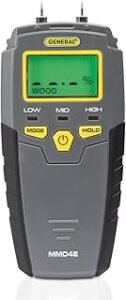
Digital Moisture Meter
Essential for wood stove owners. Never burn wet wood again. Ensures efficiency and chimney safety with instant readings.
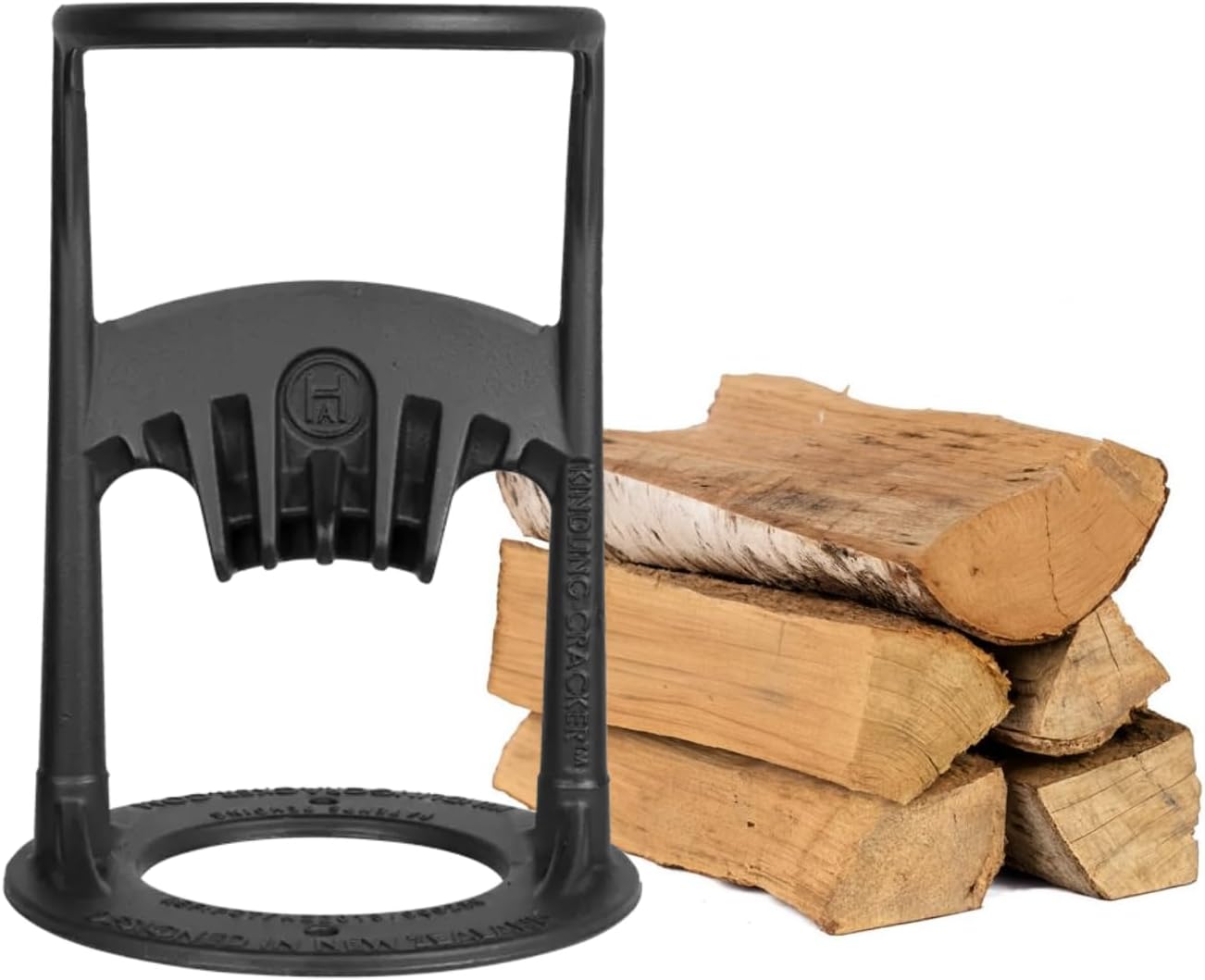
Ash Vacuum Cleaner
Standard shop vacs will burn out on fine ash. This filters particles down to 1 micron. A must-have for pellet stove maintenance.

Heat Powered Stove Fan
No electricity needed. Sits on top of your wood stove and pushes warm air into the room using thermoelectric power from the stove’s own heat.
Choose based on your lifestyle priorities:
Choose a Wood Stove if you…
- Want absolute off-grid independence
- Have access to your own timber
- Value ambiance and the fire ritual
- Live in an area with frequent power outages
- Prefer low mechanical complexity and repair costs
- Are in a rural or exurban setting
Choose a Pellet Stove if you…
- Want a thermostat-controlled primary heat source
- Prefer clean, convenient bagged fuel
- Live in an area with air quality regulations or burn bans
- Want smart home integration and scheduling
- Have a suburban home with limited outdoor storage
- Prioritize maximum heating efficiency
Frequently Asked Questions
Does homeowners insurance cover wood stove installation?
It varies by insurer and policy. You must declare the installation before it occurs — most insurers require notification and may inspect the installation. Improper installation, lack of permits, or failure to disclose can void your fire coverage entirely. Read our guide: Does homeowners insurance cover chimney repair?
Can I burn pallets in my wood stove?
Only if they carry the HT (Heat Treated) stamp — meaning they were pest-treated with heat rather than chemicals. Never burn pallets stamped MB (Methyl Bromide treated), chemically stained, painted, or of unknown origin. See our full guide on what wood not to burn in a fireplace.
What do I do if smoke comes back into the room?
This is a draft issue with multiple potential causes: a cold flue (common at the start of a season or after a warm spell), a blockage from debris or animals, negative air pressure in a tight home, or an incorrectly sized flue. Check our complete guide on fireplace draft problems for systematic diagnosis and solutions.
How long do pellet stove igniter rods last?
Igniter rods typically last 2–5 seasons of regular use, depending on the stove model and how frequently it cycles on and off. Signs of a failing igniter include slow or failed cold starts, error codes related to ignition, or the stove requiring multiple attempts to light. Replacement igniters typically cost $30–$80 and are a DIY repair for mechanically inclined owners.
Which stove is better for a cabin or vacation home?
A wood stove is generally better for a cabin or vacation property. It requires no electricity (eliminating the risk of pellet stove shutdown during extended absences when the power could be off), has no electronic components that can be damaged by freeze-thaw cycles during long vacant periods, and requires no stored perishable fuel (pellets stored in humid conditions can degrade). Keep the wood supply dry and covered and the stove is always ready when you arrive.
Can a pellet stove heat an entire house?
A large pellet stove (60,000+ BTU/hr) in a central, open-plan location can serve as the primary heat source for a well-insulated home up to approximately 2,000–2,500 sq ft. Beyond that, supplemental heat in bedrooms and distant rooms is typically necessary. Pellet boiler systems connected to whole-home radiant or forced-air distribution can heat much larger homes, but these are significantly more expensive installations.
How much does it cost to run a pellet stove per month?
Monthly fuel cost depends on how many hours per day you run the stove and at what output level. A typical scenario for a supplemental heat source running 8 hours per day at medium output in cold months might consume 1–2 bags of pellets per day (40–80 lbs). At $7–$9 per 40-lb bag, that is $210–$540 per month. Running less frequently or at lower output settings reduces this significantly. Add $5–$10/month for the electricity consumed by the stove’s fans and controls.
Is a pellet stove worth it compared to natural gas heating?
It depends on your local gas and pellet prices, which vary significantly by region. In areas where natural gas is expensive or unavailable, pellet stoves frequently offer competitive or lower per-BTU heating costs. In areas with very low natural gas rates, gas typically wins on pure cost. Pellets offer the advantage of being a domestic, renewable-adjacent fuel that is not subject to the same geopolitical price volatility as fossil fuels.