Top 5 Fireplace Grates of 2026: Upgrade Your Hearth’s Efficiency
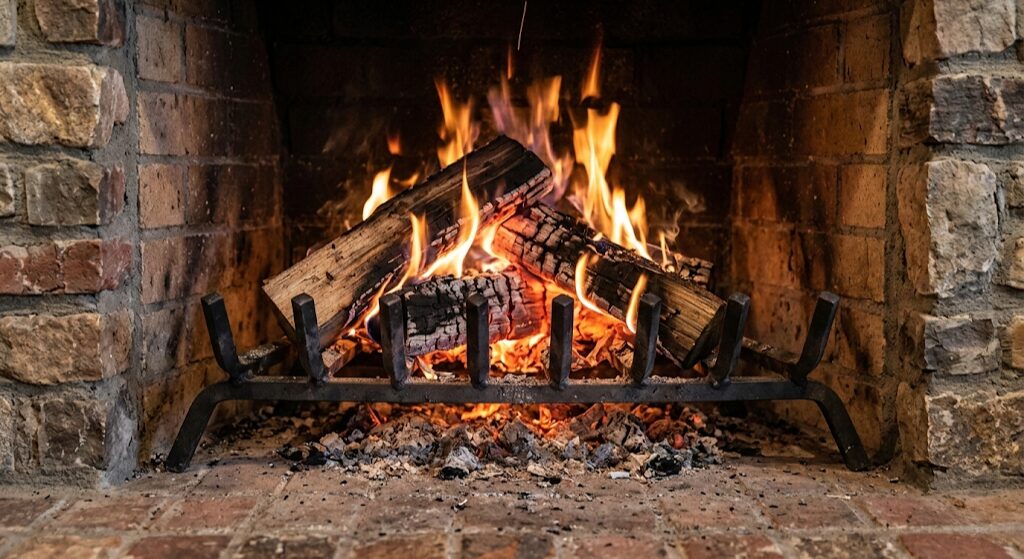
Building a fire directly on the floor of your fireplace might seem like the natural way to do things, but it is incredibly inefficient. A fire needs three things to thrive: heat, fuel, and oxygen. When wood is packed tightly against the masonry floor, the bottom logs are starved of oxygen, resulting in a smoldering, smoky fire that produces very little heat.
The solution is simple: you need one of the best fireplace grates. A grate elevates your firewood, allowing oxygen to be drawn in from underneath to feed the flames. This concept, fundamentally tied to understanding the chimney effect, is crucial for establishing a proper draft. By lifting the fuel, the heat naturally rises, pulling fresh air under the grate to accelerate combustion.
Moreover, an elevated grate protects the floor of your firebox from direct, intense heat, prolonging the life of your masonry. It also makes cleanup significantly easier by allowing ash to fall neatly beneath the logs. Upgrading your grate is a highly recommended first step when diagnosing negative airflow and fireplace draft problems, as proper elevation often cures sluggish smoke exhaust instantly.
In this guide, we have tested and analyzed the market to bring you the five absolute best fireplace grates available today, focusing on material strength, bar spacing, airflow dynamics, and long-term durability.
Top 5 Fireplace Grates at a Glance
Short on time? Here is a quick breakdown of our top-rated fireplace grates based on different hearth needs and wood-burning habits.
- Best Overall: Amagabeli Heavy Duty Steel Grate
- Best Cast Iron: Plow & Hearth Cast Iron Fireplace Grate
- Best Self-Feeding: Grate Wall of Fire High-Efficiency Grate
- Best Durability: SteelFreak Heavy Duty Lifetime Grate
- Best for Small Hearths: Panacea Basket Fireplace Grate
1. Amagabeli Heavy Duty Steel Grate

When you want a grate that balances incredible structural integrity, optimal airflow, and affordability, the Amagabeli Heavy Duty Steel Grate is our undisputed top pick. Forged from thick, solid steel bars, this grate is built to withstand daily use without warping or sagging under the weight of dense oak logs.
What sets this grate apart is its V-shaped basket design. As logs burn and break down, the angled sides naturally push the unburnt wood into the center of the fire, concentrating the heat and ensuring that your fire burns completely down to fine ash. This is especially helpful when utilizing the best firewood types for clean burns, as the grate ensures consistent oxygen flow.
Key Features:
- Material: Thick 3/4-inch solid steel bars
- Design: 7-bar V-shaped profile to keep logs centered
- Clearance: Generous 4-inch leg height for massive under-draft
- Sizes: Available in multiple widths (18″ to 30″)
Pros
- Incredible airflow drastically reduces smoke
- V-shape keeps logs from rolling off the front
- Requires zero assembly; ready out of the box
- Highly affordable for the quality of steel
Cons
- The black finish will eventually burn off with intense use (standard for steel grates)
- Gaps between bars may allow very small coals to fall through prematurely
2. Plow & Hearth Cast Iron Fireplace Grate
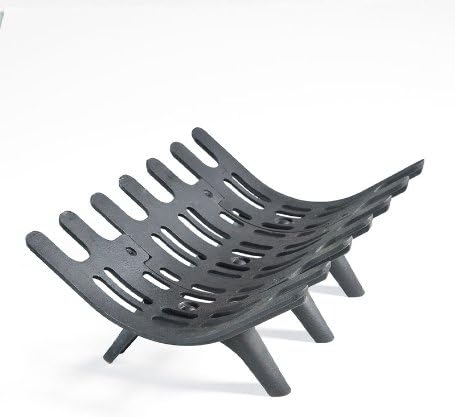
While steel is excellent for durability, many purists prefer cast iron for its heat-retaining properties. The Plow & Hearth Cast Iron Fireplace Grate features a heavy, interlocking design that is perfect for homeowners who burn a mix of wood and coal, or those who want a grate that radiates heat long after the flames have died.
Unlike steel bars, cast iron grates have a more webbed, honeycomb-like surface. This prevents smaller embers and partially burnt logs from falling through to the ash pit too quickly. The result is a hotter, more concentrated bed of coals that is significantly easier to revive with a fresh log.
Key Features:
- Material: Heavy-duty, heat-radiating cast iron
- Design: Tighter grid pattern to hold coal and smaller wood chunks
- Clearance: Slightly lower profile, ideal for shallow fireboxes
Pros
- Holds small embers beautifully, creating a roaring coal bed
- Cast iron retains and radiates heat exceptionally well
- Classic, traditional aesthetic
Cons
- Cast iron is brittle; dropping heavy logs could theoretically crack it
- Lower clearance means slightly less under-draft than tall steel models
3. Grate Wall of Fire High-Efficiency Grate

If you are tired of constantly poking, prodding, and adjusting your fire, the Grate Wall of Fire is a revolutionary piece of hearth equipment. Unlike traditional flat grates, this unit is highly vertical. You stack your logs against the back wall of the grate, and as the bottom logs burn away, gravity pulls the top logs down to replace them.
This design creates a “wall of fire” that aggressively radiates heat outward into your room rather than letting it escape up the chimney. By organizing the logs vertically, it drastically improves combustion efficiency, preventing poor drafts that lead you searching for ways to get rid of fireplace smoke smells in your house. It is an investment, but one that pays for itself in reduced wood consumption.
Key Features:
- Material: Extremely thick industrial steel
- Design: Vertical, self-feeding slope
- Efficiency: Forces heat forward into the room instead of upward
Pros
- Hands-free burning; gravity does the work
- Massive increase in radiant heat output
- Reduces smoke and maximizes wood efficiency
- Incredibly durable construction
Cons
- Premium price point
- Unconventional look might not appeal to traditionalists
4. SteelFreak Heavy Duty Lifetime Grate
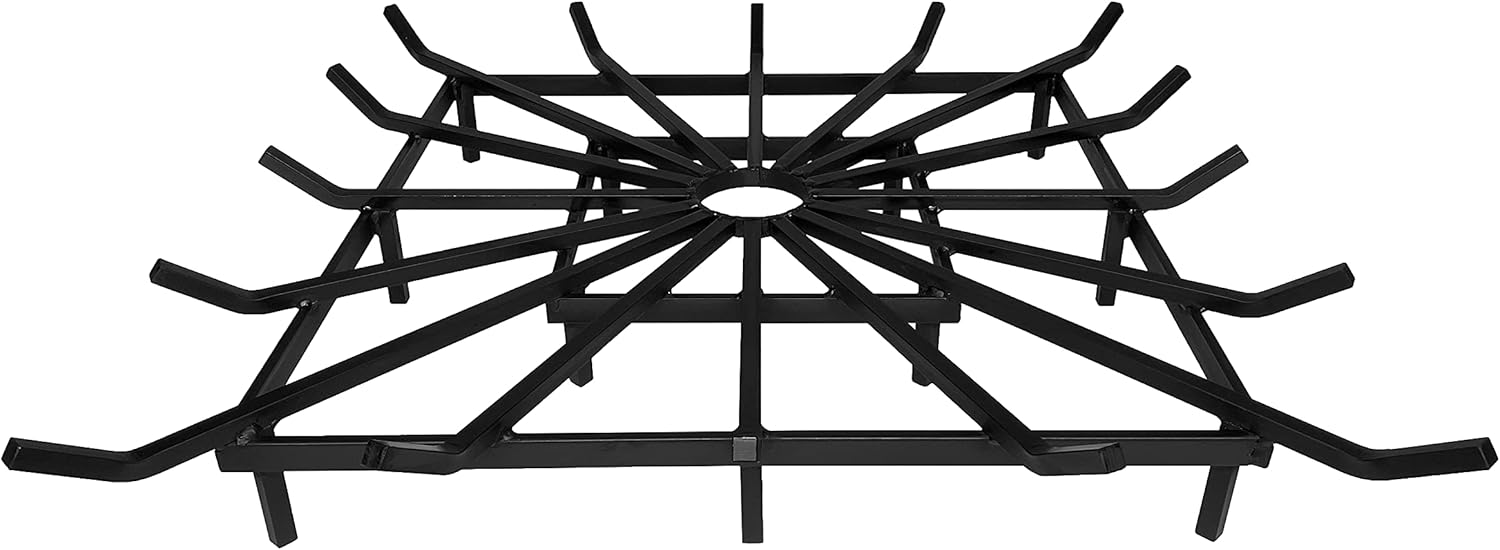
For those who burn fires daily throughout the entire winter, standard big-box store grates will warp and sag within a single season. Enter the SteelFreak Heavy Duty Lifetime Grate. Proudly manufactured in the USA, this grate is over-engineered to withstand the most punishing thermal environments imaginable.
Crafted from massive 1-inch by 1/2-inch steel bars, it is virtually indestructible. The heavy clearance underneath ensures massive oxygen flow, creating raging fires that leave nothing but fine ash behind. If you are tired of replacing your grate every other year, this is the last one you will ever need to buy.
Key Features:
- Material: 1″ x 1/2″ American Steel
- Durability: Highly resistant to warping and sagging under extreme heat
- Clearance: 3.5-inch leg height for excellent draft
Pros
- True heirloom quality; will not warp
- Made in the USA
- Wide, stable base prevents tipping
Cons
- Very heavy, making it slightly cumbersome to remove for deep ash cleaning
- More expensive than standard steel grates
5. Panacea Basket Fireplace Grate

Not all fireplaces are massive masonry caverns. For historic homes, zero-clearance fireplaces, or smaller pre-fab hearths, a massive steel bar grate simply won’t fit. The Panacea Basket Fireplace Grate offers a compact, elegant solution that doesn’t sacrifice performance.
The “basket” design features raised front and back edges, which is crucial for small spaces as it prevents burning logs from rolling out onto your hearth extension. It is relatively lightweight, making it easy to maneuver, and the tighter bar spacing is excellent for burning smaller cuts of wood or manufactured fire logs.
Key Features:
- Design: Basket-style with raised front and back retainers
- Size: Ideal for smaller, shallower fireboxes
- Material: Cast iron / steel blend
Pros
- Keeps logs perfectly contained in tight spaces
- Elegant, traditional look
- Very budget-friendly
- Easy to handle and clean
Cons
- Not suitable for massive, heavy logs
- Thinner metal may warp after several years of intense, daily use
Quick Comparison Table
Use this table to quickly compare the specifications of our top 5 fireplace grates to find the perfect match for your firebox dimensions.
| Grate Model | Best For | Material | Design Type | Leg Clearance |
|---|---|---|---|---|
| Amagabeli Heavy Duty | Overall Performance | Solid Steel Bars | V-Shape Profile | High (~4 inches) |
| Plow & Hearth Cast Iron | Wood & Coal Mixing | Cast Iron | Interlocking Grid | Medium (~3 inches) |
| Grate Wall of Fire | Max Radiant Heat | Industrial Steel | Vertical Self-Feeding | Variable |
| SteelFreak Heavy Duty | Daily, Intense Use | 1″ Steel Bars | Flat / V-Shape Hybrid | Medium (~3.5 inches) |
| Panacea Basket | Small Fireboxes | Steel Blend | Enclosed Basket | Medium (~3 inches) |
The Ultimate Buyer’s Guide: How to Choose the Best Fireplace Grate
Buying a fireplace grate isn’t just about picking the heaviest piece of metal you can find. To get the best fire possible, you need to match the grate to your fireplace size and your burning style.
1. Measuring Your Firebox
The number one mistake homeowners make is buying a grate that is too big. Your grate must have clearance on all sides to allow proper airflow. Here is how to measure:
- Width: Measure the front width of your fireplace, and the back width (most fireboxes taper inward). Your grate should be at least 3 inches narrower than the back wall width.
- Depth: Measure from the front opening to the back wall. Your grate should be centered, leaving a few inches of space in the front and the back.
2. Steel vs. Cast Iron
Steel grates are made from thick, welded bars. They are generally more durable against dropping heavy logs and offer excellent under-draft. Over time, thin steel will warp, but thick steel (like the Amagabeli or SteelFreak) will last for years.
Cast Iron grates usually feature a tighter grid pattern. They are fantastic for retaining heat and holding a deep bed of hot coals. However, they are more brittle; tossing a heavy oak log onto a cold cast iron grate can potentially crack it.
3. Bar Spacing
Look at the gaps between the bars. If the gaps are too wide, your logs will break apart and fall to the ash pit before they are fully burned, resulting in wasted wood. If the gaps are too tight, ash will clog the grate and starve the fire of oxygen. A V-shaped design is optimal as it forces burning wood inward to sustain the fire.
Ready to elevate your fire experience?
Shop All Top-Rated Fireplace Grates on AmazonFrequently Asked Questions (FAQs)
Still not sure which grate is right for you? Here are the most common questions we get regarding fireplace grates.
Conclusion & Final Verdict
Upgrading your fireplace grate is perhaps the most cost-effective way to transform a smoky, frustrating fireplace into a highly efficient home heating feature. By lifting your logs, improving your draft, and protecting your masonry, the best fireplace grates pay for themselves in wood savings and reduced hassle.
If you want the best all-around performer that will handle massive logs and provide incredible airflow, the Amagabeli Heavy Duty Steel Grate is our top recommendation. For traditionalists who want a glowing bed of coals, the Plow & Hearth Cast Iron Grate is a beautiful addition to any hearth. And if you are tired of tending your fire, the innovative Grate Wall of Fire will change how you heat your home entirely.
Take the measurements of your firebox, choose the material that fits your burning style, and get ready for the best fires you’ve ever built.
Ready to Build Better Fires?
Stop struggling with smoky, inefficient fires. Elevate your logs and maximize your heat output today.
Click Here to Browse Top Fireplace Grates on Amazon