
Are Ethanol Fireplaces Safe?
The Ultimate Guide to Bioethanol Fires: Pros, Cons, and Hidden Risks
The allure of a flickering flame is undeniable. It adds warmth, ambiance, and a focal point to any room. However, for many homeowners, the hassle of hauling wood, cleaning soot, and maintaining a chimney makes a traditional fireplace impossible. Enter the bioethanol fireplace—a modern, ventless solution that promises real flames with zero mess.
But with any fire feature, safety is the paramount concern. Are ethanol fireplaces safe? Do they emit toxic fumes? And are they actually capable of heating a room, or are they just for show?
In this comprehensive guide, we strip away the marketing hype to examine the mechanics, safety protocols, and real-world pros and cons of bioethanol fires. Whether you live in a high-rise apartment or a suburban home, this is everything you need to know before buying.
What is a Bioethanol Fireplace?
A bioethanol fireplace uses a specific type of fuel derived from the fermentation of plant by-products like sugarcane, corn, or grain. This fuel is known as bioethanol. Because it is plant-based, it is considered a renewable energy source.
Unlike traditional fireplaces that require a flue to exhaust smoke and carcinogens, bioethanol burns remarkably clean. The only by-products of burning high-quality bioethanol are heat, a small amount of water vapor, and carbon dioxide (comparable to burning a few candles).
How Do They Work?
The mechanism is surprisingly simple, which is part of the appeal. A typical unit consists of:
- The Burner: A stainless steel tray or cup where the fuel is poured.
- The Housing: A non-combustible surround (glass, steel, or stone) that protects the flame.
- The Fuel: Liquid bioethanol.
To operate, you simply pour the fuel into the burner (when it is completely cool) and light it with a long wand lighter. There are no switches, no gas lines, and no electricity required.
Are Ethanol Fireplaces Safe? The Verdict
The short answer is yes, but they require strict adherence to safety protocols.
Because they are “ventless,” they do not require a chimney. However, this means any emissions stay in the room. While they don’t produce smoke or soot, they do consume oxygen and produce carbon dioxide. In a small, unventilated room, this can affect air quality.
Primary Safety Risks:
- Refueling Hot: This is the #1 cause of accidents. Pouring fuel into a hot burner can cause a flash fire or explosion. You MUST wait for the unit to cool down completely (usually 15-20 minutes) before refilling.
- Spills: Bioethanol is highly flammable. Spills must be wiped up immediately before lighting.
- Air Quality: While safer than wood smoke, they should be used in rooms with adequate airflow.

A stunning modern centerpiece that mounts like a TV. It provides a real flame without taking up floor space. Perfect for apartments or modern living rooms where venting isn’t an option.
Check Price on AmazonEthanol Fireplace Pros
Why are homeowners flocking to these units? Here are the distinct advantages:
- No Chimney Required: You can install them anywhere—bedrooms, bathrooms, or basements. This saves thousands on installation costs.
- Clean Burning: No ash, no soot, and no smoke. You won’t need to hire a chimney sweep.
- Aesthetic Appeal: They offer sleek, contemporary designs that traditional hearths can’t match.
- Eco-Friendly: The fuel is renewable and biodegradable.
Bioethanol Fires Disadvantages
It’s not all perfect. Here are the downsides you need to be aware of:
❌ Limited Heat Output
Ethanol fires typically produce between 2,000 to 5,000 BTUs. A wood stove can produce 40,000+. Ethanol is for ambiance and supplemental heat, not primary heating.
❌ Fuel Cost
Bioethanol can be expensive compared to wood or natural gas. Running a fire for 4 hours can cost several dollars in fuel.
❌ Oxygen Consumption
Because there is no vent, the fire uses the oxygen in the room. You need a room with good volume or an open window to maintain fresh air.
❌ Cool Down Time
You cannot simply add a log to keep the fire going. Once the fuel runs out, you have to wait for the unit to cool before refueling.
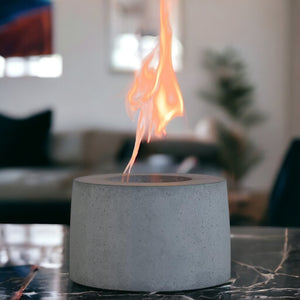
Portable ambiance at its finest. This concrete unit sits on any table (indoors or out) and burns clean ethanol. It’s affordable, stylish, and requires zero installation.
Check PriceInstallation & Maintenance
One of the biggest selling points is the ease of installation. Freestanding units require zero installation—just unbox and place. Wall-mounted units install much like a flat-screen TV using brackets.
Maintenance is minimal. Because there is no soot, you mostly just need to wipe down the burner tray occasionally and clean the glass if it gets smudged. There are no filters to change and no pipes to inspect.
Comparison: Bioethanol vs. The Rest
| Feature | Bioethanol | Wood Burning | Electric |
|---|---|---|---|
| Venting | None | Chimney Required | None |
| Real Flame | Yes | Yes | No (Simulated) |
| Heat Output | Low | High | Medium |
| Installation | Easy | Difficult/Expensive | Easy |
| Maintenance | Low | High | None |

Don’t use cheap fuel. This premium blend is designed for indoor use, ensuring a clean burn without chemical odors. Essential for maintaining air quality in your home.
Check PriceFrequently Asked Questions
Final Verdict: Should You Buy One?
If you are looking for a primary heat source to survive a blizzard, an ethanol fireplace is not for you. However, if you want the visual comfort, romance, and aesthetic of a real dancing flame without the mess, expense, or permanence of a traditional fireplace, bioethanol units are a fantastic, safe choice.
By following simple safety rules—mainly regarding refueling—you can enjoy a modern hearth in any room of your home.