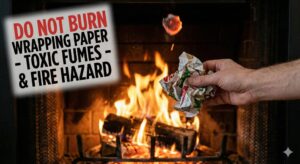
Why Burning Wrapping Paper in Your Fireplace is a Recipe for Disaster
It is a scene that plays out in living rooms across the world every holiday season. The gifts have been opened, the excitement has settled, and the floor is carpeted in a chaotic sea of red, green, and gold paper. With a roaring fire already crackling in the hearth, the temptation is almost overwhelming: “Why not just toss this wrapping paper into the fire?”
It seems like the perfect solution. It cleans up the mess instantly and creates a festive burst of colorful flames. However, this seemingly harmless act of convenience is one of the most dangerous things you can do to your home, your chimney, and your family’s health.
While wood logs burn slowly and predictably, wrapping paper is a volatile fuel source engineered with chemicals, plastics, and metals that were never designed to be incinerated in a residential setting. From launching chimney fires to releasing carcinogenic fumes into your living room, the risks far outweigh the convenience.
In this extensive guide, we will break down the chemistry, physics, and safety hazards of burning wrapping paper, providing you with the knowledge you need to keep your home safe this winter.
1. The Chemical Cocktail: Inks, Dyes, and Foils
Modern wrapping paper is rarely just “paper.” To achieve those glossy finishes, metallic shimmers, and vibrant holiday colors, manufacturers utilize a complex blend of synthetic materials. When you throw a balled-up piece of wrapping paper into the fire, you aren’t just burning cellulose; you are igniting a chemical factory.
The Metallic Foil Problem
Many premium wrapping papers use metallic foils to create a shiny, reflective surface. These foils often contain heavy metals like lead, cadmium, and chromium. When incinerated, these metals don’t disappear. They vaporize into toxic fumes that can enter your home’s airflow, settling on furniture and being inhaled by the occupants.
Inks and Dyes
The deep reds and greens of holiday paper require heavy saturation of pigments. Burning these inks can release dioxins and furans—highly toxic compounds that are known carcinogens. Because wrapping paper burns at a lower temperature than the optimal incineration point for these chemicals, they are often released into the smoke rather than being destroyed by the heat.
If you have a gas fireplace, the situation is even different but equally risky regarding venting. You can read more about gas fireplace venting options to understand how different systems handle exhaust, but standard wood fireplaces are particularly vulnerable to back-drafting these toxic fumes.

First Alert Carbon Monoxide & Smoke Detector
Burning inappropriate materials can release invisible, odorless gases. Ensure your family’s safety with a reliable dual-sensor detector that alerts you to smoke and CO levels instantly.
Check Price on Amazon2. The Physics of Fire: Why Paper Causes Chimney Fires
Wood logs are dense. They contain moisture and mass, which regulates how fast they burn. Wrapping paper, conversely, has a massive surface area relative to its mass. This results in what is known as a “flash fire.”
When you toss paper onto a fire, it ignites almost instantly, creating an intense, rapid spike in temperature. The flames from burning paper can shoot significantly higher up into the chimney flue than wood flames ever would. This is where the danger lies.
Igniting the Creosote
Over time, burning wood leaves a residue called creosote on the lining of your chimney. Creosote is highly flammable. When the long, reaching flames of burning wrapping paper shoot up the flue, they can come into direct contact with these creosote deposits.
Because the fire is so hot and fast, it can ignite the creosote, starting a chimney fire that burns at over 2,000 degrees Fahrenheit. This can crack masonry, melt metal liners, and spread fire to the attic or roof of your home. It is vital to know the chimney fire signs so you can act immediately if this happens.

Chimfex Chimney Fire Extinguisher
If a flash fire from paper ignites your chimney, seconds count. This stick suppresses chimney fires quickly by robbing the fire of oxygen. A must-have for every fireplace owner.
Check Price on Amazon3. Structural Damage to Your Fireplace
Even if you avoid a full-blown chimney fire, the habit of burning paper can cause cumulative damage to the fireplace structure itself. The rapid heating and cooling cycles caused by flash fires put immense stress on the materials.
Warping and Cracking
Metal components, such as the damper, flue liner, and smoke shelf, can warp under the intense, sudden heat generated by a large amount of burning paper. Masonry is also at risk; the thermal shock can cause flue tiles to crack. Once a flue tile is cracked, heat can transfer to the combustible wood framing of your house behind the chimney.
This type of damage is often invisible until it is too late. Regular maintenance is key to spotting these issues. If you are unsure about the state of your flue, read our guide on how often should you clean a chimney to prevent dangerous buildup.
4. The Danger of Flying Embers
Paper is lightweight. As it burns, the hot air rising up the chimney creates a strong updraft. This updraft is often strong enough to lift the burning fragments of paper—known as brands or embers—right up the flue.
These floating, burning pieces of paper can do two things:
- Exit the Chimney: If you do not have a proper chimney cap with a spark arrestor, these burning embers can land on your roof (especially dangerous if you have wood shingles) or on dry leaves in your gutters, starting a house fire from the outside in.
- Float into the Room: Sometimes, the draft can reverse, or the turbulence can push these lightweight embers back out into your living room, landing on rugs, carpets, or discarded piles of unburned wrapping paper.
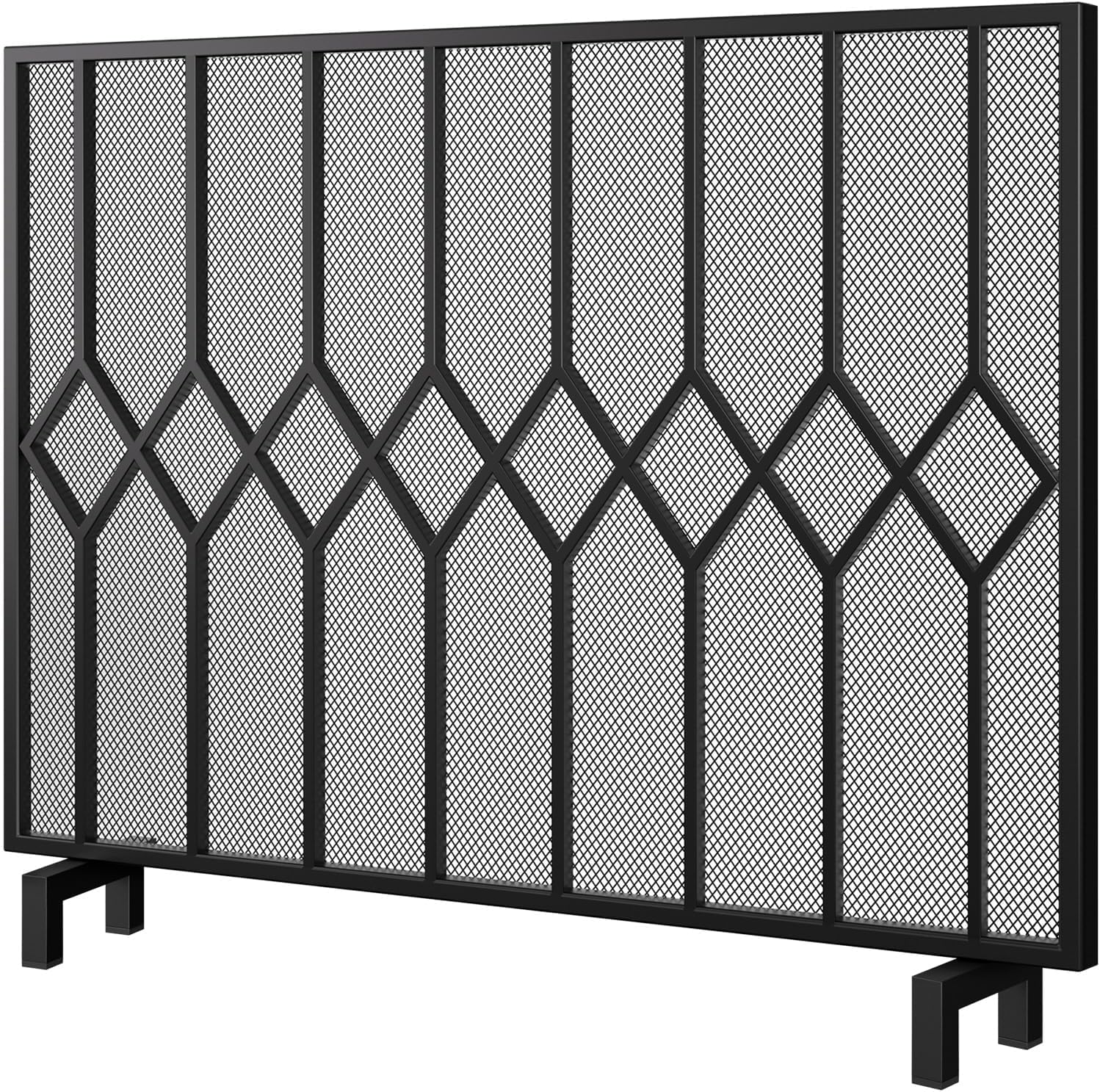
Amagabeli Gold Fireplace Screen
Prevent floating embers and popping sparks from entering your living room. A sturdy, fine-mesh screen is the first line of defense against accidental carpet burns.
Check Price on Amazon5. Environmental Impact and Outdoor Air Quality
We often think of the fireplace as a closed loop, but whatever goes up the chimney comes down somewhere else. The smoke generated by burning glossy, dyed, and metallic paper is thick, dark, and filled with particulate matter.
This smoke contributes to local air pollution. In many municipalities, burning trash (and wrapping paper is classified as trash) is illegal due to the release of toxins. By burning it, you are releasing microplastics and heavy metals into the air of your neighborhood.
Safe Alternatives: Disposal and Recycling
Now that we have established that the fireplace is off-limits, what should you do with the mountain of holiday waste?
- Recycle (The Test): Not all wrapping paper is recyclable. Try the “scrunch test.” Scrunch the paper into a ball. If it stays scrunched, it is likely paper-based and can be recycled. If it springs back, it contains plastic and must be trashed. Note: Glittery and metallic paper is almost never recyclable.
- Reuse: Carefully remove tape and save larger pieces of paper for next year. This is the most eco-friendly option.
- Compost: Plain brown kraft paper (often used for rustic wrapping) can be shredded and composted.
- Trash: If it has foil or glitter, the trash bin is the only safe place for it. Do not feel guilty; burning it is far worse for the environment than landfilling it.
Other Items You Should Never Burn
Wrapping paper isn’t the only culprit. Homeowners often view their fireplace as an incinerator, but it is designed specifically for seasoned firewood. To protect your home, you must avoid burning materials that burn too hot, release toxins, or cause creosote buildup.
You should strictly avoid burning:
- Cardboard: Like wrapping paper, it burns too fast and contains glues that can release chemicals.
- Magazines/Junk Mail: The glossy inks are full of pigments that release toxic fumes.
- Christmas Trees: The needles are full of resin (sap) that burns explosively hot and pops, while the wood is unseasoned and creates immense creosote.
- Treated Wood: Lumber that has been pressure-treated or painted contains dangerous chemicals like arsenic.
For a complete list of safe fuels, refer to our guide on what wood not to burn in a fireplace.

Panacea Ash Bucket with Shovel
Cleaning up after a fire requires the right tools. Never put hot ashes in a plastic bag or bin. Use a dedicated metal ash bucket to safely transport debris outside.
Check Price on Amazon